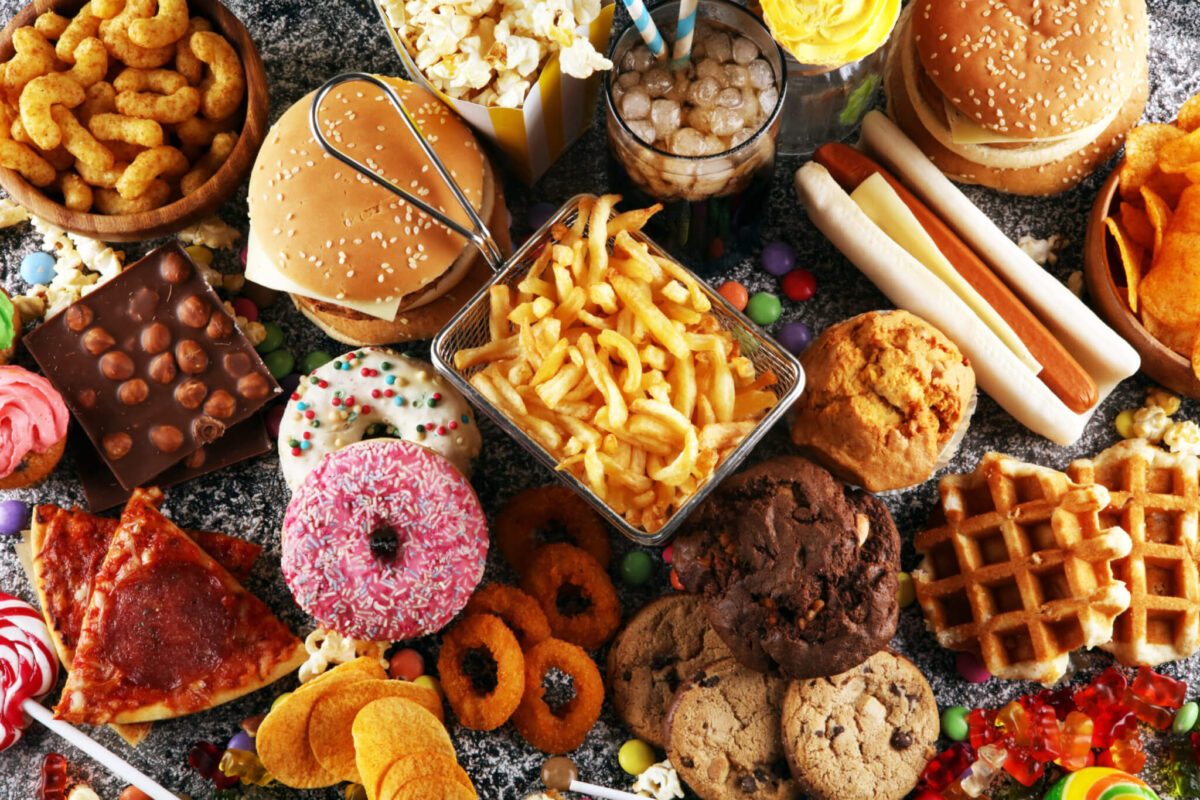
(© beats_ - stock.adobe.com)
PHILADELPHIA — Craving sugar and fat at the same time presents a “one-two punch” that makes dieting challenging, new research reveals. A team from the Monell Chemical Senses Center investigating the brain’s reward systems have discovered new brain-gut circuits for sugar and fat, which can trigger cravings for unhealthy foods without our awareness.
The scientists suggest that the combined cravings for sugar and fat activate a compelling desire to overeat. This discovery sheds light on why fats and sugars are particularly alluring, raising hopes for more effective dieting strategies.
Although we understand food’s powerful influences on our choices, the precise brain circuitry behind this has remained a mystery. It’s known that the vagus nerve conveys internal sensory information from the gut to the brain about the nutritional value of food, but the molecular basis of the brain’s reward response to what we eat has not been fully understood.
The study reveals distinct fat and sugar-craving pathways in the brain. It also highlights the concerning reality that the combination of these pathways excessively triggers our desire to eat more than usual.
“It’s like a one-two punch to the brain’s reward system. Even if the total calories consumed in sugar and fats stays the same, combining fats and sugars leads to significantly more dopamine release and, ultimately, overeating in the mice,” says Dr. Guillaume de Lartigue, a lead author from the Monell Chemical Senses Center, in a media release.
The researchers emphasize that although food is a powerful reinforcer, the specific appeal of fats and sugars has been a puzzle.
“We’ve now identified nerve cells in the gut rather than taste cells in the mouth are a key driver. We found that distinct gut-brain pathways are recruited by fats and sugars, explaining why that donut can be so irresistible,” Dr. de Lartigue adds.
The research provides insights into “motivated” eating behavior, suggesting a subconscious internal desire for a diet high in both fats and sugar can undermine efforts to maintain a healthy weight.
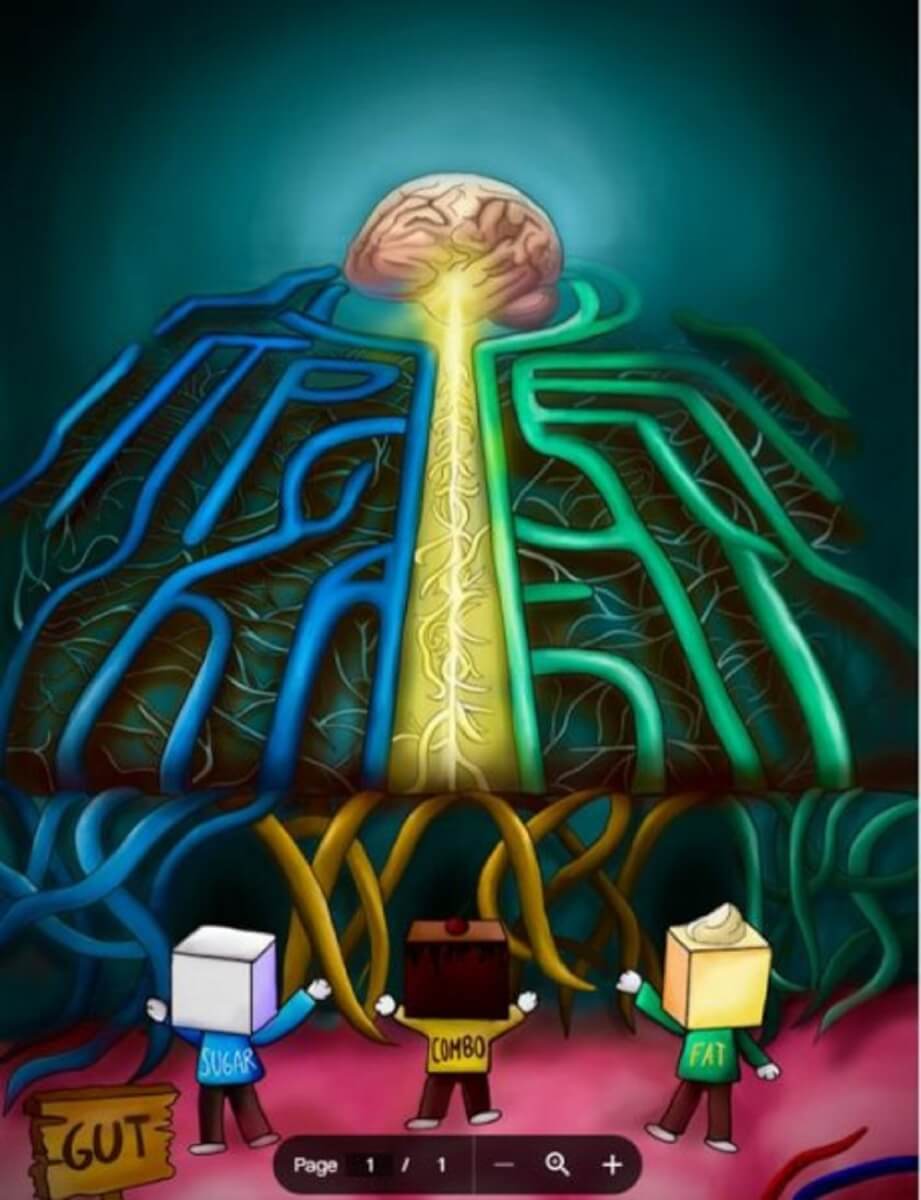
The researchers manipulated fat or sugar neurons in the vagus nerve systems of mice, demonstrating that both types cause dopamine release in the brain’s reward centers. They identified two dedicated vagus nerve pathways: one for fats and another for sugars, which convey information about food consumption to the brain and stimulate cravings.
By stimulating gut vagal nerves with light, the team induced mice to actively seek food, revealing that sugar and fat are sensed by separate neurons of the vagus nerve and engage distinct reward circuits to control nutrient-specific reinforcement. Activating both the fat and sugar circuits simultaneously created a strong craving synergy, leading the mice to overeat. This finding illuminates why dieting is often difficult: our brains are subtly wired to seek out high-fat, high-sugar combinations.
“The communication between our gut and brain happens below the level of consciousness. We may be craving these types of food without even realizing it,” says Dr. de Lartigue.
The team hopes their research can be used in the future to develop anti-obesity strategies and treatments, making dieting easier by altering gut-brain reward circuits to reduce unhealthy eating habits.
“Understanding the wiring diagram of our innate motivation to consume fats and sugars is the first step towards rewiring it,” Dr. de Lartigue concludes. “This research unlocks exciting possibilities for personalized interventions that could help people make healthier choices, even when faced with tempting treats.”
The study is published in the journal Cell Metabolism.
South West News Service writer James Gamble contributed to this report.


