
Rescue French bulldog and pug snoozing in basket (Credit: Katy Price)
BUDAPEST, Hungary — Flat-faced dogs like French Bulldogs are all the rage with pet owners, despite the fact these breeds face some serious health challenges. They often experience breathing difficulties, eye problems, and require C-sections for delivery in over 80 percent of cases. Due to their health issues, flat-faced dogs tend to have a shorter lifespan compared to other breeds of similar size. For instance, French Bulldogs have an average life expectancy of just four-and-a-half years. Researchers in Hungary set out to understand this paradox and discovered that while owners of flat-faced dogs are aware of their health issues and strive to provide the best care, they tend to normalize these problems.
Researchers at Eötvös Loránd University conducted an online survey involving 25 pairs of dog photos. The respondents were asked to indicate their personality traits, their preference for flat-faced dogs, and their awareness of the breed’s health problems. The survey included a total of 1,156 participants. Surprisingly, the study found that those who had a positive attitude towards flat-faced breeds randomly selected the dog images, indicating that the inclination of these dogs to make eye contact did not play a significant role in their popularity.
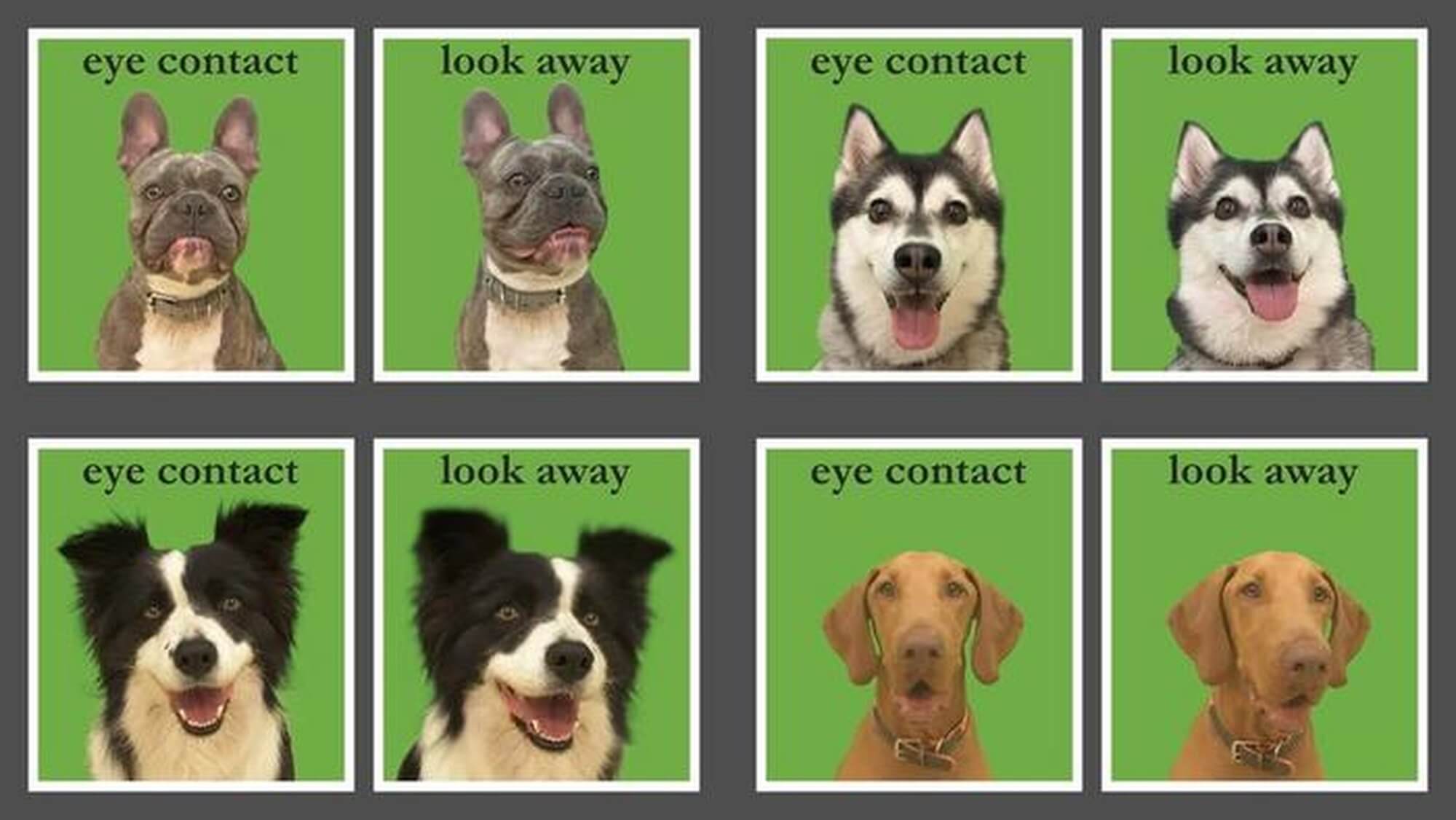
However, individuals who preferred photos of dogs looking directly into the camera tended to be sociable, friendly, and empathetic towards others. This suggests that the ability of flat-faced dogs to establish eye contact may appeal to people with specific personality traits.
“We expected that one of the main attractiveness of flat-faced dogs lies in their large eyes and that their owners would be delighted when the dogs look at them,” says Eniko Kubinyi, head of the MTA-ELTE “Momentum” Companion Animal Research Group at ELTE, in a media release.
“However, we did not find this to be true, at least not from the photographs. It is also not true that enthusiasts of flat-faced breeds are unaware of the dogs’ health problems or are insensitive to their emotions. On the other hand, it has been revealed that they are relatively inexperienced dog owners. Thus, it is most likely that they are unaware of the dogs’ communication signals, may not necessarily recognize signs of pain, and likely consider health problems as normal breed characteristics.”
Interestingly, the study also revealed that enthusiasts of flat-faced dogs were highly aware of the breed’s health issues. Nearly all respondents associated flat-faced breeds with breathing difficulties, a significant majority recognized the risk of dystocia (difficult childbirth), and over 60 percent were aware of the potential for corneal ulceration. These health problems were widely acknowledged by the public.

Enthusiasts of flat-faced dogs tended to be younger, less educated and had no professional experience with dogs compared to those who were neutral or disliked these breeds. The enthusiasts were also more likely to be women and have children. Additionally, they displayed higher emotional empathy, indicating a greater capacity to understand and feel the suffering of others.
Contrary to expectations, the study found that the attractiveness of flat-faced dogs did not primarily lie in their large eyes or their tendency to make eye contact. Instead, enthusiasts seemed to be relatively inexperienced dog owners who might not recognize the dogs’ communication signals or interpret signs of pain. They may view the dogs’ health problems as normal breed characteristics rather than cause for concern.
The results indicate that despite being aware of the health problems associated with flat-faced breeds, enthusiasts continue to love and support these dogs. This suggests that existing awareness campaigns focusing solely on listing health issues may not be effective in discouraging people from choosing these breeds. Instead, the emphasis should be on highlighting that these health problems are not normal or acceptable characteristics and can cause pain and suffering for the dogs. It is crucial to educate dog owners about the impact of their choices on the overall health and well-being of dog breeds.
The study is published in the journal Applied Animal Behaviour Science.


