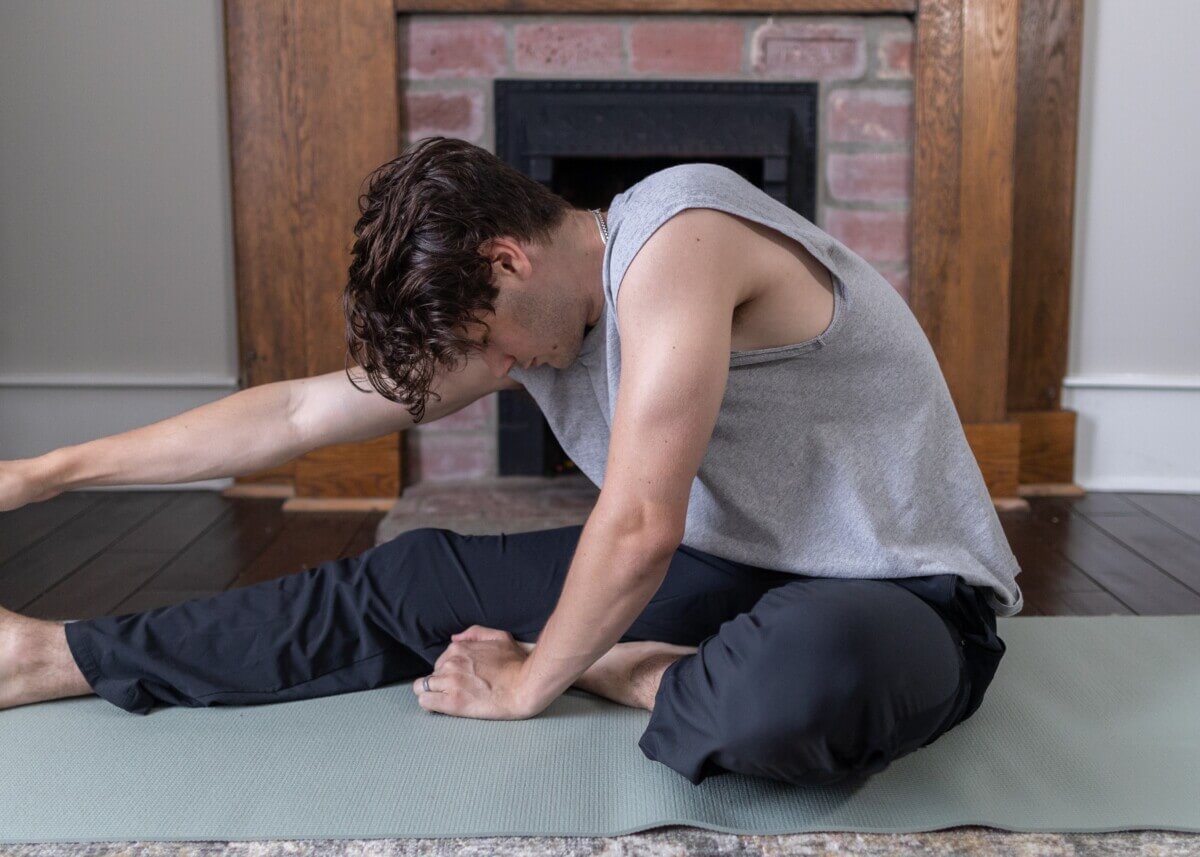
(Photo by Unsplash+ in collaboration with Blake Cheek)
Short, Gentle Workouts May Ease Pain Better Than Hard Ones
In A Nutshell
- A review of 157 studies covering 2,736 trials and 221,279 people found exercise significantly eases both short-term and chronic pain.
- Shorter programs (under 12 weeks) and gentler activities like tai chi and yoga outperformed longer, harder routines.
- Researchers say the effect rivals relief reported in separate medication trials, though no specific drugs were named or directly tested.
- Nearly every exercise type helped, from aerobic and resistance training to Pilates and dance.
Reaching for a pill can feel like the only option when pain flares up, whether it’s an aching knee or a pounding migraine. A sweeping new analysis out of Adelaide University suggests movement might work just as well, sometimes better, and without the side effects that come with medication.
Researchers pooled data from 157 systematic reviews, covering 2,736 randomized controlled trials and 221,279 participants, and found that exercise produced significant pain reductions across acute and chronic conditions, including musculoskeletal, neurological, inflammatory and cancer-related pain. In trials that used a standard 0-to-10 pain scale, exercise eased pain by about 1.1 points on average, a reduction the research team says is roughly 60 percent larger than the average relief reported in separate trials of common pain medications, though the comparison did not involve a head-to-head test and the researchers did not name specific drugs.
Shorter and gentler routines did the most good. Programs lasting less than 12 weeks and lower-intensity activities such as tai chi and yoga outperformed longer, harder regimens, running counter to the usual assumption that more exercise means more benefit.
Researchers Pooled Data From 220,000 Patients Across 157 Reviews
To reach that conclusion, the team conducted an umbrella review, a study of studies, searching 11 major research databases from inception through August 2024 for systematic reviews and meta-analyses of randomized controlled trials. The work was published in the journal PAIN Reports.
Out of nearly 5,700 results, 157 reviews met the bar for inclusion, each required to compare exercise against a control, such as usual care or stretching, and measure pain on a standard scale. Participants’ average ages ranged from 20 to 79, and the conditions covered included knee arthritis, low back pain, fibromyalgia, cancer, chronic muscle and joint pain, migraines and type 2 diabetes.
Lead researcher Dr Ben Singh, of Adelaide University, explained why movement seems to dull pain in the first place. “When we exercise, our body releases chemicals including endorphins and serotonin that can help reduce how strongly we feel pain and increase our pain tolerance,” Singh said. “Additionally, it helps calm inflammation and change the way our brain responds to pain, while also improving mood.”
“Yet despite the evidence, it isn’t used as routinely as it could be and is rarely prescribed with the same precision as medication,” Singh said. “Instead, people experiencing pain may be told to ‘stay active,’ rather than being given a specific, evidence-based exercise program that considers what type of exercise to do, how hard to work and for how long.”
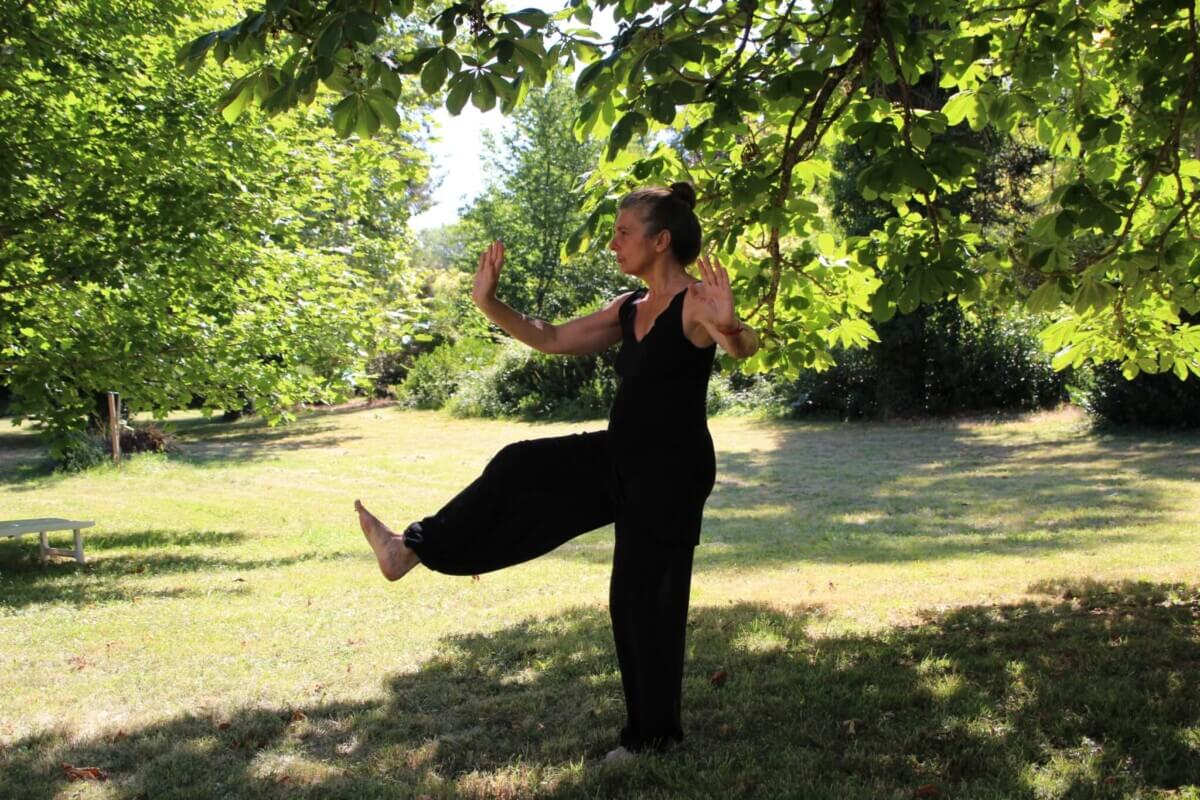
Nearly Every Type of Exercise Eased Pain, Some More Than Others
“Our study found that exercise was associated with substantial reductions in acute and chronic pain across all forms of exercise – whether that be via aerobic or resistance exercise, or through gentler movement such as yoga, Pilates or tai chi,” Singh said. Nearly every category tested showed meaningful relief, and Pilates and tai chi stood out as particularly effective.
Dance showed the single largest reduction, though that result came from just one review focused on fibromyalgia patients, so it shouldn’t be treated as a broad conclusion. The biggest reductions by condition turned up for menstrual pain, migraines and pain in postmenopausal women, though those numbers also came from single reviews rather than being confirmed across multiple analyses.
Less Time and Effort Delivered More Pain Relief
Programs under 12 weeks, low-intensity activities, and routines totaling less than 120 minutes a week were all linked with bigger pain reductions than their longer, harder or more time-consuming counterparts, though the weekly-duration estimate carried a wide margin of error. There was no real difference between exercising once or twice a week versus three or more times, or between shorter and longer individual sessions.
Researchers don’t think this means exercise stops working over time. More likely, people stick with shorter, easier programs better than longer ones, while structured support fades once trials end. The review couldn’t confirm that explanation, since it lacked detailed adherence and long-term follow-up data. Overall, the certainty of the evidence was rated as moderate, a rating that held even though many individual reviews scored low in quality and even after accounting for the chance that some studies with disappointing results were never published.
Exercise Offers a Low-Risk Path to Pain Relief
The research team, including senior researcher Professor Carol Maher of Adelaide University, said the findings should encourage clinicians to make exercise a core part of multimodal pain care. “Health care providers need definitive guidance, not just whether exercise helps, but which exercises work for which patients, and how to prescribe them effectively,” Singh said. “These findings should provide clinicians with considerable flexibility and increased confidence to prescribe exercise as a core, scalable component of pain management across diverse conditions.”
Exercise isn’t a cure-all, and the review stops short of proving that easier workouts beat harder ones. But at a moment when chronic pain affects one in five adults worldwide and reliance on medication carries real risks, the findings suggest a modest, manageable routine deserves as much consideration as a demanding one. “At a time when we’re looking for safe and effective ways to manage pain beyond medication, these findings provide strong evidence for making exercise a more routine part of pain care,” Singh said.
Disclaimer: This article summarizes findings from a peer-reviewed study and a university press release for general informational purposes only. It is not medical advice, and it should not be used to start, stop, or change any exercise or treatment plan. Anyone managing pain, especially due to an existing health condition, should talk with a qualified healthcare provider before making changes.
Paper Notes
Limitations
The study authors note several important caveats. Because included reviews used different pain measurement tools, such as visual pain scales versus broader quality-of-life questionnaires, direct comparisons between studies were sometimes difficult. The analysis also could not break pain down into more specific subtypes beyond broad acute versus chronic categories. Many original studies lacked long-term follow-up, so it remains unclear how long the benefits of exercise last after a program ends. Studies also varied in how they tracked whether participants actually stuck with their exercise routines, making it hard to pin down the ideal level of adherence. Additionally, because this is an umbrella review, quality was assessed at the level of the systematic reviews included rather than the original individual trials, a recognized limitation of this type of research design. Some of the most notable findings, including those for menstrual pain, migraines, and pain in postmenopausal women, were based on single reviews rather than being confirmed by multiple independent analyses, so the authors urge caution in over-interpreting those specific numbers.
Funding and Disclosures
The authors reported no conflicts of interest. The project received no specific funding. One author is supported by a Medical Research Future Fund Emerging Leader Grant. Another is supported by an Australian Research Council Discovery Early Career Award and by a research center funded by Australia’s National Health and Medical Research Council. A third author is supported by that same research center’s funding. The remaining authors received no additional funding.
Publication Details
Title: “The effect of exercise on clinical pain: a systematic umbrella review and meta-meta-analysis.” Authors: Ben Singh, Aaron Miatke, Dot Dumuid, Rachel Curtis, Kimberley Szeto, Kylie Dankiw, Emily Eglitis, Jasmine Petersen, Mason Zhou, Catherine Simpson, Lisa Matricciani, Felicity Braithwaite, Tasha Stanton, and Carol Maher. Published in PAIN Reports, 2026, volume 11, article e1455. DOI: 10.1097/PR9.0000000000001455. The study was preregistered on PROSPERO (ID: CRD42024566338) and reported in accordance with PRISMA guidelines.


