
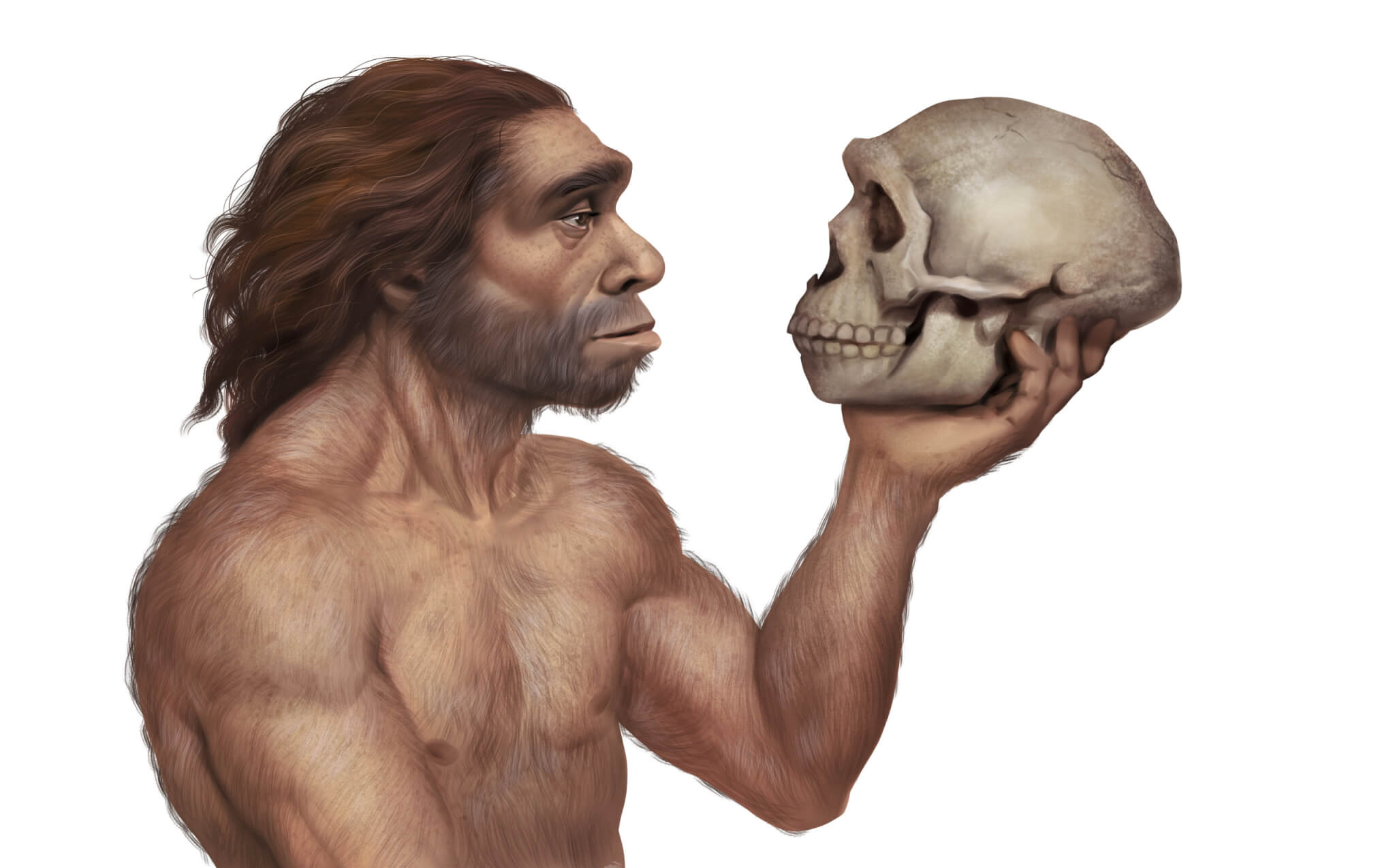
Human evolution (© adrenalinapura - stock.adobe.com)
NOTTINGHAM, United Kingdom — In a paradigm-shifting discovery, researchers from the United Kingdom have found that evolution may not be as unpredictable as once believed. The study suggests that the future path of evolution could be influenced by a species’ genetic history, challenging the long-held view that evolution is shaped by a myriad of factors and historical coincidences.
University of Nottingham scientists conducted a comprehensive analysis of the “pangenome” — the complete set of genes within a species. Their objective was to determine whether evolution is indeed predictable or if genomic evolution paths are solely dependent on historical contingencies.
The team employed a machine learning technique known as “Random Forest” and processed data from 2,500 complete genomes of a single bacterial species, utilizing several hundred thousand hours of computer processing. By categorizing the genes into “gene families,” researchers could compare genes across different genomes.
“The implications of this research are nothing short of revolutionary,” says study lead author James McInerney, professor at the School of Life Sciences at the University of Nottingham, in a university release. “By demonstrating that evolution is not as random as we once thought, we’ve opened the door to an array of possibilities in synthetic biology, medicine, and environmental science.”
Study author Dr. Maria Rosa Domingo-Sananes, from Nottingham Trent University, explained that they analyzed the presence and absence patterns of these gene families across various genomes.
“We found that some gene families never turned up in a genome when a particular other gene family was already there, and on other occasions, some genes were very much dependent on a different gene family being present,” Dr. Domingo-Sananes adds.
This intricate web of interactions among genes, akin to an invisible ecosystem, lends a degree of predictability to evolutionary processes.
The research team’s findings have significant implications across multiple fields:
- Novel Genome Design: This study provides a framework for designing synthetic genomes, aiding in the predictable manipulation of genetic material.
- Combatting Antibiotic Resistance: Understanding the interdependencies among genes could illuminate the ‘supporting’ genes behind antibiotic resistance, leading to more targeted treatments.
- Climate Change Mitigation: Insights from this research could guide the development of microorganisms engineered for carbon capture or pollutant degradation, contributing to climate change efforts.
- Medical Applications: The newfound predictability in gene interactions could revolutionize personalized medicine by offering new ways to assess disease risk and treatment effectiveness.
“From this work, we can begin to explore which genes ‘support’ an antibiotic resistance gene, for example. Therefore, if we are trying to eliminate antibiotic resistance, we can target not just the focal gene, but we can also target its supporting genes,” says study author Dr. Alan Beavan, from the School of Life Sciences at the University of Nottingham.
“We can use this approach to synthesize new kinds of genetic constructs that could be used to develop new drugs or vaccines. Knowing what we now know has opened the door to a whole host of other discoveries.”

This study marks a significant leap in our understanding of evolutionary processes, offering a new lens through which scientists can tackle some of the most pressing real-world issues, from antibiotic resistance and disease treatment to mitigating the impacts of climate change.
The study is published in the journal Proceedings of the National Academy of Sciences.


