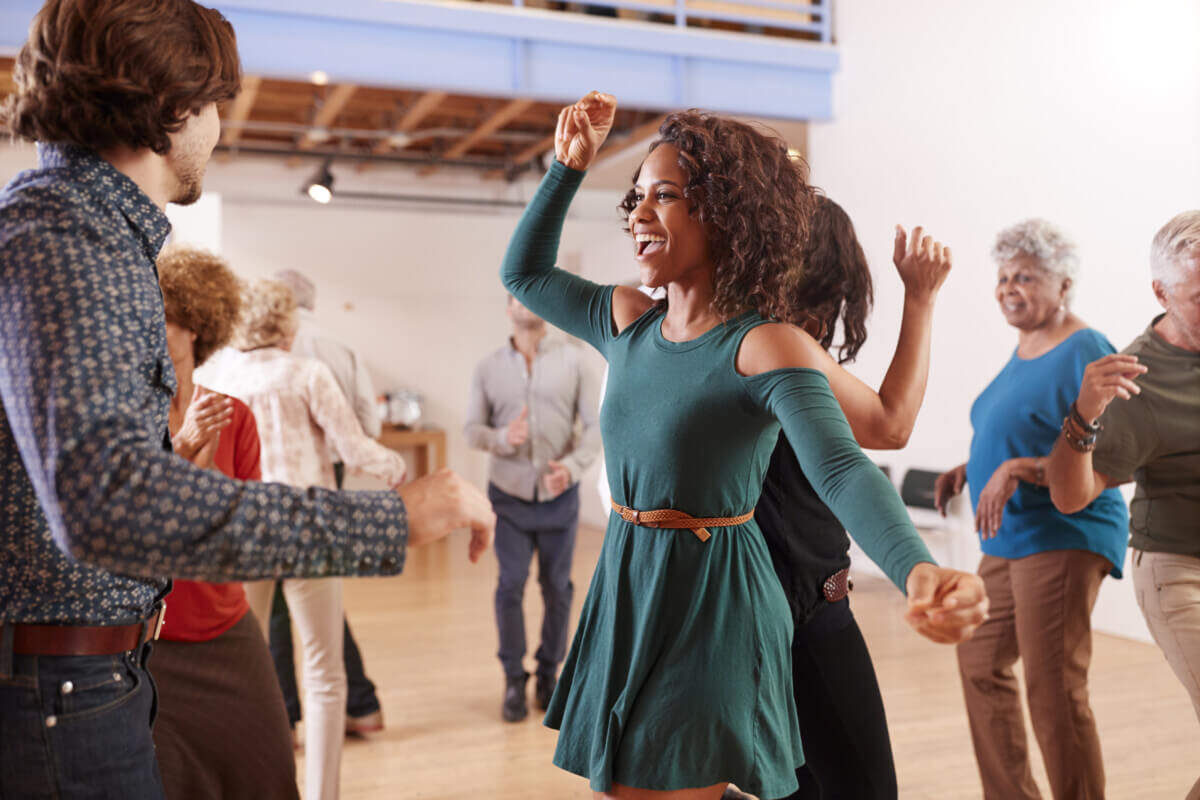
Dance classes offer multiple physical and mental health benefits to students. (© Monkey Business - stock.adobe.com)
In A Nutshell
- Arts programs like dance, theater, and gardening improve health across physical, emotional, and social levels at once.
- One program can strengthen fitness, mental health, cultural identity, and community advocacy together.
- Culturally grounded initiatives reach further by honoring traditions and addressing systemic barriers.
- Researchers found 95 studies showing arts participation as an efficient, preventive health strategy.
GAINESVILLE, Fla. — Community dance programs often deliver unexpected benefits beyond learning new moves. Participants frequently experience improved physical fitness, better mental health, stronger cultural connections, and increased community engagement. These multiple outcomes from single arts programs like dance represent a growing trend in health promotion happening in community centers worldwide.
By analyzing 95 studies involving 233,718 people across 27 countries, researchers at the University of Florida discovered that arts programs deliver something traditional healthcare rarely achieves: simultaneous solutions to multiple health problems. Creative activities tackle physical fitness, mental health, social isolation, and systemic health barriers all at once.
The research documented this pattern repeatedly across different art forms and communities. Theater programs addressing diabetes prevention also reduced social isolation and health-related stigma. Community choirs improved lung function while building social support and cultural pride. Visual arts workshops increased physical dexterity while providing emotional outlets and community connection.
“The arts offer a multimodal approach capable of producing multiple and multidimensional outcomes,” the researchers write in their Nature Medicine paper. While targeting one health goal like increased physical activity through dance, programs simultaneously accomplished others, including social connection and mental well-being.
Arts Programs Target Multiple Health Issues Simultaneously
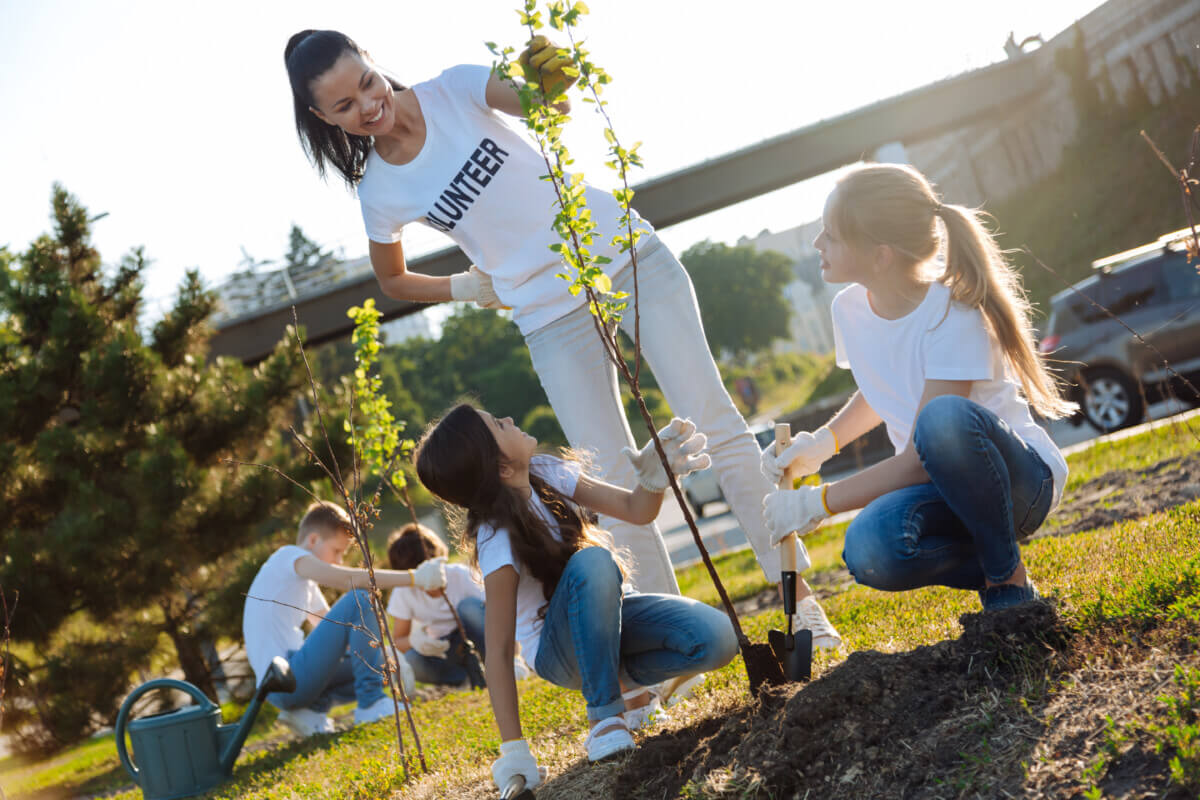
Consider how a single community gardening program operated on four distinct health levels:
Individual Level: Studies showed participants increased their daily vegetable intake and got regular physical activity through planting, weeding, and harvesting.
Social Level: Gardens created lasting friendships and support networks, with participants checking on each other’s health and sharing resources.
Community Level: Gardens became organizing hubs where residents advocated for better food policies and safer neighborhood conditions.
Systemic Level: Programs helped document food deserts and pushed city officials to address underlying causes of poor nutrition access.
Traditional health interventions typically target just one level. A nutrition class might teach better eating habits but ignore whether healthy food is available or affordable. A gym membership addresses physical fitness but not social isolation or community empowerment. Arts programs, the research shows, naturally operate across all levels simultaneously.
Dr. Jill Sonke from the University of Florida’s Center for Arts in Medicine, who led the international research team, found this multi-dimensional approach particularly effective for communities hit hardest by chronic disease. “Arts participation was found to enable simultaneous individual-level and group-level impacts,” the study notes.
Healthcare Systems Need This Efficiency
Type 2 diabetes affects 537 million adults worldwide. Heart disease remains the leading cause of death globally. Depression impacts 280 million people. Current approaches treat these conditions separately, often after they’ve already developed.
Studies documented diverse programs worldwide. In rural Australia, a traveling art exhibition addressing mental health reached communities where accessing treatment required traveling hundreds of miles. The program simultaneously reduced stigma, connected people to resources, built community solidarity, and provided cultural enrichment.
Research showed urban gardening programs in multiple U.S. cities improved participants’ diets, created social networks, provided physical activity, and became organizing tools for food policy advocacy. Participants didn’t just eat more vegetables, they transformed their neighborhoods’ food landscapes.
Dance programs for older adults addressed multiple health threats simultaneously: cardiovascular fitness (through physical activity), social connection (through group participation), and cognitive engagement (through learning new movements and music).
Youth poetry programs about health issues increased participants’ knowledge about disease prevention, provided emotional outlets for stress and trauma, built peer support networks, and motivated civic engagement around health policy issues.
“While targeting one outcome, such as increased physical activity through dance, interventions may simultaneously accomplish others, such as social connection and mental well-being,” the researchers observed.
The Science Behind Multi-Level Health Benefits
The study analyzed exactly how arts programs achieve these multiplied benefits. The key lies in what researchers call the “multimodal nature” of creative activities.
Physical Engagement: Dance classes provide cardiovascular exercise. Gardening builds strength and flexibility. Theater rehearsals improve balance and coordination. Visual arts enhance fine motor skills.
Cognitive Stimulation: Learning new songs exercises memory. Solving creative problems builds mental flexibility. Following choreography improves focus and attention.
Emotional Expression: Creative activities provide healthy outlets for stress, trauma, and difficult emotions that often drive unhealthy coping behaviors like overeating or substance use.
Social Connection: Group creative activities naturally build relationships and support networks that protect against depression, isolation, and health-damaging behaviors.
Cultural Affirmation: Programs that honor participants’ backgrounds build identity and pride, which correlate with better health decisions and healthcare engagement.
The researchers found that successful programs didn’t just happen to address multiple areas; rather, they were intentionally designed to maximize these connections. A Native American program combined traditional drumming and dancing with diabetes education, simultaneously addressing physical fitness, cultural connection, historical trauma, and specific disease prevention.

Cost-Effective Community Health Strategy
The multi-level approach offers significant economic advantages for resource-strapped communities and health systems. Instead of funding separate programs for physical fitness, mental health support, nutrition education, and community organizing, one arts program can address all these areas.
Furthermore, the preventive nature of these programs may reduce future healthcare costs. By addressing root causes of chronic disease (social isolation, stress, poor nutrition, physical inactivity), arts programs could prevent expensive medical complications down the road.
Cultural Benefits Of Arts Programs
Study authors show that programs incorporating participants’ cultural backgrounds achieved even greater multi-level impacts. When interventions honored people’s languages, traditions, and values, they simultaneously addressed health behaviors and cultural identity. It’s a combination that’s particularly effective for communities affected by discrimination or historical trauma.
For example, a radio soap opera program for Hispanic immigrants wove diabetes prevention messages into culturally familiar storytelling formats. The program improved nutrition knowledge, increased healthcare utilization, strengthened cultural connections, and built community networks around health advocacy.
These culturally grounded approaches succeeded where generic health programs often fail by addressing multiple forms of marginalization simultaneously. Participants both learned about health and they reconnected with cultural strengths while building tools for navigating discriminatory systems.
Most importantly, they recognize that health happens in the context of community, culture, and systemic conditions. By addressing all these levels simultaneously, arts programs achieve what fragmented health interventions cannot: prevention that participants actually want to continue.
The study shows the future of disease prevention lies not in more specialized programs but in approaches sophisticated enough to address the interconnected nature of health itself. Arts programs, with their natural ability to engage multiple levels simultaneously, offer a model for this more efficient and effective approach.
Paper Summary
Methodology
This mixed-methods systematic review analyzed 95 studies published between 1992 and 2024, involving 233,718 participants across 27 countries. Researchers searched 15 databases using terms related to arts participation, noncommunicable diseases, and health promotion. Studies included randomized controlled trials, quasi-experimental designs, qualitative research, and mixed-methods approaches. Two independent reviewers screened articles and assessed quality using standardized tools designed for diverse study types.
Results
Most programs addressed physical inactivity (22 studies), unhealthy diets (38 studies), mental well-being (33 studies), and systemic/structural/social health drivers (114 studies). Seventy-one studies reported favorable quantitative outcomes, particularly for fruit/vegetable intake, BMI, and mental health measures. Twenty-two studies included physical measurements like BMI and blood pressure. Qualitative analysis identified themes around community collaboration, cultural relevance, and addressing health equity through systemic change.
Limitations
The review included predominantly studies from wealthy countries (U.S., U.K., Australia), limiting global applicability. Intervention diversity made it difficult to identify specific effective components. Many studies had short follow-up periods, preventing assessment of long-term impacts. Quality varied significantly across studies, and some lacked rigorous design elements like control groups or validated outcome measures.
Funding and Disclosures
The study was supported by the State of Florida Division of Arts and Culture and a subaward from New York University. One author serves as principal investigator on the primary NYU award. No other competing interests were declared.
Publication Information
“The arts for disease prevention and health promotion: a systematic review,” by Jill Sonke et al., published in Nature Medicine, September 18, 2025. DOI: 10.1038/s41591-025-03962-7.


