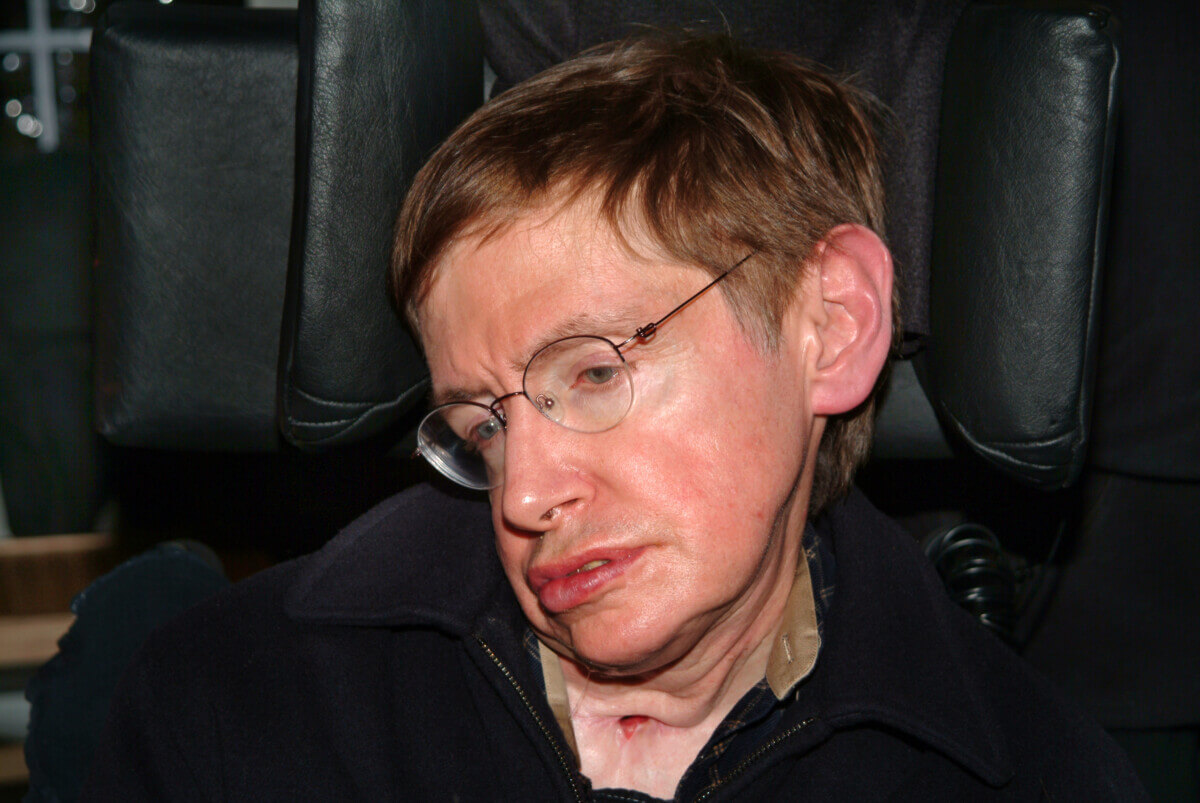
Stephen Hawking (Photo by Koca Vehbi on Shutterstock)
We’ve all studied iconic scientists like Albert Einstein and Isaac Newton in our history and science classes. Their groundbreaking theories have shaped our understanding of the world. But which modern scientists are making waves today? Though their names are not as universally recognized these contemporary pioneers are making significant contributions across various fields, and it’s time we give them the recognition they deserve. Drawing from seven leading science-based websites, we’ve curated a list of the top modern scientists who made a significant impact on the world. Did we miss someone who should be on the list? Let us know below!
StudyFinds is a research-driven platform that analyzes and synthesizes expert recommendations from trusted sources. Rather than writing reviews ourselves, we meticulously compile consensus findings from leading industry experts and established publications to save consumers valuable research time. Each article represents hours of analysis across multiple authoritative sources to identify the most consistently recommended choices.
1. Timothy Berners-Lee
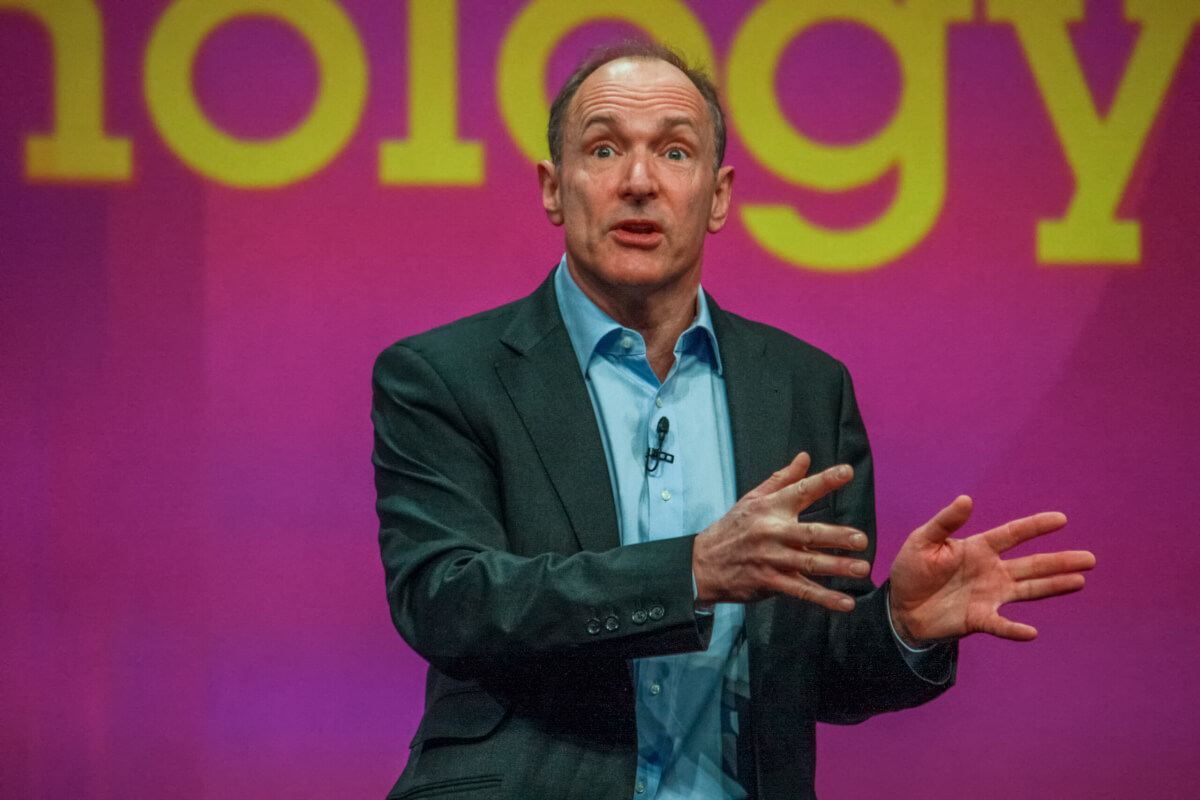
You wouldn’t be reading this if it wasn’t for Timothy Berners-Lee, which is why he tops our list of the best modern-day scientists. You may not know his name but Berners-Lee created a little thing called the “World Wide Web.” Remember when we called it that? This British computer scientist proposed sharing information using hypertext, known better as HTML, the cornerstone of the web. Big Think also points out he created the world’s first website in 1991.
One of Berners-Lee’s most famous quotes is, “The Web does not just connect machines, it connects people.” And he’s right! Once the internet was born, a whole new world opened up and we had access to information and people we never had access to before. He hasn’t invented anything as big since, but he doesn’t need to. Sci Journal reports he continues to work on improving how people interact with technology through his foundation called The World Wide Web Foundation (WWWF).
Berners-Lee is so influential, that even the late Queen Elizabeth knighted him for his invention. In 2013, Bria points out he launched the Alliance for Affordable Internet, working with tech giants like Google, Facebook, Intel, and Microsoft. He was included in Time magazine’s list of the 100 Most Important People of the 20th Century. I’d say that was warranted.
2. Stephen Hawking

According to Big Think, Stephen Hawking is a more prominent household name than Timothy Berners-Lee, largely due to his best-selling book, “A Brief History of Time.” The British theoretical physicist and cosmologist, who passed away in 2018, made the groundbreaking prediction that black holes emit radiation. Hawking, confined to a wheelchair most of his life, also served as an inspiration for people living with amyotrophic lateral sclerosis (ALS) and other disabilities.
Stephen Hawking’s book became a bestseller because he wrote it for readers without any background in physics. It was easy to understand and used mostly non-technical terms to explain advanced concepts in physics and astronomy. Bria believes his goal was to inspire curious minds, by making the wonders of space accessible to everyone.
Hawking’s influence didn’t stop at popularizing science. He authored many other scientific books that have captivated and educated readers worldwide. New Engineer notes he worked with Roger Penrose to develop theorems on gravitational singularities within the framework of general relativity.
3. Alan Guth
Ever heard of “cosmic inflation?” No, it’s not what’s happening at the grocery store these days. It was a theory developed by Alan Guth, an American theoretical physicist and cosmologist. Thanks to his discoveries, we now understand the Big Bang Theory and why the universe is as vast as it is, writes Big Think.
Guth’s theory also helps explain why the Earth is flat and why everything seems uniform. It even covers why certain materials have different phases or contents (heterogeneous), according to Bria. He won the Fundamental Physics Prize and the Kavli Prize and is considered one of the most important scientists of our generation.
Beyond his research, Guth has been an influential educator and communicator, just like Stephen Hawking, making complex scientific concepts accessible to broader audiences. New Books in Sci-Tech believes his work continues to inspire new generations of physicists and cosmologists.
4. Jane Goodall

British primatologist Jane Goodall is probably the most famous human in the primate world and the only woman on our list. Known as the leading chimpanzee expert, she revealed they can learn to make and use tools like humans. She also discovered their capacity for violence to survive in the wild. Bria explains that Goodall is an advocate for conservation and other environmental causes.
Thanks to Goodall’s groundbreaking work over the past 55 years, our understanding of the chimpanzee world has expanded dramatically, solidifying her status as a top-tier scientist. According to Big Think, her contributions have changed our perception of primates and their capabilities. The Jane Goodall Institute was created to advance her work and vision.
Since primates are considered our closest relatives, it’s not surprising that they can do many things we can. However, it took someone like Jane Goodall to bring this research into the mainstream. This is why Super Scholar and other respected platforms regard her as one of the greatest scientific minds of our time.
Sources used to create our list:
Note: This article was not paid for nor sponsored. StudyFinds is not connected to nor partnered with any of the brands mentioned and receives no compensation for its recommendations. This article may contain affiliate links in which we receive a commission if you make a purchase.


