(© Dušan Zidar - stock.adobe.com)
Cooking can be a balancing act—trying to make something delicious while not turning your kitchen into a greasy mess. And let’s not forget the quest to keep things healthy. Enter the world of cooking oils: the secret agents of the culinary world. If you’ve ever found yourself staring blankly at the grocery store shelf, wondering if you should grab the coconut oil or stick with good ol’ olive oil, you’re not alone. We’re here to demystify the array of options and help you pick the best healthy cooking oils that will make your meals tasty, nutritious, and Instagram-worthy (because we all know presentation is key). StudyFinds compiled a list of the five consensus best types, most recommended across 10 expert websites, to keep stocked in your kitchen. As always, we’d like to see your own recommendations in the comments below!
StudyFinds is a research-driven platform that analyzes and synthesizes expert recommendations from trusted sources. Rather than writing reviews ourselves, we meticulously compile consensus findings from leading industry experts and established publications to save consumers valuable research time. Each article represents hours of analysis across multiple authoritative sources to identify the most consistently recommended choices.
Table of contents
1. Extra Virgin Olive Oil
Why is olive oil a healthy cooking oil?
Rich in Healthy Monounsaturated Fats: Olive oil is packed with monounsaturated fats, particularly oleic acid, which can help reduce inflammation and may have beneficial effects on genes linked to cancer.
Loaded with Antioxidants: Olive oil contains a range of powerful antioxidants, including vitamin E and polyphenols, which help fight free radicals and reduce oxidative stress in the body.
Heart Health Benefits: Studies have shown that olive oil can help lower blood pressure, reduce LDL (bad) cholesterol levels, and improve overall heart health, lowering the risk of heart disease.
Anti-inflammatory Properties: The antioxidants in olive oil, particularly oleocanthal, have strong anti-inflammatory effects, similar to those of ibuprofen, helping to reduce chronic inflammation in the body.
Supports Brain Health: The monounsaturated fats in olive oil have been linked to improved cognitive function and a lower risk of cognitive decline, making it a brain-boosting addition to your diet.
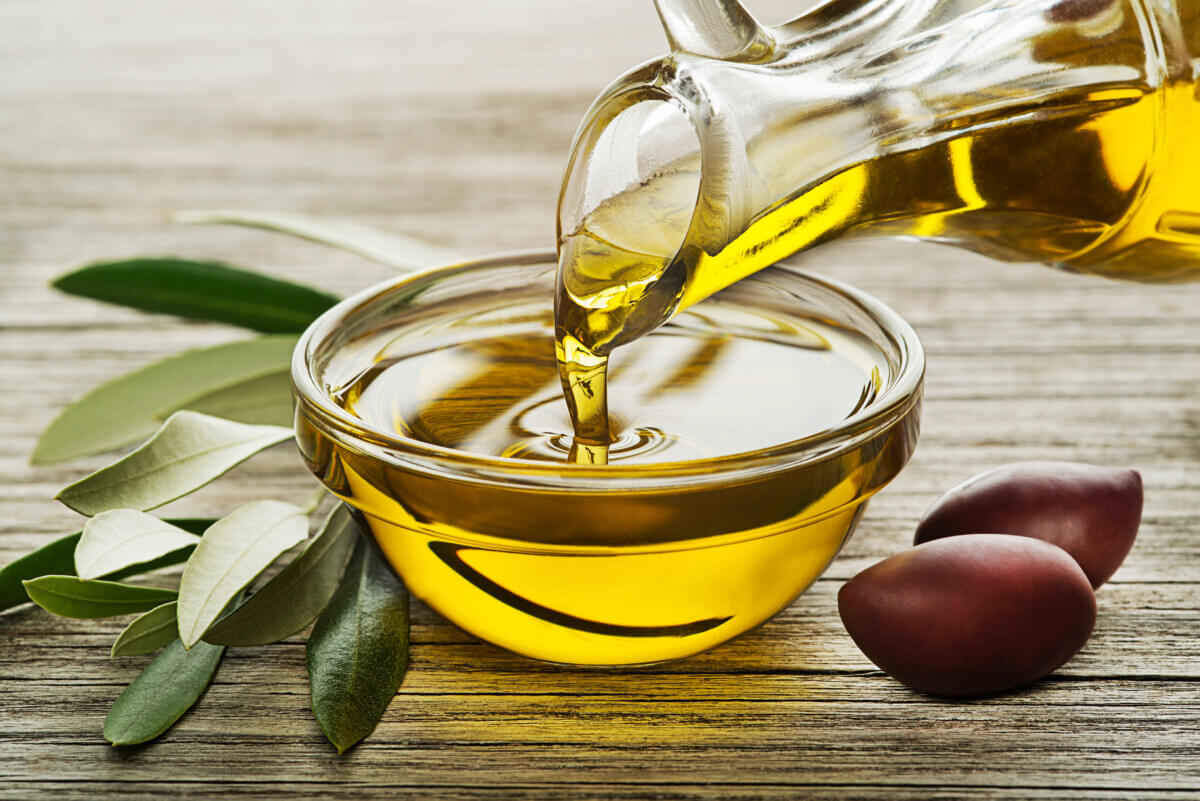
A staple in most pantries, olive oil has its health benefits. Extra virgin olive oil is a rock star. It “contains a large amount of monounsaturated fats and some polyunsaturated fatty acids; many studies have linked it to better heart health,” notes Time.
Keep in mind when cooking with extra virgin olive oil, it has a lower smoke point than other oils. “Cooking a good EVOO at high temperatures can mess with both its flavor and nutrition,” points out Self Magazine. “The smoke point of an oil is the temperature at which it starts to smoke. In the case of olive oil, that is between 374 and 405 degrees F,” adds The Mediterranean Dish.
“Make sure you are buying true extra virgin olive oil. Look for unrefined 100 percent extra virgin oil, a recent harvest date, and a dark bottle. Organic is ideal, but it does come at a higher cost,” according to Real Simple.
2. Avocado Oil
Why is avocado oil a healthy cooking oil?
High in Heart-Healthy Monounsaturated Fats: Avocado oil is rich in oleic acid, a monounsaturated fat that can help reduce bad cholesterol levels, improve heart health, and decrease inflammation.
Loaded with Antioxidants: Avocado oil contains antioxidants like vitamin E and lutein, which protect cells from damage and support overall health, including eye health.
High Smoke Point: Avocado oil has a high smoke point (about 520°F or 271°C), making it ideal for high-heat cooking methods such as frying, grilling, and sautéing without breaking down and releasing harmful compounds.
Promotes Nutrient Absorption: Avocado oil can enhance the absorption of fat-soluble vitamins (A, D, E, and K) from other foods, boosting their nutritional benefits when combined with vegetables and salads.
Supports Skin Health: The healthy fats and antioxidants in avocado oil can nourish the skin, helping to maintain moisture, reduce inflammation, and promote healing of skin conditions like psoriasis and eczema.
“Avocado oil boasts a lot of the same benefits as extra virgin olive oil, but with a higher smoking point, making it great for sauteing or pan frying. It’s full of vitamin E and has one of the highest monounsaturated fat contents in the oil aisle,” notes SCL Health.
The smoke point for avocado oil is about 520 degrees Fahrenheit. “Avocado oil is also rich in carotenoid lutein which improves eye health,” adds Camille Styles.
3. Sesame Oil
Why is sesame oil a healthy cooking oil?
Rich in Healthy Fats: Sesame oil is high in polyunsaturated and monounsaturated fats, which can help lower bad cholesterol levels, reduce the risk of heart disease, and improve overall heart health.
Packed with Antioxidants: Sesame oil contains powerful antioxidants like sesamol and sesamin, which protect cells from oxidative stress, combat inflammation, and support overall health.
Contains Beneficial Compounds: Sesame oil is a source of lignans, such as sesamol and sesamin, which have been shown to have anti-inflammatory, anticancer, and antimicrobial properties.
Supports Bone Health: Sesame oil is rich in calcium, magnesium, and zinc, essential minerals that contribute to strong bones and help prevent osteoporosis.
Promotes Skin Health: The fatty acids and antioxidants in sesame oil can nourish and protect the skin, providing moisture, reducing signs of aging, and promoting healing of wounds and burns.
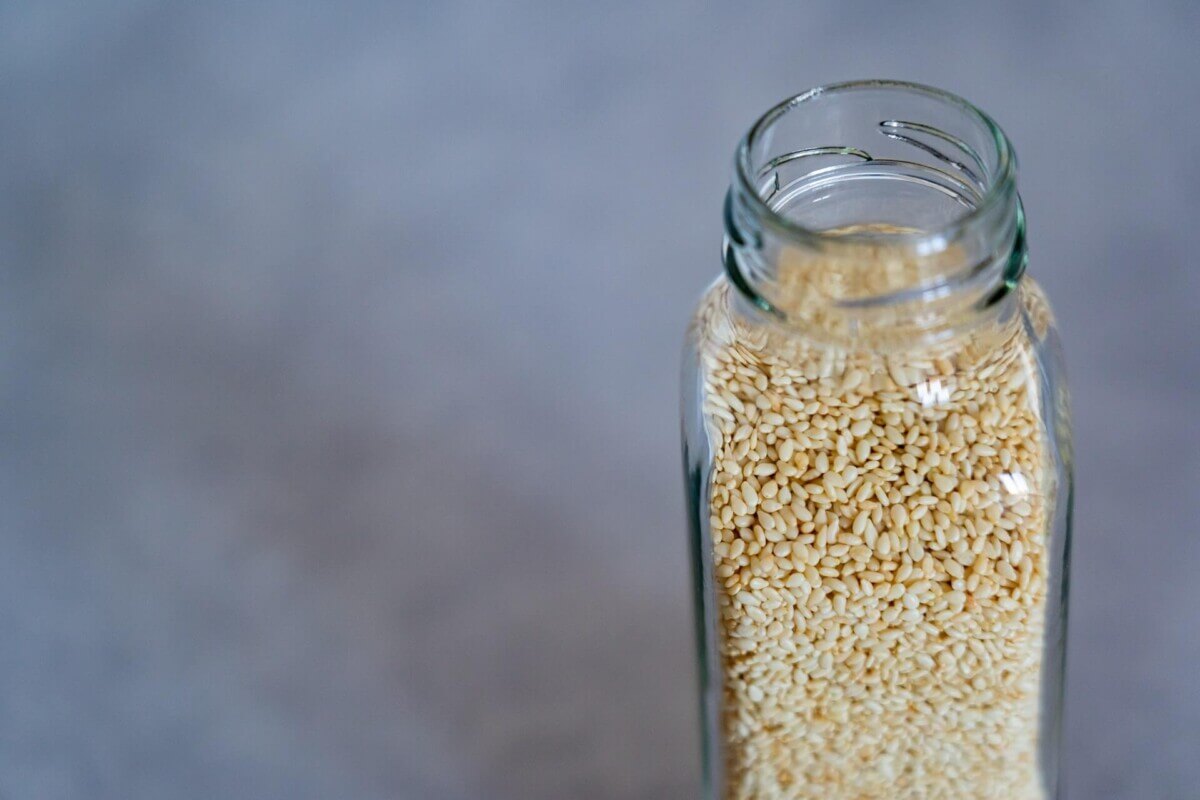
If you are looking for a more flavorful oil, try sesame. It’s used in many Asian and Indian dishes. Sesame oil “has known anti-inflammatory and antioxidant properties, potentially helping lower the odds of cardiovascular disease and atherosclerosis, which is the buildup of fat and other substances in the artery walls that causes these vessels to narrow and raises blood pressure,” according to Everyday Health.
“Drizzle it over some sliced avocado with salt and pepper for an easy snack – or use it in your soups & stir-fry’s to easily boost the flavor of your dish,” notes Chosen Foods.
Just remember to keep your sesame oil in the refrigerator. Its smoke point? Approximately 410 degrees Fahrenheit.
4. Safflower Oil
Why is safflower oil a healthy cooking oil?
High in Unsaturated Fats: Safflower oil is rich in unsaturated fats, particularly monounsaturated and polyunsaturated fats, which can help lower bad cholesterol levels and reduce the risk of heart disease.
Rich in Vitamin E: Safflower oil contains a high amount of vitamin E, a powerful antioxidant that protects cells from damage, supports immune function, and promotes healthy skin.
Anti-Inflammatory Properties: The linoleic acid in safflower oil has anti-inflammatory effects, which can help reduce inflammation and improve overall health.
Improves Blood Sugar Levels: Some studies suggest that safflower oil can help regulate blood sugar levels, making it beneficial for people with diabetes or those at risk of developing the condition.
Boosts Immune System: The healthy fats and antioxidants in safflower oil can strengthen the immune system, helping the body fight off infections and illnesses more effectively.
Safflower oil is derived from the safflower plant. “The linoleic acid in safflower oil might help reduce the risk of heart disease. Safflower also contains chemicals that might help prevent blood clots, widen blood vessels, lower blood pressure, and stimulate the heart,” according to WebMD.
“Safflower oil is virtually tasteless and remains a liquid even when refrigerated. From a culinary standpoint, it is great to use in salad dressings and other cold preparations,” adds Real Simple.
With a smoke point of around 510 degrees Fahrenheit, you can cook it over higher heat too.
5. Peanut Oil
Why is peanut oil a healthy cooking oil?
Heart-Healthy Fats: Peanut oil is rich in monounsaturated and polyunsaturated fats, which are known to support heart health by reducing bad cholesterol levels and lowering the risk of heart disease.
High Smoke Point: With a high smoke point, peanut oil is ideal for high-temperature cooking methods like frying, sautéing, and roasting, without breaking down into harmful compounds.
Rich in Vitamin E: Peanut oil is a good source of vitamin E, an antioxidant that protects cells from damage, supports immune function, and promotes skin health.
Contains Phytosterols: Peanut oil contains phytosterols, compounds that can help reduce cholesterol absorption in the intestines, further supporting cardiovascular health.
Promotes Skin Health: The vitamin E and other antioxidants in peanut oil can improve skin health by reducing oxidative stress and keeping the skin moisturized and protected.
Peanut oil comes from peanut plant seeds, and is a solid vitamin E source. “It has also been linked to some health benefits, including reducing certain risk factors for heart disease and lowering blood sugar levels in people with diabetes,” points out Healthline.
It’s a flavorful oil that’s used in many Asian dishes. Peanut oil also “has a high smoke point (450 degrees Fahrenheit), so you can even use it to fry foods like tempura,” adds Self Magazine.
Remember, a good rule of thumb is moderation.
Sources used to create this list
- Time
- Self Magazine
- The Mediterranean Dish
- Real Simple
- SCL Health
- Camille Styles
- Everyday Health
- Chosen Foods
- WebMD
- Healthline
Note: This article was not paid for nor sponsored. StudyFinds is not connected to nor partnered with any of the brands mentioned and receives no compensation for its recommendations. This article may contain affiliate links in which we receive a commission if you make a purchase.


