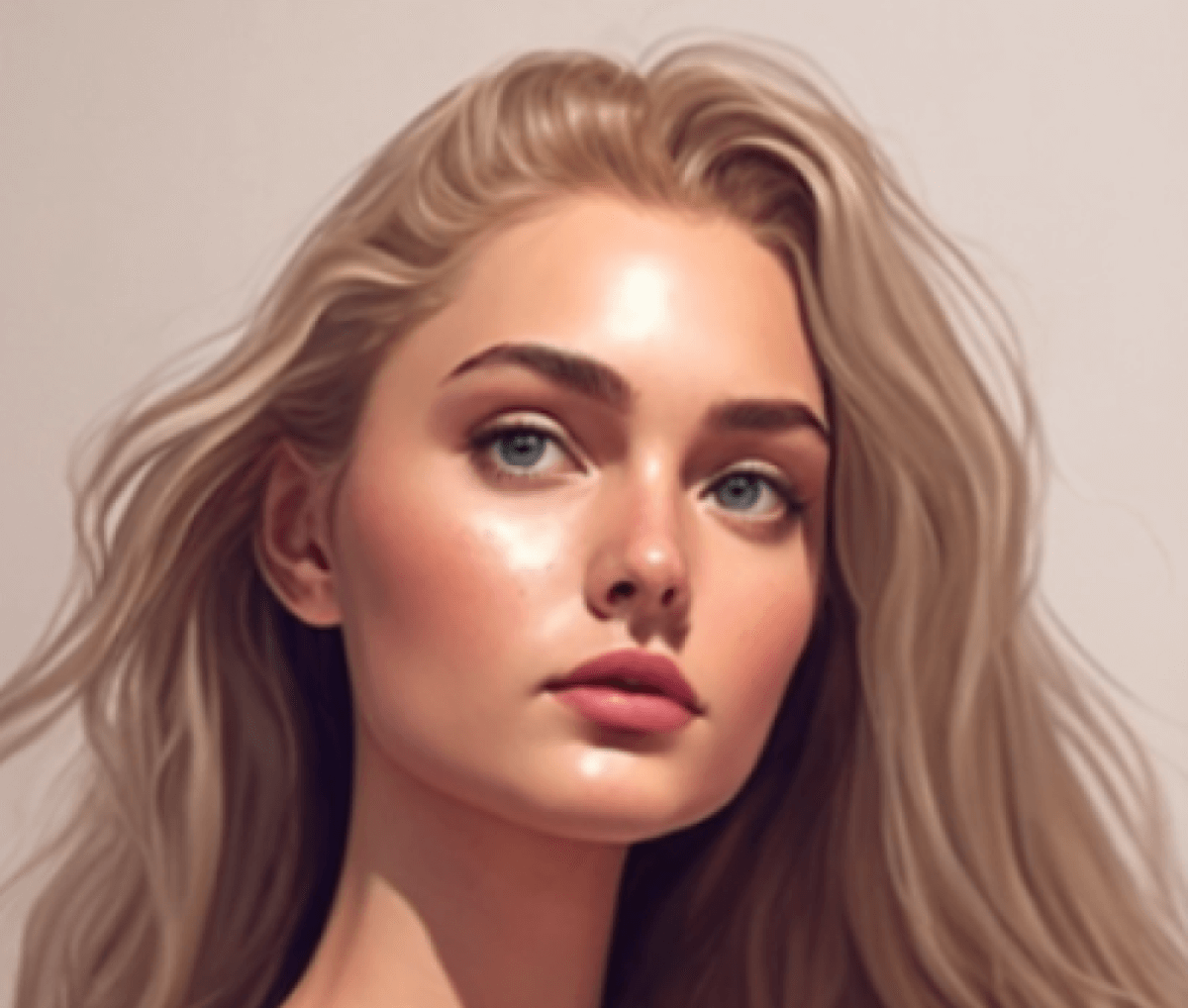
An AI-generated drawing of AI's depiction of the perfect female body (Credit: The Bulimia Project)
NEW YORK — Artificial intelligence is helping to reveal what some are calling social media’s twisted vision of beauty. Using AI to create life-like portraits of the “perfect” man and woman, according to social media, researchers with The Bulimia Project say they are exposing how unrealistic today’s depictions of the human body really are.
The group started by asking a simple question: what exactly are the “ideal” body types being promoted by the billions of images on social media? Additionally, just how distorted are they from reality?
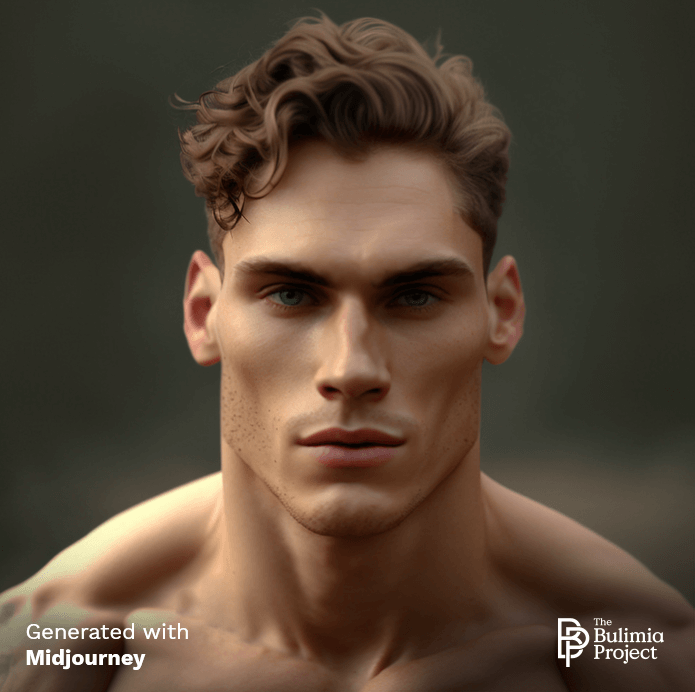
From there, they used the AI image generators Dall-E 2, Stable Diffusion, and Midjourney to come up with the answers. Their first prompt for these programs examined social media’s “ideal” male and female figures.
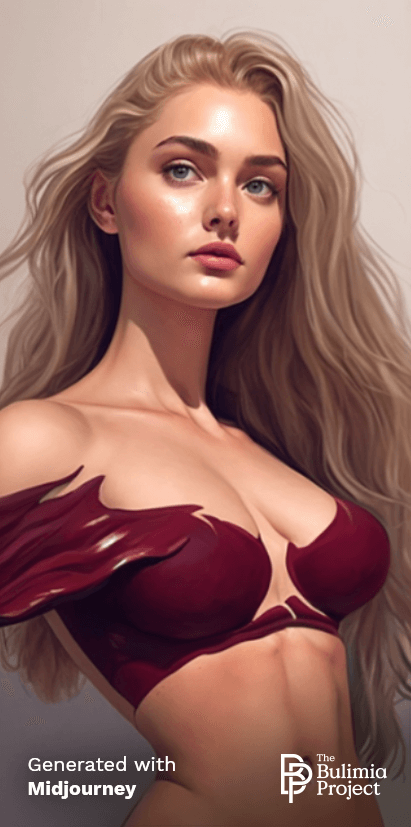
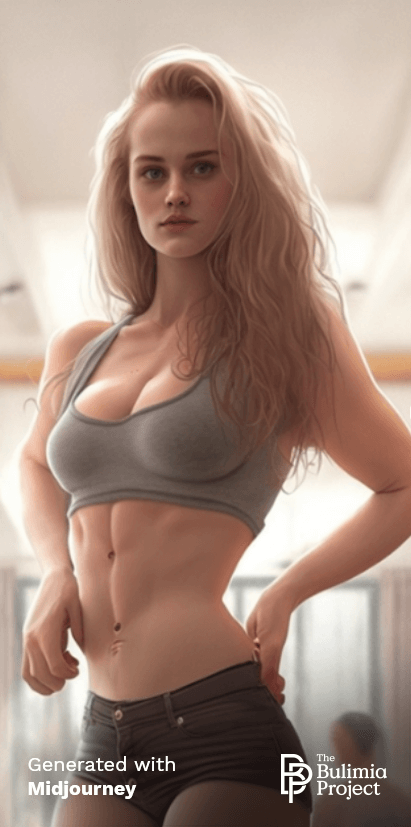
The researchers with The Bulimia Project say 40 percent of the images depicted unrealistic body types. Interestingly, the team deemed more of the male bodies (43%) to be unrealistic in comparison to the female bodies (37%).
The women were generally smaller in nearly all of the images created by Dall-E 2, Stable Diffusion, and Midjourney. Meanwhile, many of the male physiques generated looked like photoshopped versions of bodybuilders.
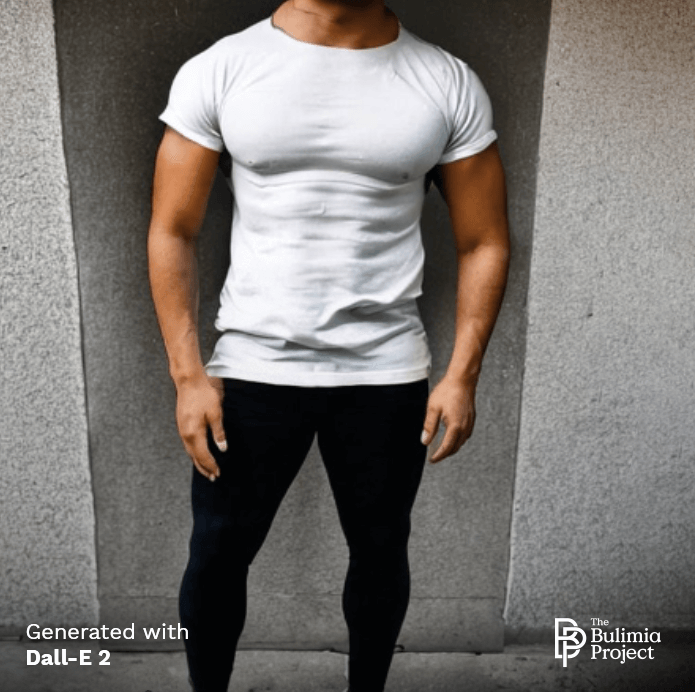
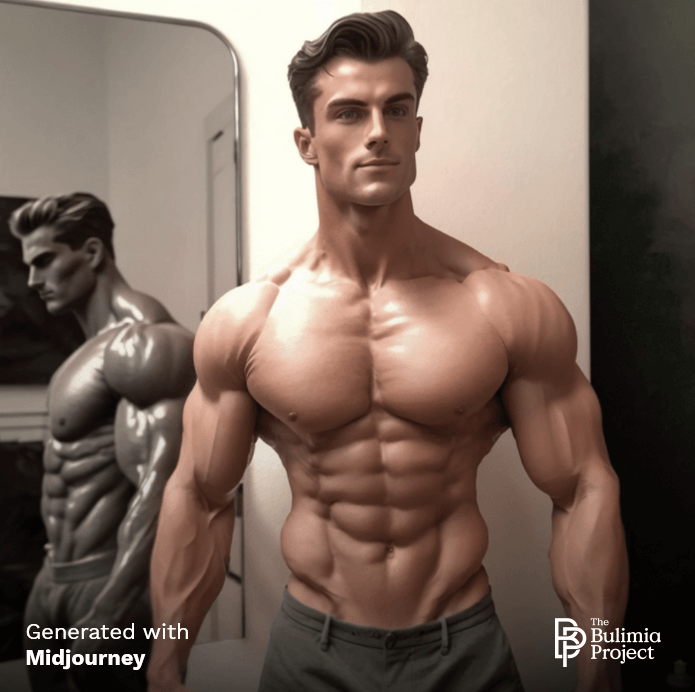
What does ‘perfection’ look like?
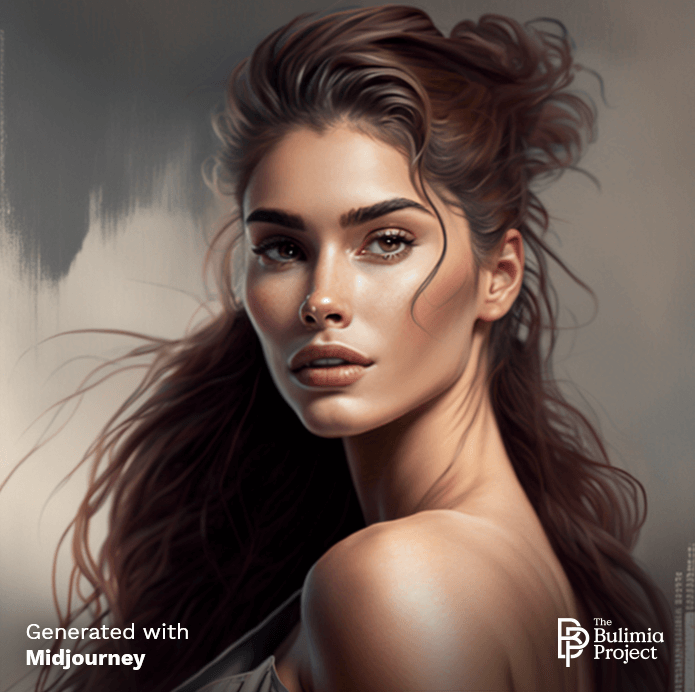
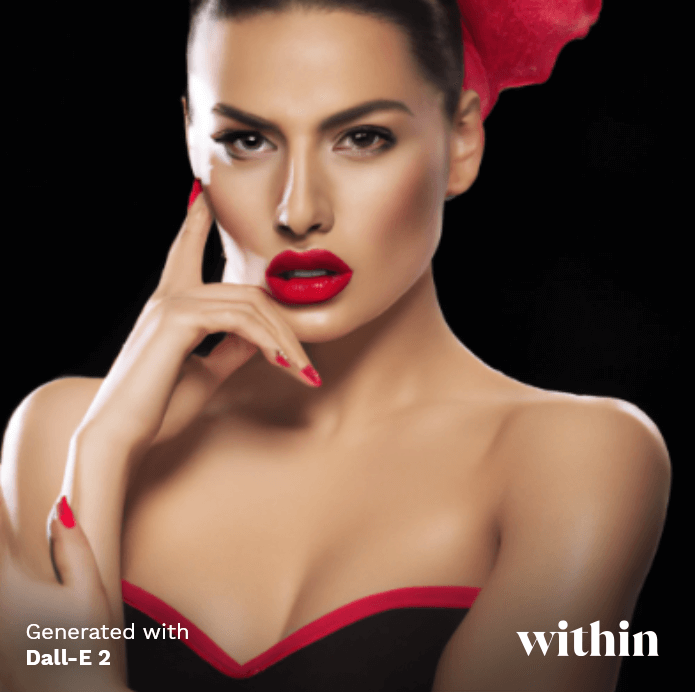
When researchers changed the question to depict the “perfect” man and woman in 2023, AI displayed a bias toward women with blonde hair, brown eyes, and olive skin.
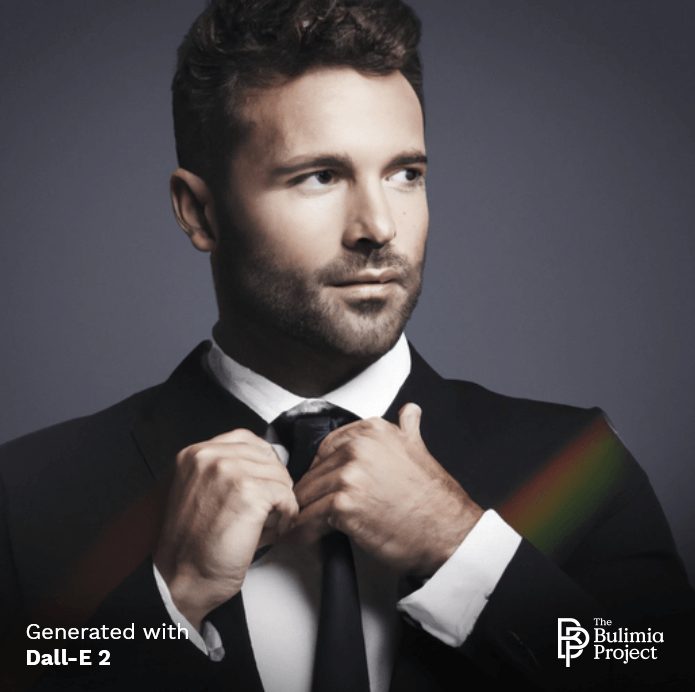
As for the men, the programs settled on guys with brown hair, brown eyes, and olive skin. Nearly half of the images (47%) also favored men sporting facial hair.
“Social media’s impact on children’s mental health has been a hot topic among psychologists lately, with some pointing to it being a source of body image and self-esteem problems. Although young users might be the most impressionable, the pervasive promotion of idealized body types on these platforms also takes its toll on adults,” the researchers with Bulimia.com write in a media release.
“Considering that social media uses algorithms based on which content gets the most lingering eyes, it’s easy to guess why AI’s renderings would come out more sexualized.”


