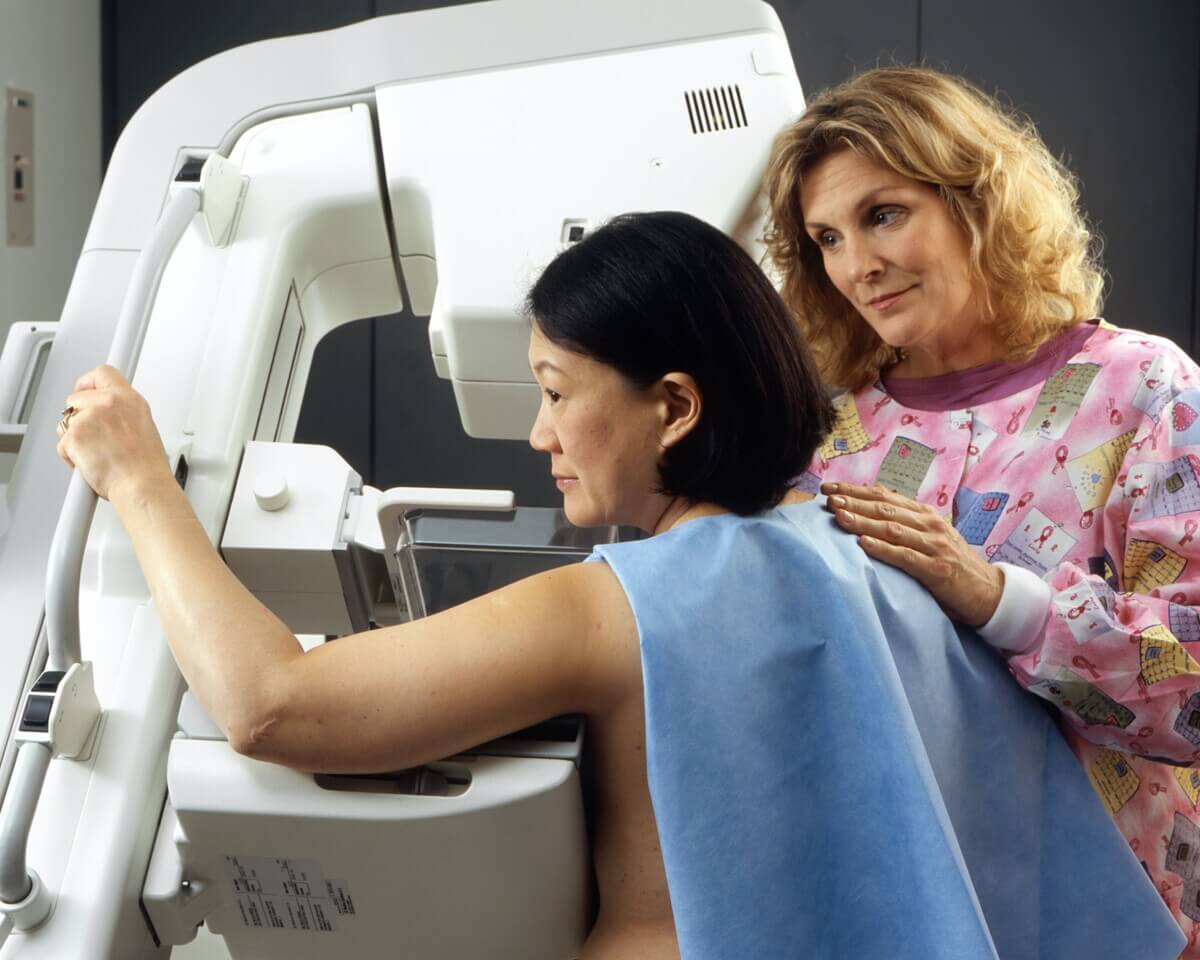
Photo by National Cancer Institute on Unsplash
ORLANDO, Fla. — More than 260,000 new cases of breast cancer are diagnosed each year in the United States, and more than 40,000 U.S. women die from breast cancer annually. The absolute best way to beat a case of breast cancer is early diagnosis and treatment, yet a troubling new survey from Orlando Health reports an alarming number of young women are choosing to forgo potentially life saving mammograms.
Per the National Comprehensive Cancer Network’s recently updated guidelines, women of “average risk” for breast cancer should begin annual mammograms at 40 years old. Meanwhile, women with a family history of cancer, prior biopsies, atypical cells, or dense breast tissue should start annual mammograms even earlier in life.
Yet, according to this latest poll’s findings, an astounding 22 percent of U.S. women aged 35-44 have never received a mammogram — and aren’t planning on getting one either in the near future.
“Mammograms can pick up tumors that are extremely small and result in a diagnosis at a stage zero or one, versus waiting for a patient to feel a lump and then by then it’s probably a stage two or three,” says Nikita Shah, MD, medical oncology team leader for the Breast Care Center at the Orlando Health Cancer Institute, in a statement. “That’s the difference between a lumpectomy and possibly a short course of radiation and more extensive treatments that involve chemotherapy, radiation and surgeries. Survival also goes from nearly 100 percent at stage zero to 50 to 70 percent for those diagnosed at stage two or three.”
Additionally, the poll tells us that less than half of American women (43%) are aware of their family’s breast cancer history, and only a third (32%) know their individual risk factors for breast cancer. Knowing one’s personal risk factors, and when to begin cancer screenings, are both critical to early detection efforts. This is especially true for women disproportionately affected by the disease, such as Black women. African-American women are both more likely to be diagnosed with breast cancer at a younger age, and 40 percent more likely to pass away from breast cancer than white women.
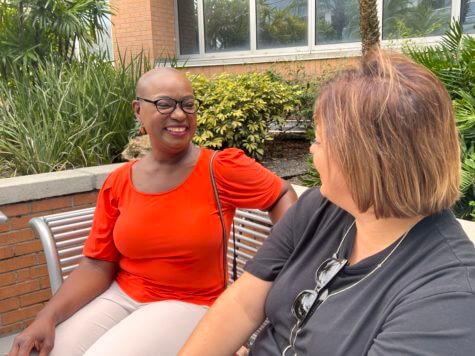
“African American women tend to have a more aggressive disease course, and we want everybody, regardless of their race, to be aware and get their recommended mammograms,” Dr. Shah explains. “Breast cancer is one of the few cancers where the survival rate is very high when caught early, and we know that early detection is where we can really make a difference.”
For example, Terlisa Sheppard was 31 years old and eight months pregnant when she was given her breast cancer diagnosis. A lump had been noticed under her arm that seemed to be growing as her pregnancy progressed. “I am so glad that I made the decision at that point to go in because my life changed instantly. I know for sure that that mammogram saved my life and my baby’s life,” Sheppard comments. “I had a healthy daughter six weeks early and immediately began treatment to try to save my life.”
Fast forward to today, and Terlisa’s two daughters are 23 and 25 years old. Together with their mother, they’ve decided to advocate for both breast cancer risk awareness and the importance of early detection. “You know your body better than anybody. If you notice something, have it checked out,” Sheppard says. “I’m a clear example that age doesn’t matter. After my diagnosis, I had to fight for my life and the opportunity to be there for my daughters. If I can help someone else avoid that hardship through early diagnosis, I’m going to do everything I can.”
Researchers recommend that women being discussing breast cancer risk factors with their doctors in their twenties. Together, doctor and patient should determine the best time to begin annual mammograms. Self-breast examinations on a monthly basis are also important, as they help women get a sense of what normal feels like for them. That way, if something changes or an irregular lump appears, it will be noticed quickly.


