
(© Prostock-studio - stock.adobe.com)
In a nutshell
- A third of Americans aren’t waking up well-rested, with daily exhaustion starting as soon as they get out of bed
- Being interrupted or talked over is the biggest social energy drain (15%), while lack of quality sleep is the top physical drain (42%)
- Americans drink only 5.3 cups of water daily, well below the recommended 8-9 cups, despite 56% believing hydration affects energy levels
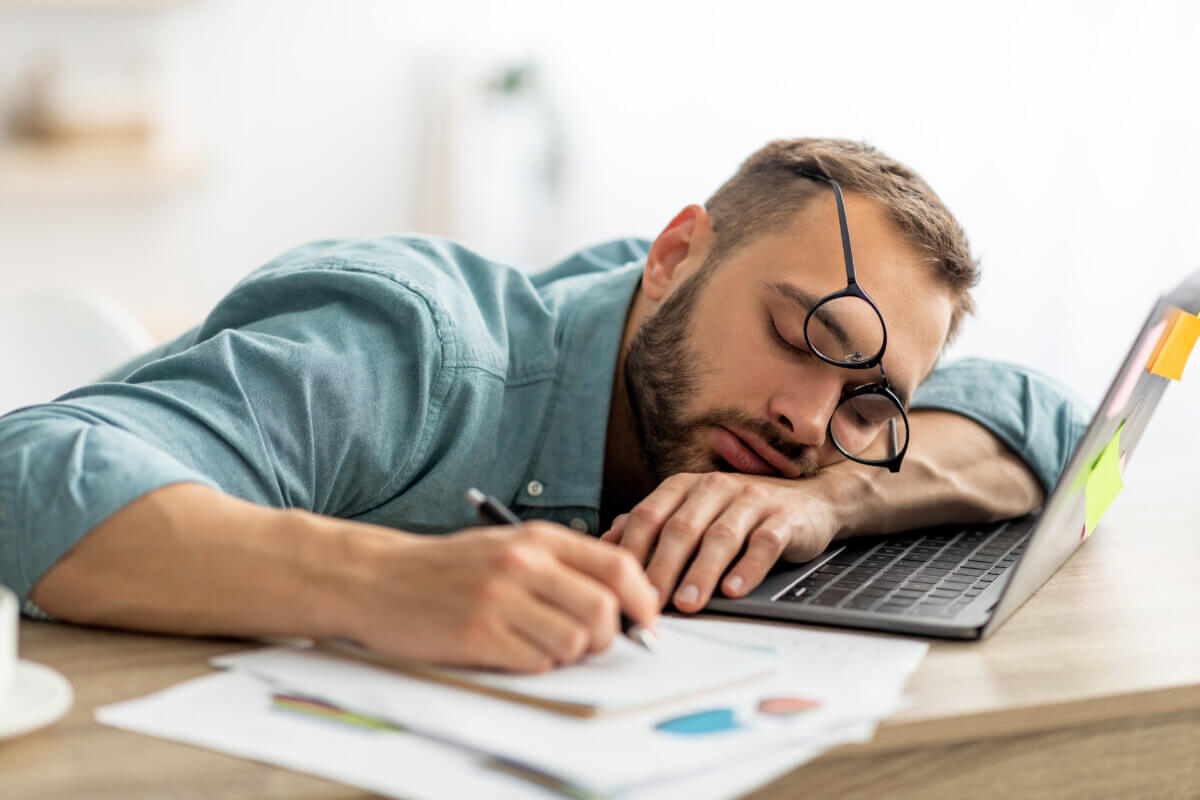
NEW YORK — One in three Americans wake up already exhausted, and their work productivity may be paying a serious price. By 11:54 a.m. the average person starts to fade completely.
A new Talker Research survey of 2,000 Americans reveals what’s stealing our energy throughout the day, and the results show it’s not just our jobs leaving us depleted. Social interactions, household chores, and even the weather are major culprits in our daily energy crisis.
The research, commissioned by Zipfizz, found that another third of Americans blame their jobs for leaving them drained. But workplace fatigue tells only part of the story.
The Biggest Energy Vampires
Being interrupted or talked over tops the list of social energy drains, affecting 15% of respondents. Awkward small talk follows at 11%, while customer service interactions (9%) and talking to strangers (9%) round out the top energy-sucking social situations.
Other social battery zappers include unsolicited advice (8%), office gossip (6%), and group video calls (4%). Even seemingly minor workplace interactions drain people: coworkers showing you something on their phone (3%) or overly personal conversations with colleagues (4%).
For physical energy, lack of quality sleep dominates at 42% of responses. The never-ending cycle of housework and chores comes second at 28%, followed by financial worries (26%), bad weather (20%), and dull social interactions (19%).
How People Fight Back
When the mid-day energy crash hits, Americans turn to familiar fixes. A quarter (25%) reach for caffeine, while 15% turn up the music and 14% try to sneak in a nap. Thirteen percent use exercise or mindful movement to boost their energy, and 8% step outside for fresh air.
Despite widespread belief that staying hydrated matters for energy levels—56% of people think it’s important—the average American drinks just 5.3 cups of water daily. That’s well below the recommended eight to nine cups.
Weekends Don’t Solve the Problem
Even when the weekend arrives, relief doesn’t come for many Americans. Nearly half (48%) still feel wiped out on their days off.
More than a quarter (28%) believe that small habit changes, like drinking more water, could significantly impact how energized they feel throughout the week.
When asked what they’d do with just one extra hour of daily energy, Americans revealed what they’re missing most: simply relaxing (15%), being physically active (14%), and getting more sleep (13%). Others would spend quality time with friends or family (10%) or catch up on chores (9%).
“This survey really shows how quickly our energy can take a hit — even before lunchtime,” said Marcela Kanalos, spokesperson for Zipfizz. “From housework to weather, it’s the small, constant drains that add up. Knowing how to recover from that dip can make all the difference.”
The solution, according to Kanalos, isn’t just pushing through. “When people are running on empty before noon and the weekend doesn’t offer the recovery they hoped for, it’s a sign that quick fixes aren’t enough,” she added. “Real energy comes from small, consistent choices — like better sleep, hydration and meaningful downtime — that add up over time. We don’t just need to push through the day; we need to learn how to recharge in ways that actually last.”
Survey Methodology
Talker Research surveyed 2,000 Americans online between May 1-5, 2025, for this study commissioned by Zipfizz. Participants came from traditional online panels and programmatic sampling, completed the survey in English, and received small incentives. The research team used quality controls to exclude incomplete responses, speeders, bots, and duplicate entries. Results may not represent Americans without internet access.


