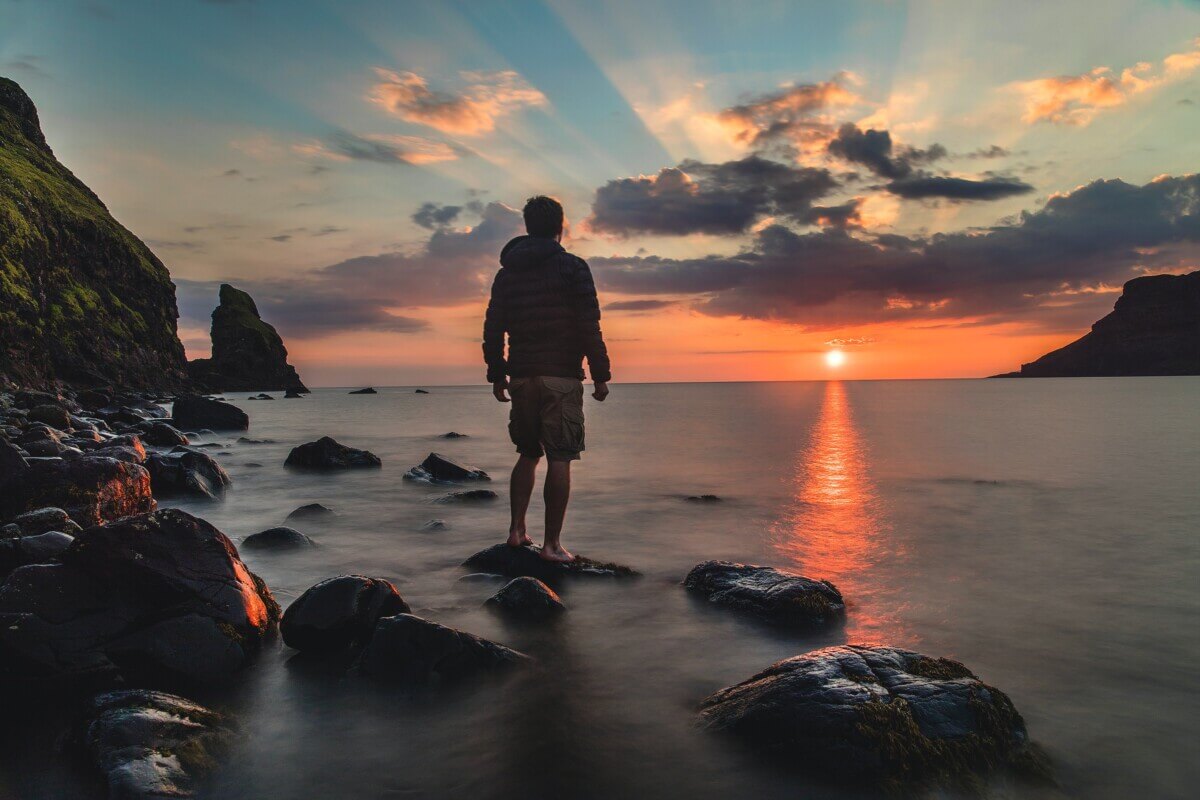
Photo by Joshua Earle on Unsplash
EXETER, United Kingdom — Do you often wake up in a crummy mood? Consider taking a few minutes to watch the sunset at night. According to researchers from the University of Exeter, you just might come away from the experience feeling better. Their study finds watching sunsets in the evening, or the sun rise in the morning, promotes increased perceptions of natural beauty and an uptick in feelings of “awe.”
Awe is a tough emotion to even define, let alone elicit, but study authors believe the increased feelings of awe sparked by watching sunsets or sunrises can potentially improve one’s mood, enhance positive social behavior, and increase positive emotions. All in all, taking a moment to appreciate the daily rhythms of our planet can help improve overall well-being.
It’s hardly a secret that spending time outdoors is good for the body and mind. Plenty of studies have concluded as much, but most of those earlier projects focused on the impact of nature under calm, blue skies. Few research projects have assessed how people respond to variations in weather and the daily rhythms of the Sun, often referred to as “ephemeral phenomena.”
So, the study authors opted to utilize the latest in computer graphics to show over 2,500 participants images of both urban and natural environments. Whenever these images included a sunrise or a sunset, the group considered them to be substantially more beautiful in comparison to the same shot seen under sunny conditions at any other time of day. Notably, the study also found sunrises and sunsets are capable of triggering significant boosts in people’s feelings of awe.
Could other images improve mental health?
The research team didn’t focus solely on sunrises and sunsets; they also considered rarer events, such as rainbows, thunderstorms, and starry or moonlit skies. Sure enough, all of those phenomena altered the extent to which people experienced beauty and awe across different landscapes and images in comparison to sunny, blue skies.
Importantly, these changes in perception also led to variations in how the environments were valued. Study authors asked participants how much they would pay to experience each digital scene in the real world.
Participants said they were willing to pay a premium of nearly 10 percent to visit the natural settings at sunrise in comparison to during the day. Researchers note that added value like that is usually associated with more permanent features, such as scenic lakes or historic buildings. The research team speculates encouraging people to experience sunsets and sunrises could help boost well-being, and may even work as a component of “green prescribing” practices, in which nature plays a pivotal therapeutic role in mental health interventions.
“We’re all familiar with the urge to take a photo of a brilliant sunset or unexpected rainbow. The term ‘sunset’ has over 300 million tags on Instagram and people told us they’d be willing to pay a premium to experience these phenomena, but of course we can all experience them for free. Our research indicates that getting up a bit earlier for sunrise or timing a walk to catch sunset could be well worth the effort – the ‘wow’ factor associated with these encounters might unlock small but significant bumps in feelings of beauty and awe, which could in turn have positive impacts for mental wellbeing,” says lead author Alex Smalley, a PhD fellow at the University of Exeter, in a university release.
Your location may affect what you can see
Study authors stress that the impact of such phenomena varies greatly depending on where people live. Those who live on east-facing coastlines might find sunrises easier to see. Meanwhile, those in the west might may more easily experience sunsets.
“Most of the phenomena we tested can be fleeting and unpredictable, and we think this novelty is partly behind the effects we’re seeing. Given their potential to change people’s experiences in both natural and urban landscapes, there could be real value in highlighting how and where these events might be experienced, particularly in towns and cities,” Smalley concludes.
The study is published in the Journal of Environmental Psychology.


