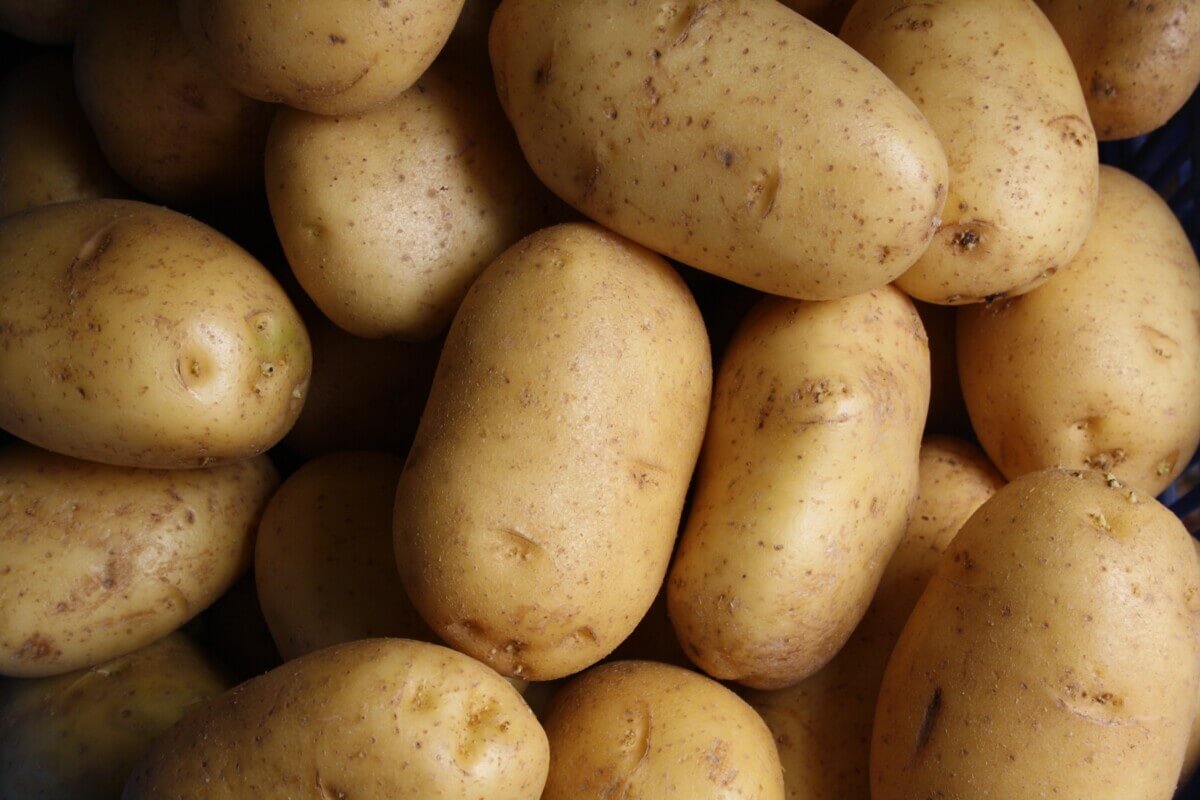
(Photo by Lars Blankers on Unsplash)
NEW YORK — “Carbs are bad” is a phrase I’m sure you’ve heard before. It’s a blanket statement that doesn’t address nuance where it’s required. Wonder Bread isn’t the same thing as sweet potatoes or beans, and failing to make the distinction can have consequences. Starchy vegetables like those actually count toward your overall vegetable intake count, according to the Dietary Guidelines for Americans. Moreover, recent research using menu model analysis shows that replacing starchy vegetables with grain-based carbohydrates for one day led to a 21-percent decrease in potassium, a 17-percent decrease in vitamin B6, an 11-percent reduction in vitamin C, and a 10-percent fall in fiber.
“It’s tempting to think of all carbohydrate foods as interchangeable,” says registered dietitian Keith Ayoob, EdD, RDN, Associate Professor Emeritus from the Albert Einstein College of Medicine, in a media release. “But these foods are categorized within different food groups for a reason – perhaps most importantly, they tend to have vastly different vitamin and mineral contents.”
For example, potatoes and other foods like it are typically higher in minerals like potassium than grains, which is one of many nutrients that Americans don’t usually get enough of. This isn’t to say that grains, particularly whole grains, don’t have a place in someone’s diet. Whole grains provide nutrients like fiber and various B vitamins, which are equally important.
“As is so often the case in the world of nutrition, guidance comes down to balance, variety and moderation – which might sound boring, but all three would benefit most people’s eating styles,” says Ayoob. “It’s important to get the right mix of vegetables and grains and include both starchy and non-starchy vegetables to help ensure we’re meeting both our macronutrient and micronutrient needs.”
“It’s also important to recognize that some cultural groups traditionally use certain carb-containing foods over others. That’s why more research is needed to understand how different carbohydrate food choices impact diet quality and what culturally appropriate foods should be encouraged to help close any nutrient gaps.”
To conduct the work, Dr. Ayoob analyzed two one-day menu models to assess nutrient contributions from both starchy vegetables and grains in the diet. A roughly 2,000-calorie menu was used as a foundation to reflect current dietary recommendations within the 2020-2025 Dietary Guidelines for Americans and the USDA’s “Food Pattern Models.” It included grain-based foods and white potatoes. The potatoes were used as breakfast in the form of hash browns and at dinner in the form of a baked potato.
A ~2,000-calorie menu that replaced 100 percent of starchy vegetables with grain-based foods was used for comparison. The hash browns were replaced with a slice of whole wheat bread, and the baked potato from dinner was with white rice. The limitation of this design is that potatoes were the only starchy vegetable incorporated into the menu. Analysis was done for one day.
A Dietitian’s Take
Not all carbs provide the same nutrients, so they can’t all be lumped together. Grains and starchy vegetables are both foods that provide a variety of vitamins and minerals, although the latter tend to be richer in some nutrients like potassium. This menu analysis study showed that avoiding starchy vegetables to eating grain-based carbs could compromise the quality of nutrition received. Potatoes are frequently viewed as unhealthy when they have a great nutritional profile and can be part of a balanced diet.
However, after reviewing this work, there are some limitations to note. As the study leader mentioned, this analysis was confined to a single day. Moreover, white rice and bread were used as grain-based foods. White rice has been stripped of the hull and germ, which holds the minerals, vitamins, and fiber. As such, it isn’t necessarily a fair choice of food to use to make nutritional comparisons.
Additionally, while whole-grain bread contains some nutrients, it’s still a processed carbohydrate. Oats and barley are two examples of grains that could’ve been used instead to represent this category. They are minimally processed by the time they get to people’s plates and are more likely to pack nutrition than a slice of bread. This research is interesting, but in my opinion, it is limited in application.
The findings are published in the journal Frontiers in Nutrition.
You might also be interested in:
- Sweet potatoes aren’t healthier than white potatoes — a dietitian explains the difference
- Spud surprise: Eating potatoes won’t increase diabetes or hypertension risk, study claims
- Best Types Of Whole Grains: Top 5 Healthy Carbs, According To Nutrition Experts
- No, brown rice is not healthier than white rice


