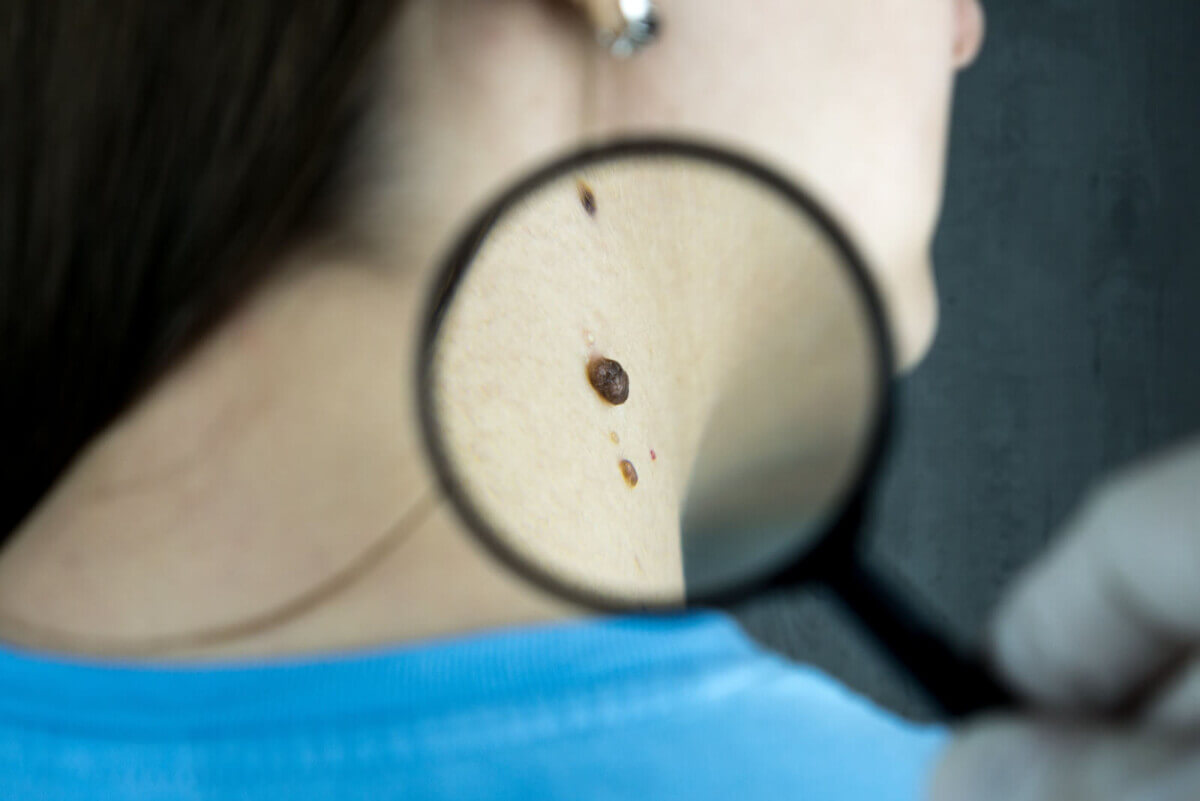
Photo by Bermix Studio from Unsplash
NICE, France — Non-melanoma skin cancer (NMSC) is causing more global deaths than melanoma, which is typically considered the more severe form of the disease, a new study warns. Scientists speculate that the actual prevalence of NMSC may be even higher, given that it is frequently “underreported.”
“Although NMSC is less likely to be fatal than melanoma skin cancer, its prevalence is strikingly higher. In 2020, NMSC accounted for 78% of all skin cancer cases, resulting in over 63,700 deaths,” says the study’s lead author, Professor Thierry Passeron from Nice University Hospital in France, in a media release. “In contrast, melanoma caused an estimated 57,000 fatalities in the same year. The significantly higher incidence of NMSC has, therefore, led to a more substantial overall impact.”
The study, drawing on data from the World Health Organization’s International Agency for Research on Cancer, pinpointed specific demographics at heightened risk. These include outdoor workers, organ transplant recipients, and individuals with xeroderma pigmentosum – a genetically driven extreme Sun sensitivity disorder.
The research found a notably high incidence of skin cancer in fair-skinned and elderly populations in the United Kingdom, United States, Germany, France, Australia, and Italy. Nonetheless, even regions with predominantly darker-skinned populations, like Africa, registered significant skin cancer deaths, documenting 11,281 fatalities.
“As alarming as these figures are, they may, in fact, be underestimated. NMSC is often underreported in cancer registries, making it challenging to understand the true burden,” Prof. Passeron elaborates.
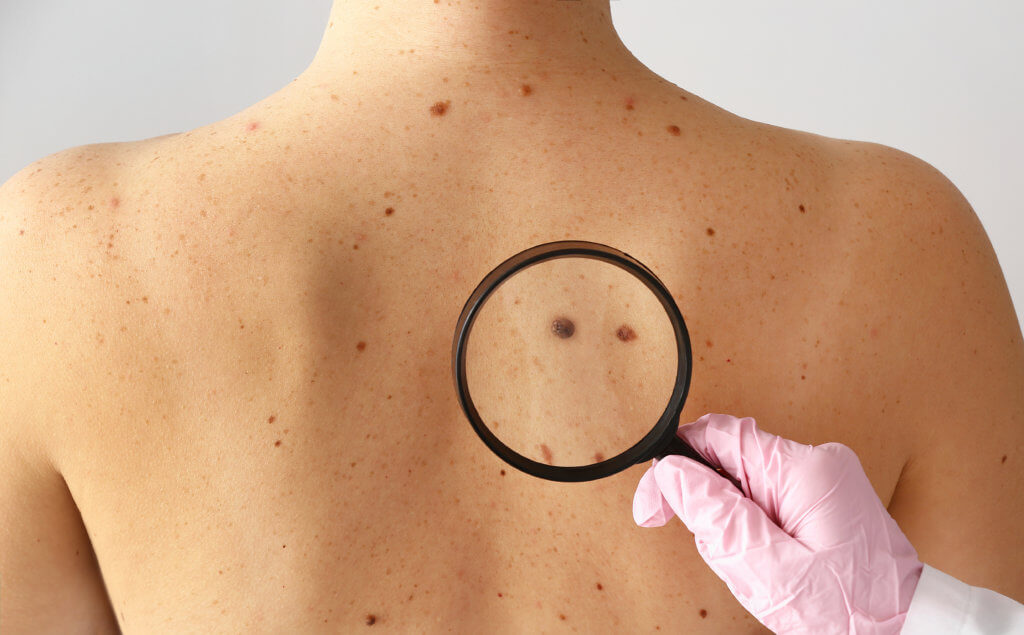
In 2020, reported NMSC cases globally neared 1.2 million, compared to 324,635 melanoma cases. Most skin cancer diagnoses are non-melanoma types that predominantly develop in the skin’s upper layers. The more common among these are basal cell carcinoma and squamous cell carcinoma. In contrast to melanoma, which originates in melanin-producing melanocytes, NMSC is less prone to metastasize and is generally more treatable.
“Our study did not find consistent evidence to suggest that having more dermatologists per capita could reduce mortality rates. Surprisingly, countries like Australia, the UK and Canada, with fewer dermatologists, exhibited low mortality-to-incidence ratios. We therefore need to explore what strategies these countries are employing to reduce the impact of skin cancer in further depth. The proactive role of other healthcare professionals, such as general practitioners (GPs), in early detection might account for this positive outcome. Globally, there’s an ample scope to amplify GPs’ roles in early skin cancer identification,” Prof. Passeron continues.
The researchers say public awareness efforts are essential, emphasizing the dangers of Sun exposure and other associated risks. It’s vital that these campaigns focus on those most vulnerable, like the fair-skinned, outdoor workers, older individuals, and those with compromised immune systems. Additionally, it’s crucial to also reach out to groups not usually seen as high-risk.
“We have to get the message out that not only melanoma can be fatal, but NMSC also. It’s crucial to note that individuals with melanin rich skin are also at risk and are dying from skin cancer,” Passeron concludes. “There is a need to implement effective strategies to reduce the fatalities associated with all kinds of skin cancers.”
The findings will be presented at the European Academy of Dermatology and Venerology (EADV) Congress in Berlin, Germany,
South West News Service writer Stephen Beech contributed to this report.


