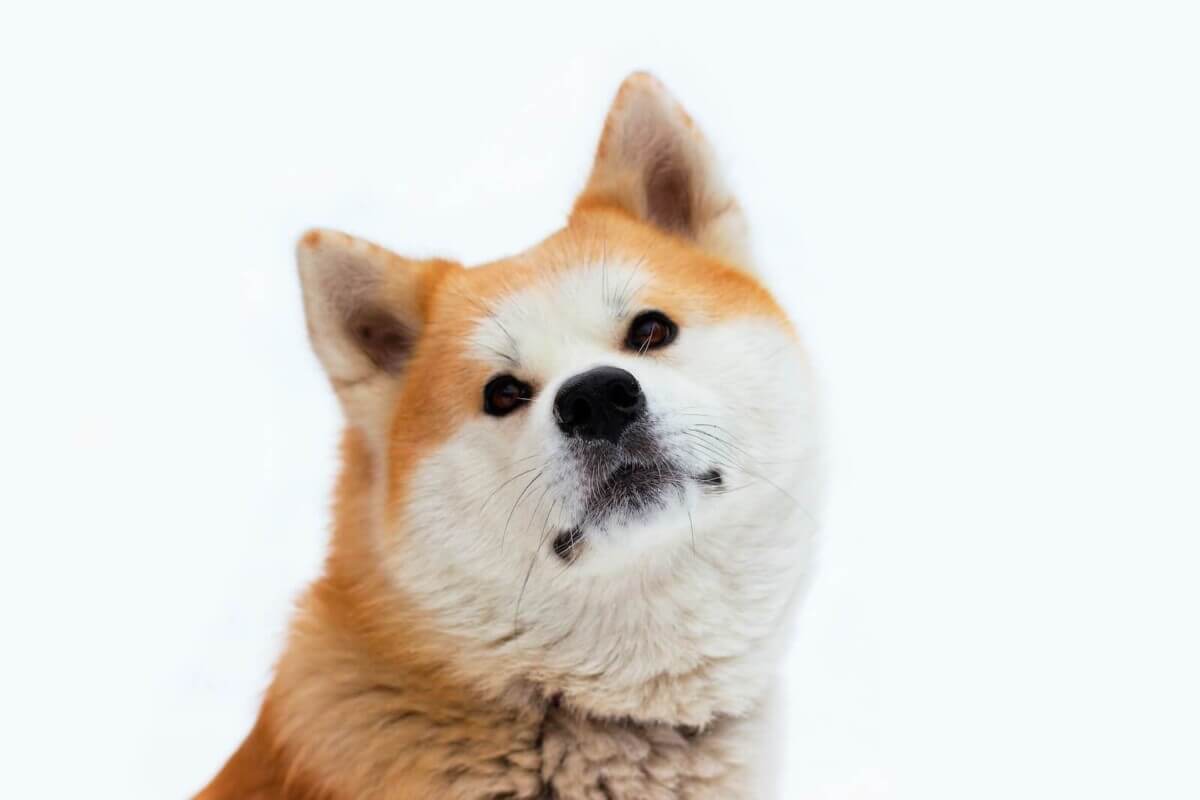
Akita (Photo by Mikhail Vasilyev on Unsplash)
It is no joke that America loves dogs! They add so much to the lives of their owners: as companions, coworkers, and, of course, beloved family pets. Some breeds require more care and training as compared to the average mutt. Our list of the top five most high-maintenance dogs covers every breed that is a little bit more needy than most but still equally loveable.
Although we wouldn’t trade them for the world, owning a dog is a lot of work! A new survey finds the first year of dog ownership will see six pairs of chewed shoes, five emergency visits to the vet, and six mad dashes to freedom out the front door. So, when thinking of becoming a pet parent, remember that it is not all sunshine and rainbows.
Additionally, they are a financial commitment. The average pet owner has an annual budget of $3,500 for their pet, with about $300 a month set aside for them. Trips to the vet, toys, food, and many other supplies begin to add up. But that doesn’t mean they aren’t worth it. In fact, most people would rather spend money on their pet than their partner, per recent research.
Between advanced training, detailed grooming, and particular needs, high-maintenance dogs demand attention. Moreover, these breeds are not suited for first-time owners; and even experienced dog handlers can find them challenging. Our sources helped us sort out the leaders of the pack and rank the top five most high-maintenance dog breeds. Let us know your thoughts in the comments below!
The List: Most High Maintenance Dogs, Per Canine Experts
1. Akita
It may come as no surprise that the Akita would top our list. Those who have met an Akita can attest that these dogs are extremely intelligent and headstrong. “People say these dogs are loyal and protective of their family, but they can be rude and even mean to other dogs and people they don’t know. Akitas are high-maintenance dogs because they are strong-willed and assertive. They need experienced and determined owners who can handle their temperament and give them the right care,” asserts Facts.net.
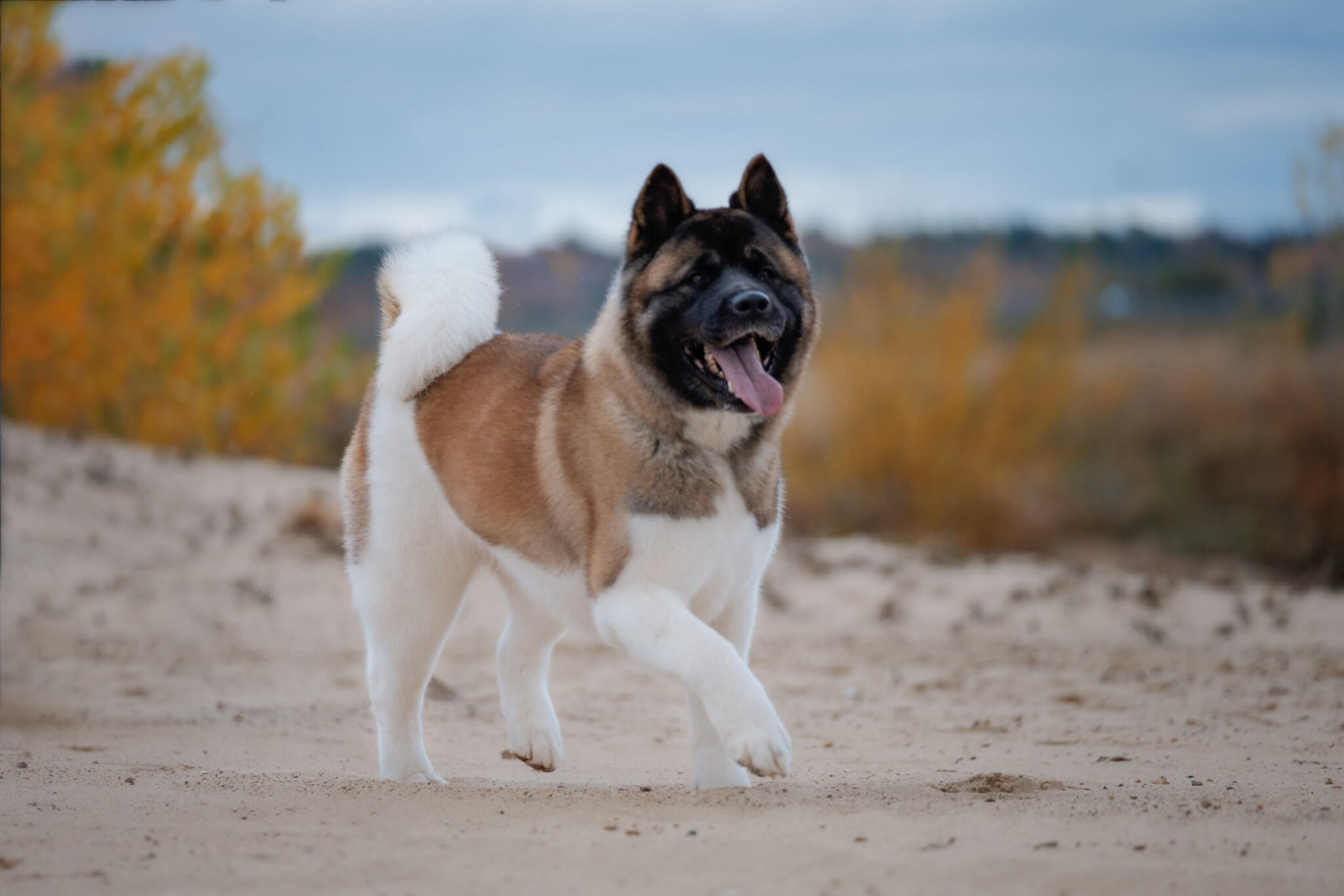
Wag! raves, “Sure, these exotic looking pups are exuberant and a joy to be around. But Akita parents should know that these pups love to be in charge. Start training at an early age so your pupster knows who is boss. This breed can also be aggressive towards other dogs and children. Like training, early socialization is super impawtant. Daily exercise helps keep this breed in line.”
“Akitas are large dogs that can become aggressive with other people or dogs unless they are extremely well-socialized. They are prone to killing small animals and are unlikely to tolerate a child’s teasing. Akitas can be great, protective family dogs when they are well-trained, well-socialized, and receive enough exercise,” exclaims iHeart Dogs.
2. Afghan Hound
Afghan Hounds are gorgeous with long and luxurious locks. They require advanced grooming and skincare. Pure Wow says, “Their long coats need to be brushed daily to prevent tangles and snarls. The kicker? They need to be bathed before you can groom. Afghan Hounds who are show dogs are bathed at least twice per week before a blow dry and brush. Brushing a dirty coat can lead to painful mats, so be prepared to bathe these dogs often, with high-quality products to keep their skin healthy and hydrated.”
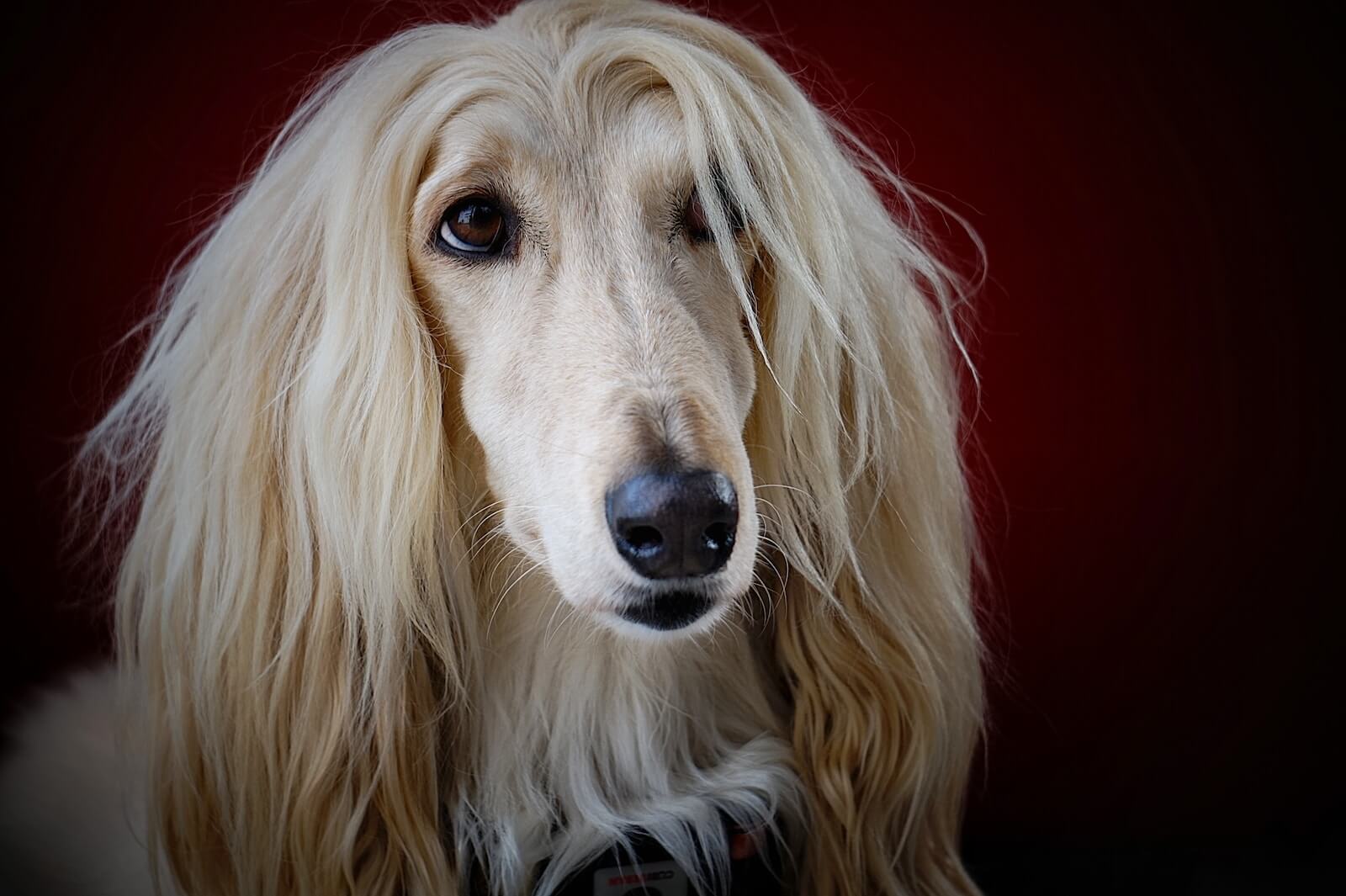
“The Afghan Hound is a high-maintenance dog due to their coat … Not only that, this is a breed that loves quick, crazy sprints and dog zoomies in the great outdoors. So, untangling, de-leafing, and leg-drying is going to be a daily and surprisingly time-consuming thing!” describes Purina.
“They need consistent and long walks or runs. They are an aloof and reserved breed that doesn’t welcome other pets or strangers. On top of that, they need high levels of grooming. They are really best for people who are very active themselves and are ready to dedicate a lot of time to taking care of them,” elaborates Hub Pages.
3. Australian Shepherd
The Australian Shepherd is a great dog for the ranch. Outside of a working role they can be a handful. These dogs require strenuous activity to burn off their vast reserves of energy. “This breed does best with an experienced owner who will be able to take charge and guide them. They’re not couch potatoes, so if you’re looking for a canine companion who will hang out on the sofa with you and just watch tv — this guy’s not your match,” adds Proud Dog Mom.

Yahoo! Life comments, “After he has brought in the morning newspaper, escorted the kids to the school bus, picked up their toys and dirty clothes from the floor and placed them in the appropriate receptacles, he’s ready to help you do yard work by fetching tools or digging out weeds in your garden. … You’ll wear out before he does unless you are equally active – and creative enough to keep him occupied.”
“If you’re unable to accommodate their active lifestyle, they’ll find other means to pass the time. That usually means running through the house, barking, chewing, and general destruction. Not to mention their coat. Aussies coats are thick and require plenty of grooming and maintenance,” details PlayBarkRun.
4. Belgian Malinois
Belgian Malinois dogs are another breed that requires hours of daily activity in order to use up their energy. Beyond that, they are exceptionally intelligent and can be destructive without adequate attention. The Spruce Pets explains, “A Mali requires a special type of home. If they aren’t given the opportunity to put their drive to use, they can become bored, stressed, mouthy, overexcitable, reactive, and overall, a big challenge. Dog sports are an ideal match for this canine’s energy and work ethic.”
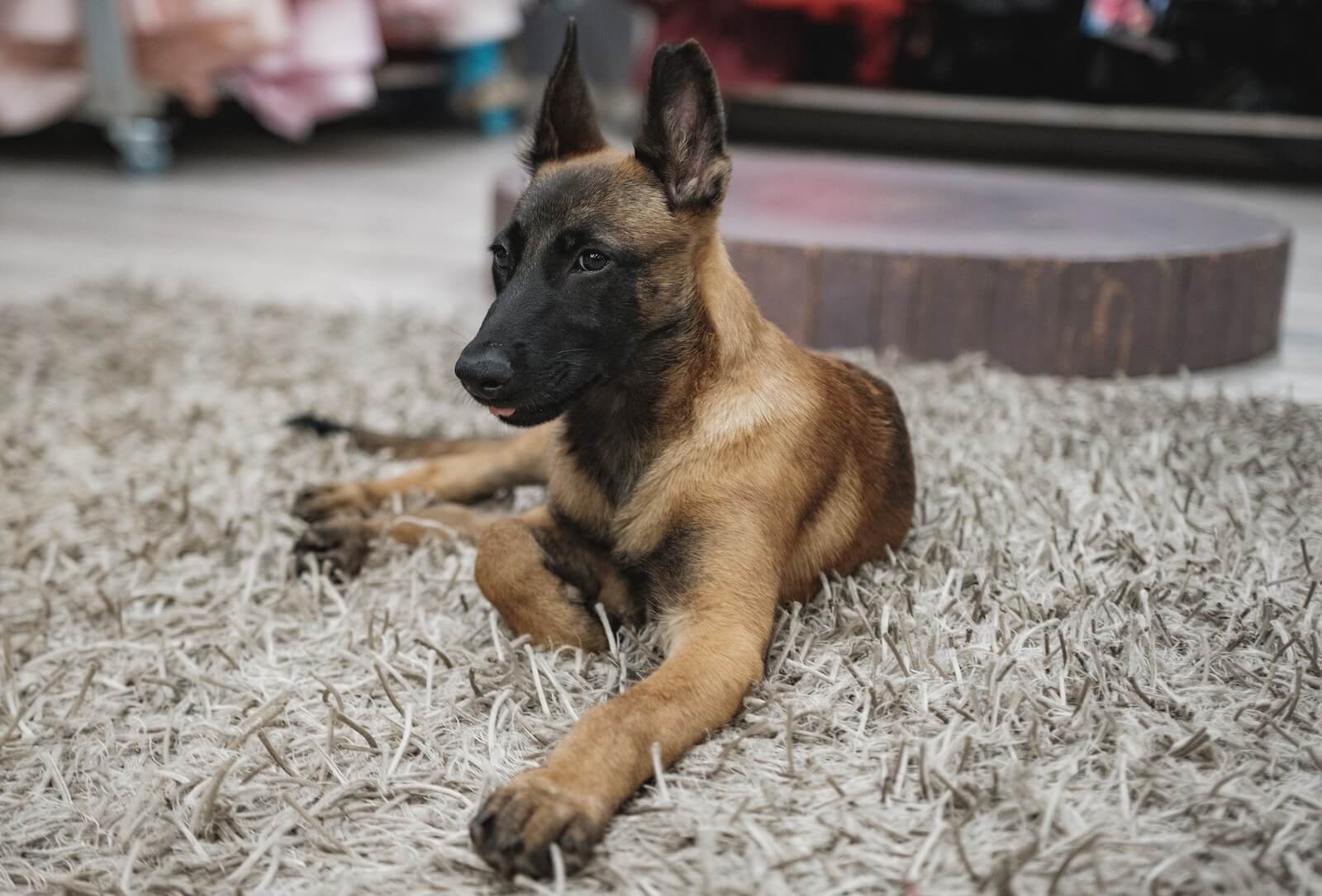
“It’s not uncommon to the Belgian Malinois work in military or police outfits. Without a job, things can get out of hand. Daily strenuous exercise and mental stimulation are required. Otherwise your Belgian will occupy their time by running, barking, digging, and destroying your home,” offers PlayBarkRun.
“The Belgian Malinois may be the right dog for you if you want one that wants to be with you all the time, play games with you, and use up energy. But you can’t leave them at home for long because they could get separation anxiety,” states Facts.net.
5. Border Collie
As seen with some of the other dogs on our list, high intelligence can often factor into high-maintenance needs. Border Collies are a prime example of this. “Be warned, a bored, under-stimulated Border Collie is no fun at all to live with – and can become anything from hyperactive to noisy to destructive to aggressive. This is a dog for the real canine enthusiast whose life will revolve around their dog,” reviews Purina.
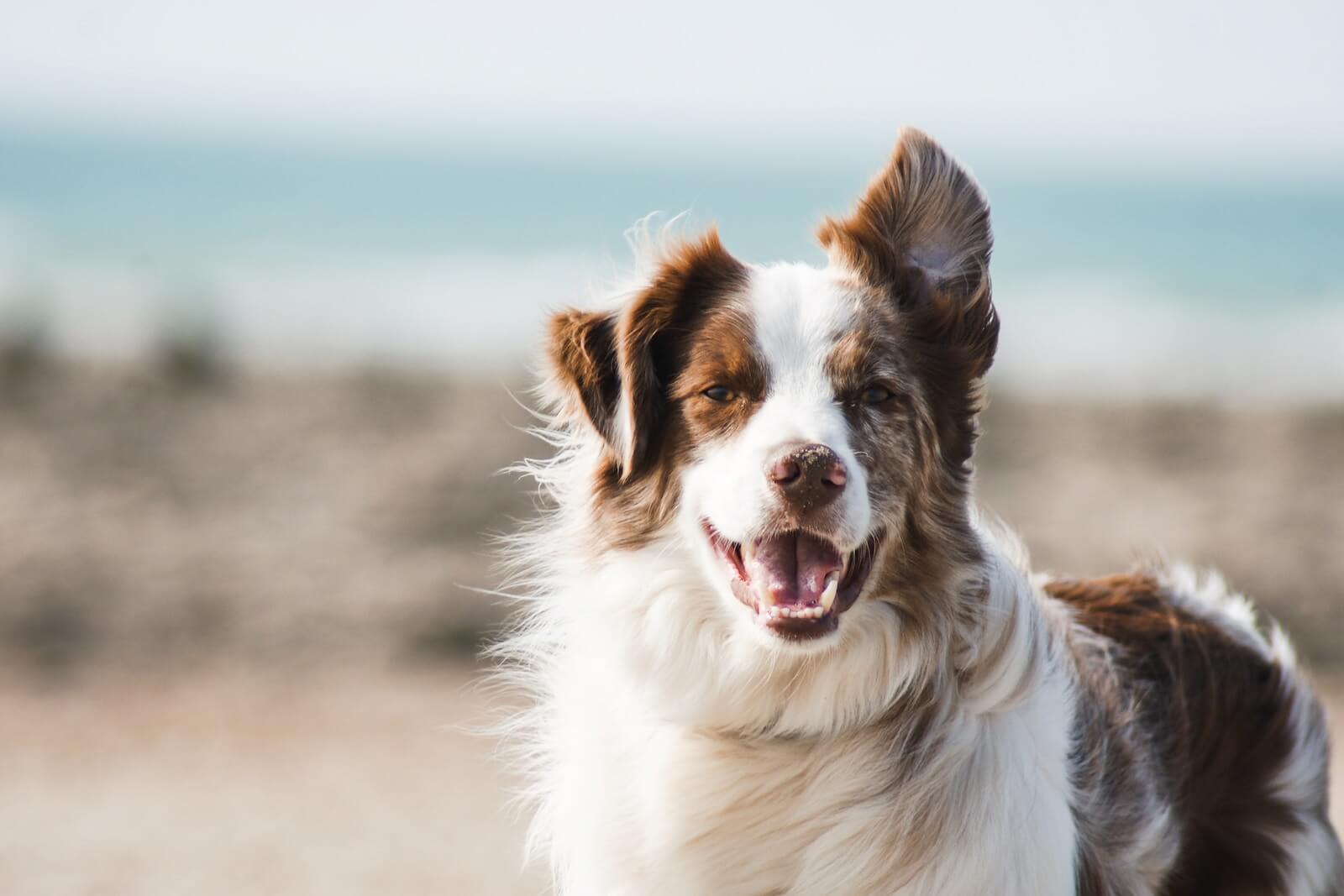
Y!life claims, “Often referred to as a canine Einstein, the Border Collie has a desire to work that borders on the obsessive. He will herd anything that comes his way – kids, cats, cars, even a bag of oranges that have spilled onto the floor… Be prepared to keep him busy with dog sports, activities around the house, regular training sessions and plenty of daily exercise.”
“Border Collies are extremely intelligent and are bred to run all day long. Often considered one of the smartest dog breeds, keeping a Border Collie entertained and exercised can be quite a chore for an owner who is not equally active. They do best when they are engaged in a dog sport such as agility or flyball to keep them learning, focused, and exercised,” relates iHeart Dogs.
You might also be interested in:
- Most Laid-Back Dog Breeds
- Best Dog Breeds for Country Living
- Best Dog Breeds for Kids
- Best Dogs for City Living
Sources:
- Facts.net
- Wag!
- iHeart Dogs
- Pure Wow
- Purina
- Hub Pages
- Proud Dog Mom
- Y!life
- PlayBarkRun
- The Spruce Pets
Note: This article was not paid for nor sponsored. StudyFinds is not connected to nor partnered with any of the brands mentioned and receives no compensation for its recommendations.


