
(Photo by Kathy Servian on Unsplash)
ATHENS, Ga. — White spots on monarch butterfly wings may help them fly better during long migration from Canada to Mexico, new research shows. This discovery sheds light on one of nature’s most remarkable journeys.
The narrative of how the monarch received its spots may appear as though it’s from one of Rudyard Kipling’s Just So Stories. However, the research indicates that butterflies with a larger number of spots are more adept at reaching their wintering destination. These spots are believed to alter the airflow patterns around the monarch’s wings, enhancing their flight efficiency. Remarkably, monarchs are the only insects known to embark on such an extensive journey.
“We undertook this project to learn how such a small animal can make such a successful long-distance flight,” says lead researcher Dr. Andy Davis of the University of Georgia, in a media release. “We actually went into this thinking that monarchs with more dark wings would be more successful at migrating because dark surfaces can improve flight efficiency. But we found the opposite.”
This awe-inspiring insect migrates over 3,000 miles from various locations across North America to hibernate in the oyamel fir trees within mountain forests. The mechanism by which an animal with a brain the size of a poppy seed navigates to this specific location has intrigued ecologists for years. Remarkably, monarchs with less black and more white spots on their wings were those who successfully reached their ultimate destination in south and central Mexico.
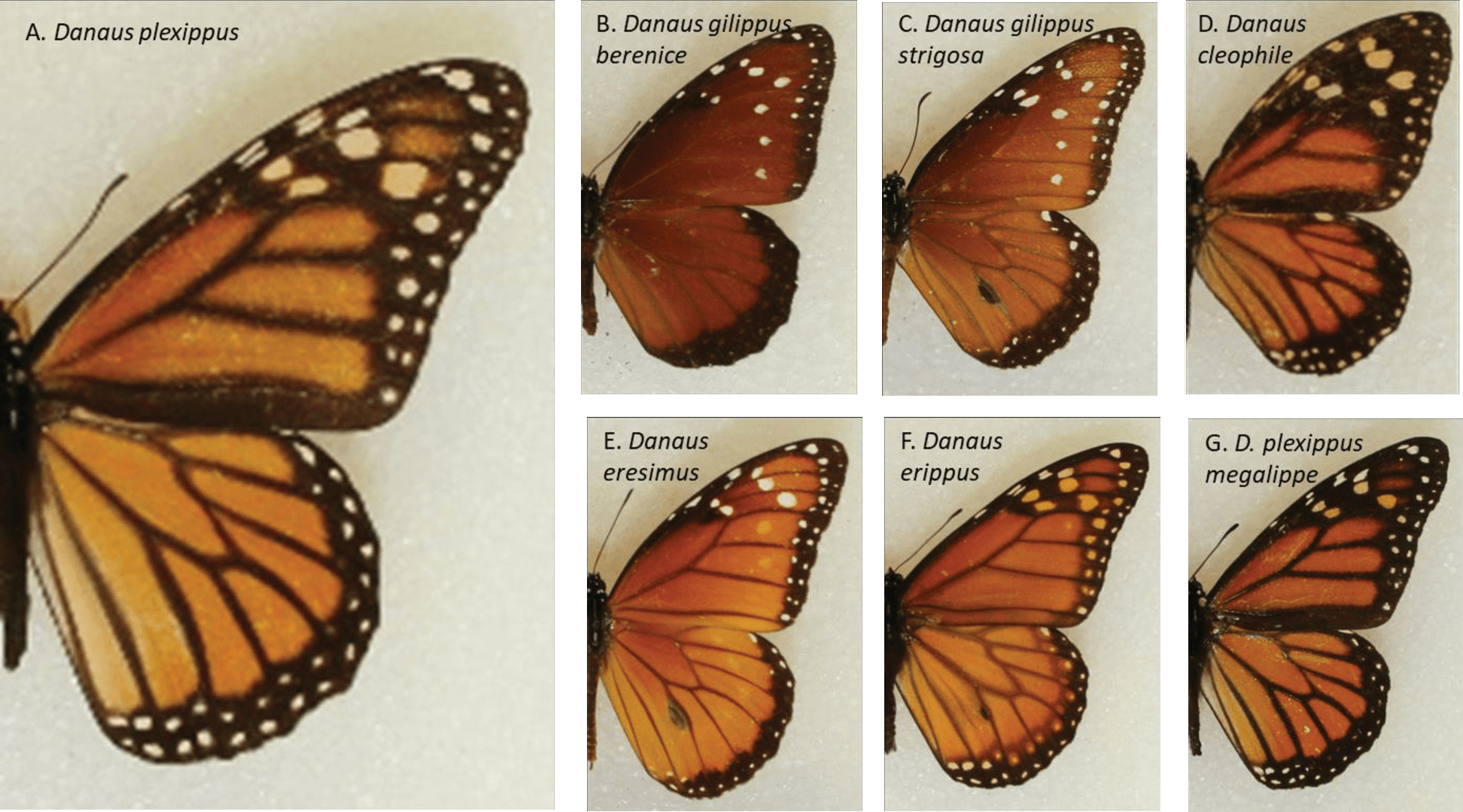
In the study, the research team examined approximately 400 wild monarch wings collected at different stages of their journey. The findings suggested that successful migrant monarchs had roughly three percent less black and three percent more white on their wings. A secondary analysis of museum specimens, including monarchs and six other butterfly species, revealed that the migrating monarchs had significantly larger white spots compared to their non-migratory counterparts.
The butterflies’ coloring may be related to the amount of radiation they absorb during their journey. Given the monarchs’ longer journey, they are exposed to more sunlight and hence have evolved to have more white spots.
“The amount of solar energy monarchs are receiving along their journey is extreme, especially since they fly with their wings spread open most of the time. After making this migration for thousands of years, they figured out a way to capitalize on that solar energy to improve their aerial efficiency,” states Dr. Davis.
However, with the escalating global temperatures altering the solar radiation reaching the Earth’s surface, the monarchs will likely need to adapt for survival.
“With greater solar intensity, some of that aerial efficiency could go away. That would be yet one more thing that is hindering the species’ fall migration to Mexico,” says. Dr. Davis.
Previous research suggested that the population of summer monarchs has remained relatively stable over the past quarter-century. This indicates that the species’ population growth during the summer offsets the butterfly losses due to migration, winter weather, and changing environmental factors.
“The breeding population of monarchs seems fairly stable, so the biggest hurdles that the monarch population faces are in reaching their winter destination. This study allows us to further understand how monarchs are successful in reaching their destination,” concludes Dr. Davis.
The findings are published in the journal PLOS ONE.
South West News Service writer Mark Waghorn contributed to this report.


