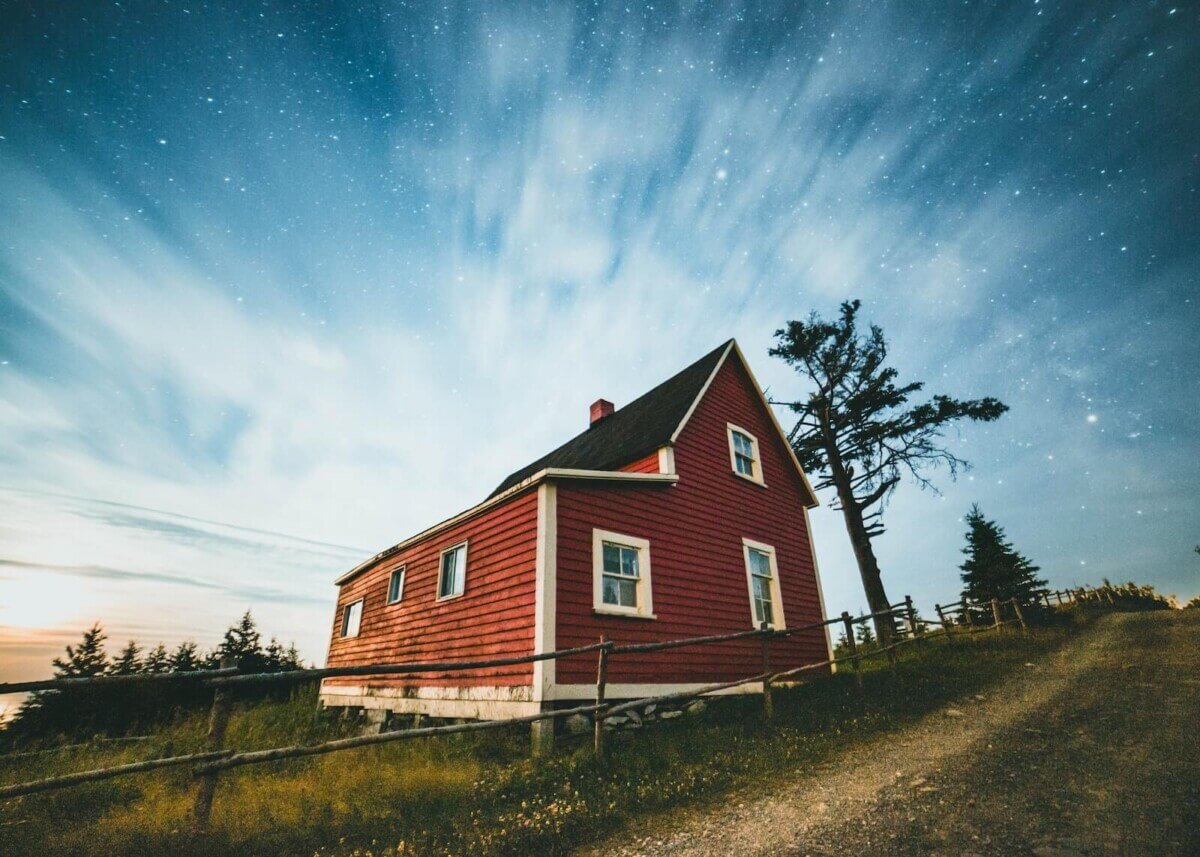
Photo by Jonathan Cooper from Unsplash
HOUSTON — The grass (or pavement) is always greener. Plenty of people who live in cities dream of one day packing their bags and retiring to a much more natural setting filled with wide open spaces, but many residing in more rural regions often wonder about life in a big city. While both settings have their ups and downs, researchers from the University of Houston are encouraging more people to pack up and head toward more urban areas.
Their study finds that Americans who live in rural areas tend to be more anxious and depressed, less open-minded, and more neurotic. Additionally, people living “in the country” displayed lower levels of life satisfaction and less purpose, or meaning in life, than those living in urban areas.
Importantly, the project also highlights disparities in access to mental health services as a potential major factor driving these psychological differences.
Mental health resources are disappearing in the countryside
Since 2010, there has been a surge in rural hospital closures, contributing to a reduction in the health care provider workforce – including, of course, mental health professionals. Close to 85 percent of all rural counties are dealing with a mental health professional shortage, despite rural residents actually requesting more psychological services.
“It will be critical to improve access to psychological services in remote areas and to identify how characteristics and values of rural communities can be leveraged to promote positive psychological health,” says Olivia Atherton, assistant professor of psychology, in a university release.

To conduct this research, Prof. Atherton analyzed data collected by two large longitudinal studies of U.S. Americans: Midlife in the United States (MIDUS) and the Health and Retirement Study (HRS). She focused heavily on whether there were any rural-urban differences in levels and changes among both the “Big Five” personality traits (extraversion, agreeableness, openness, conscientiousness, neuroticism) and well-being (psychological well-being, life satisfaction) across all of adulthood.
This work also provides important new insights regarding the impact of living environment, indicating that where people live can indeed impact personality and well-being in adulthood, all while simultaneously raising more questions that future work should explore.
“Given the far-reaching consequences of rural health disparities for individuals, families and communities, there is a pressing need to identify the psychological, social and structural mechanisms responsible for disparities and the ways in which to intervene upon those mechanisms to improve the health of rural Americans,” Prof. Atherton concludes.
The study is published in the Journal of Personality.
You might also be interested in:
- Children raised in rural areas have better motor skills than urban children
- The simpler life? Pandemic pushing more city dwellers to move to the country
- Return to the city? Living in the country could be the worst thing for your heart
- Leaving the city for the suburbs during pregnancy might lead to smarter children
- Living near a busy road can raise risk of premature death by 20 percent
- Green and blue spaces together provide even bigger boost to mental health
- Living near a major road linked to a host of neurological disorders
- Living near green spaces linked to lower rate of smoking, better odds of quitting


