
A bright field image of a testicular organoid created from mouse embryos and incubated in a dish for 14 days. The tubular structures formed in the dish are clearly visible. (credit: Cheli Lev)
???? Key Findings:
- Scientists have created lab-grown organs that work like testicles
- Tests show that the organoids developed tubules that may produce sperm
- The lab-grown organs remained usable for up to 9 weeks
RAMAT GAN, Israel — Scientists have successfully grown working “testicles in a dish” that could one day help solve male infertility, which affects one in 12 men worldwide. Researchers at Bar-Ilan University in Israel produced tiny organoids – artificial miniature organs – that closely mimic the structure and function of natural testicles. These lab-grown organs, cultured from cells sampled from mouse testes, formed small tubules that parallel the sperm-producing seminiferous tubules found in real testicles.
“Artificial testicles are a promising model for basic research on testicle development and function, which can be translated into therapeutic applications for disorders of sexual development and infertility,” says lead researcher Dr. Nitzan Gonen, of the BIU Goodman Faculty of Life Sciences and the Institute of Nanotechnology and Advanced Materials, in a statement.
Research shows one in eight couples encounter problems when trying to conceive a child, and in around half of cases the issues lie with the male partner. Low sperm count or poor sperm quality can have multiple causes, including genetic defects, hormonal imbalances, and damage from cancer treatments. Growing artificial testicles offers scientists a unique window into understanding and potentially treating these disorders.
Mimicking Male Virility
The testis performs two key jobs in men – producing sperm and synthesizing the hormone testosterone. Abnormal development or function of the testicles can therefore lead to fertility problems or ambiguous genitalia at birth. Recreating these organs in the lab provides researchers with a ready supply of biological materials to delve into the intricate processes of male sex determination and sperm production. Organoids of the brain, kidneys, intestines, and other organs have already been produced in other studies.
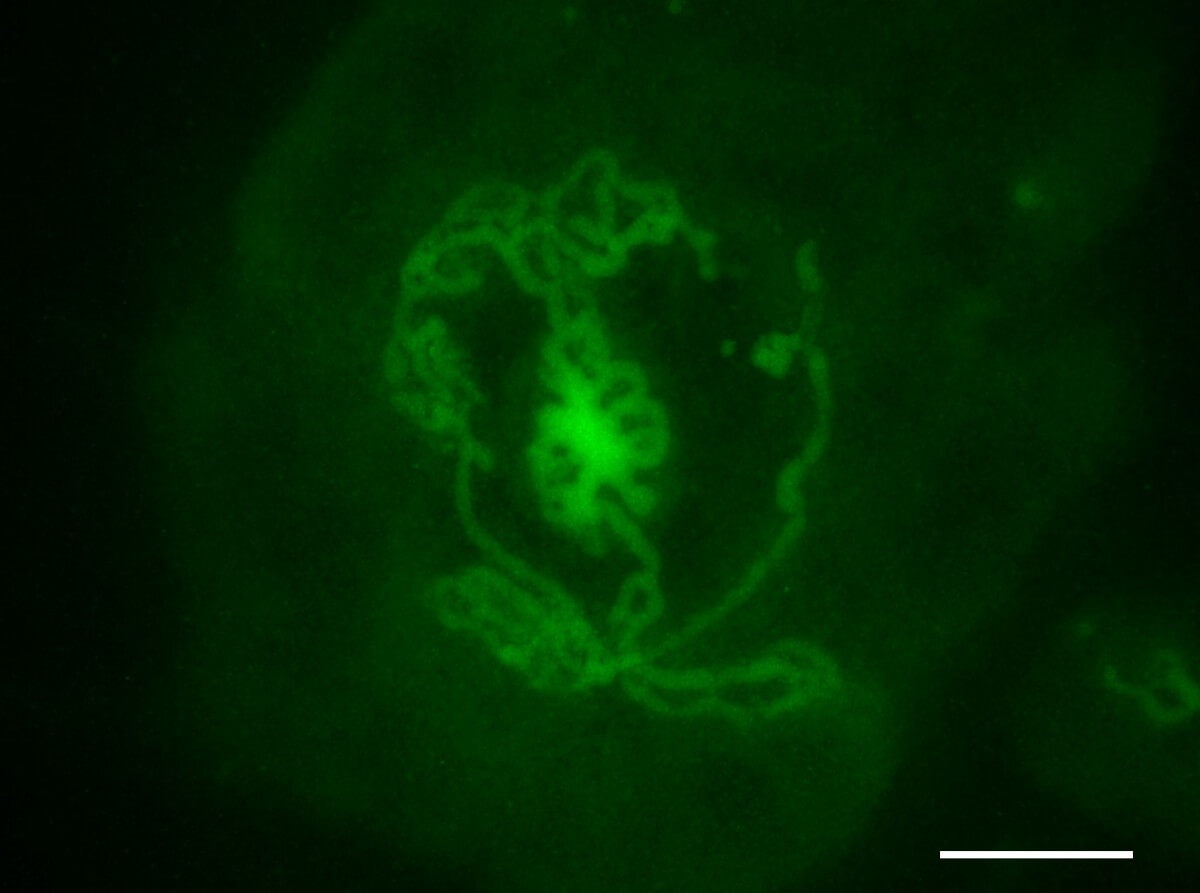
The team cultured organoids by first extracting immature testicular cells from neonatal mice. They placed these cells in a specialized gel medium that encouraged them to self-organize into tiny organ-like structures. Amazingly, after just two days the cells began clustering together to form primitive tubules. Over two months in culture, these tubules developed clear structural similarities to the sperm-producing seminiferous tubules in adult mouse testes.
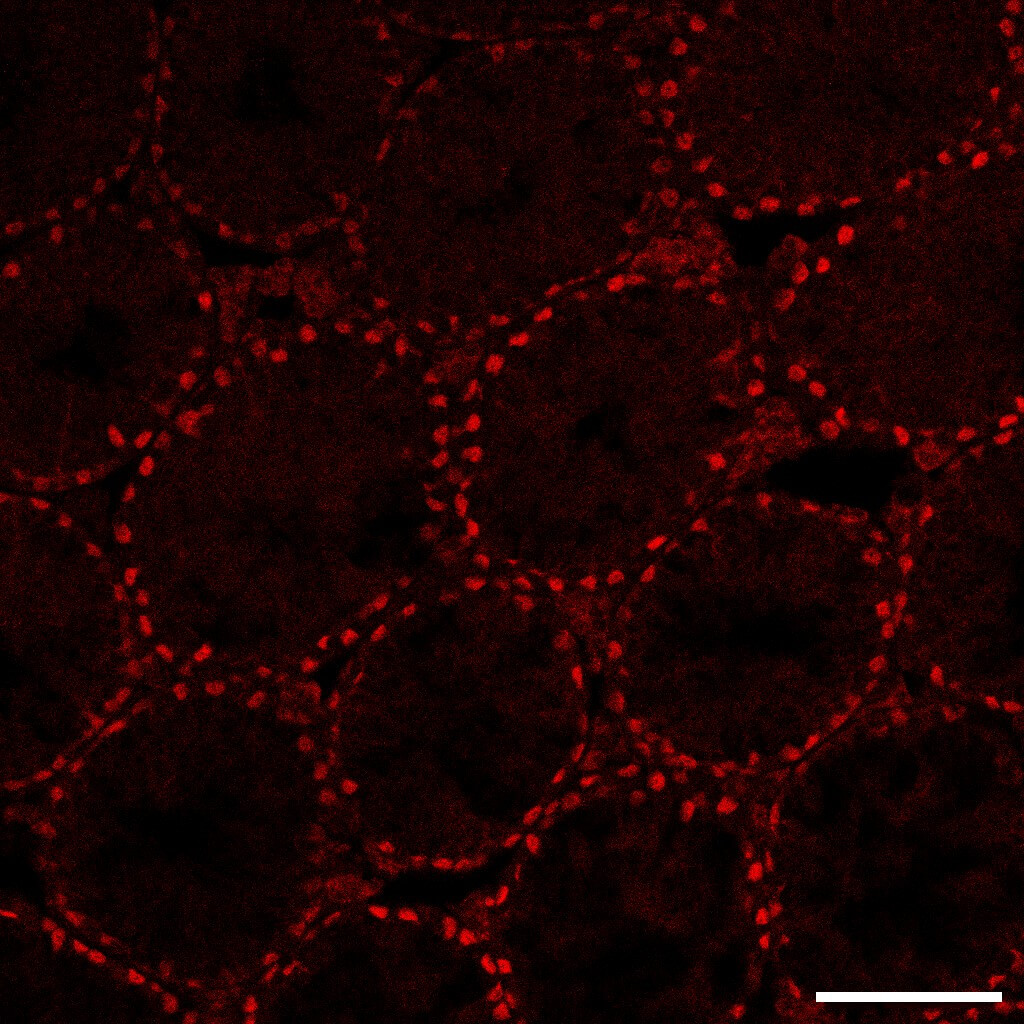
In the testis, maturing sperm cells migrate along the convoluted seminiferous tubules, surrounded by nurturing Sertoli cells that support their development. The channels in the lab-grown organoids strongly resembled these intricate tubular networks, lending hope that they too could one day produce sperm.
The organoids remained viable in culture for up to nine weeks – long enough, theoretically, for sperm generation and release to occur. In mice, the entire process takes around 34 days. Over this extended growth period, the team noticed initial signs that meiosis had commenced.
Meiosis is the special type of cell division that halves the number of chromosomes in each reproductive cell, prepping them for fertilization by the opposite sex cell. Spotting early meiotic indicators suggests the organoids were successfully maturing in the dish.
Study authors don’t yet know if the existing model will actually produce sperm cells, but the signs of the beginning of meiosis are promising.
Gametes are reproductive cells carrying half the normal number of chromosomes. Sperm and egg cells fall into this category. Their union at fertilization grants the embryo a full chromosome quota. So glimpsing the initial stages of meiosis in the cultured organoids implies the tubules are equipping cells for their probable sperm-producing duties.
From Mice to Men
While still at an early stage, the artificial testicles were cultured from mouse cells only. However, the method shows enough promise that the team now plans to trial the technique using human samples as well.
In particular, they hope to help childhood cancer sufferers whose treatments often irreparably damage immature reproductive tissues. By taking a biopsy from boys before destructive therapies commence, they aim to grow personalized testicular organoids that may one day restore fertility.
A testis produced from human cells, for example, could help children being treated for cancer, which may impair their ability to produce functional sperm. As children are too young to produce their own sperm, these samples can be frozen and used in the future to have children.
This approach neatly sidesteps ethical conundrums associated with controversial embryo-derived stem cells, while offering new hope to prepubescent patients. The team now strives to extend testicle growth periods to generate mature sperm in the lab for frozen storage and later use. Early meiotic signs cede hope this sci-fi scenario may yet shift into reality.
So, watch this space. With patience and perseverance, the seeds of new life may one day sprout in sterile dishes. Thanks to scientists who’ve succeeded in literally growing a pair, test-tube testicles could prove a lifeline for aspiring fathers lacking viable sperm of their own.
The study is published in the International Journal of Biological Sciences.


