(© Monkey Business - stock.adobe.com)
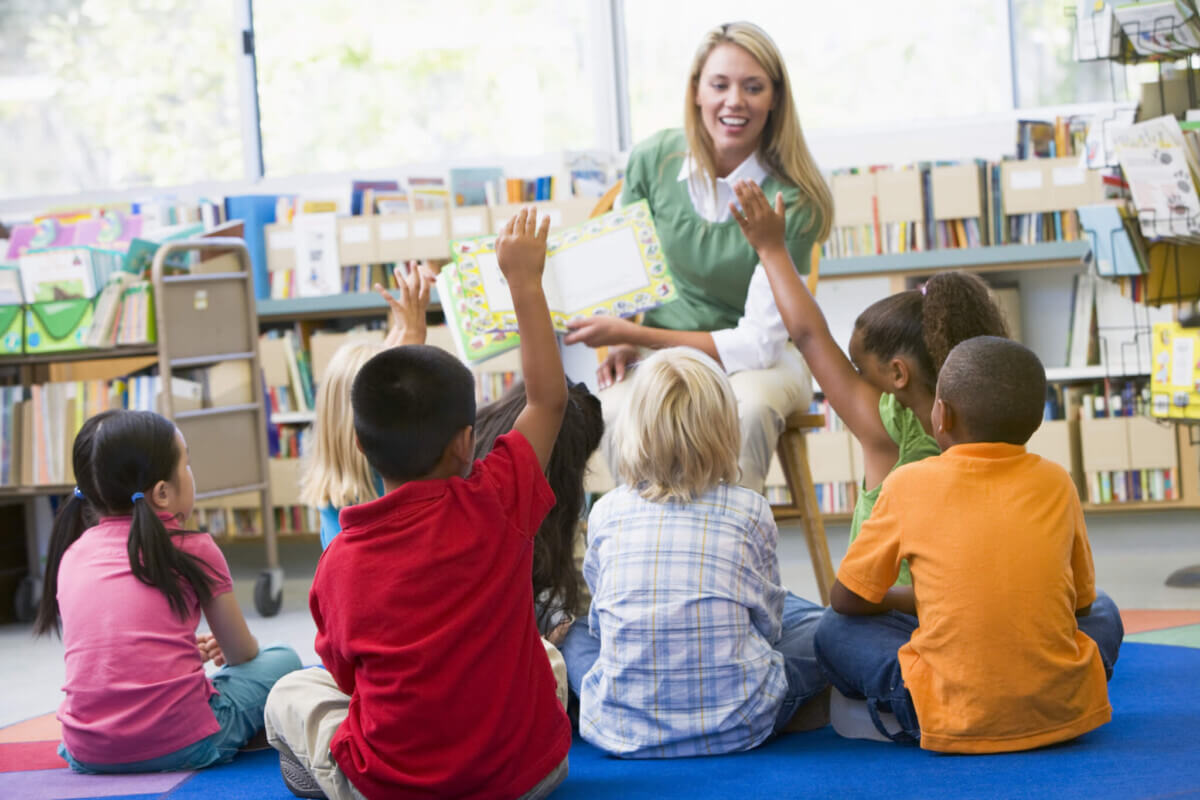
COLUMBUS, Ohio — No pressure, kids. Researchers from The Ohio State University reveal that the first few months of kindergarten play a critical role in a child’s academic success.
The study involved 626 kindergarten students across 64 classrooms in 15 schools within a large district in Ohio. It is part of the larger “Early Learning Ohio” project, which focuses on children’s learning and social development from pre-K through third grade. Researchers emphasized the significance of this “big little leap” for all children, regardless of their initial readiness.
“Transition difficulties hurt children’s development, regardless of the initial readiness skills that they entered with,” says study lead author Jing Sun, a research specialist at Ohio State’s Crane Center for Early Childhood Research and Policy, in a university release. “Even those who are most ready for school will be affected if they encounter difficulties in the transition.”
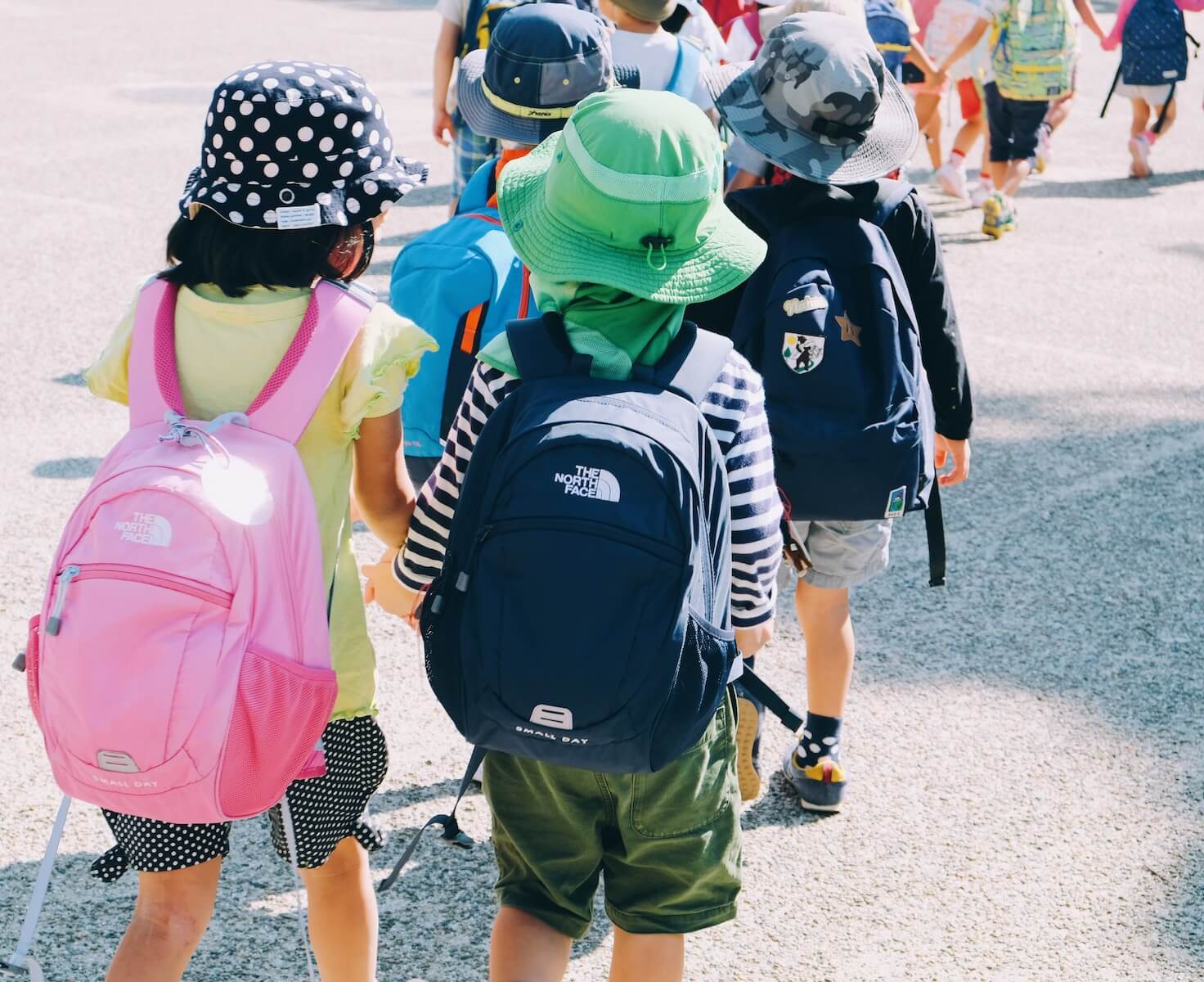
This finding is particularly important, considering a recent Ohio State study indicated that up to 70 percent of kindergartners face some kind of challenge during this transition. The study assessed children’s transition difficulties 10-14 weeks into the school year, focusing on five areas: academics, making friends, working within groups, being organized, and following schedule, and routine. Teachers rated each child, and the children also underwent assessments of their math, reading, and social-behavioral skills at the beginning and end of the school year.
Results showed that children who had fewer difficulties adapting at the start of kindergarten made more significant gains in math, reading, and social-behavioral skills by the end of the year. This was true even when considering their initial readiness and other factors influencing skill development.
The study highlights the importance of the kindergarten transition in two key ways. First, children with transition difficulties may face disruptions in forming connections with teachers and peers, crucial for supporting their learning and social development.
Second, it suggests a need for greater alignment and communication between pre-K and kindergarten education. According to the Crane Center, preschoolers spend significantly more time in free play and less in language and literacy instruction compared to kindergartners, a discrepancy that some children find challenging to cope with.
Sun advocates for closer collaboration between preschool and kindergarten teachers. Moreover, she suggests that schools should develop interventions to support children who struggle with adjusting to kindergarten, as these could benefit not only the individual children but also the entire classroom environment.
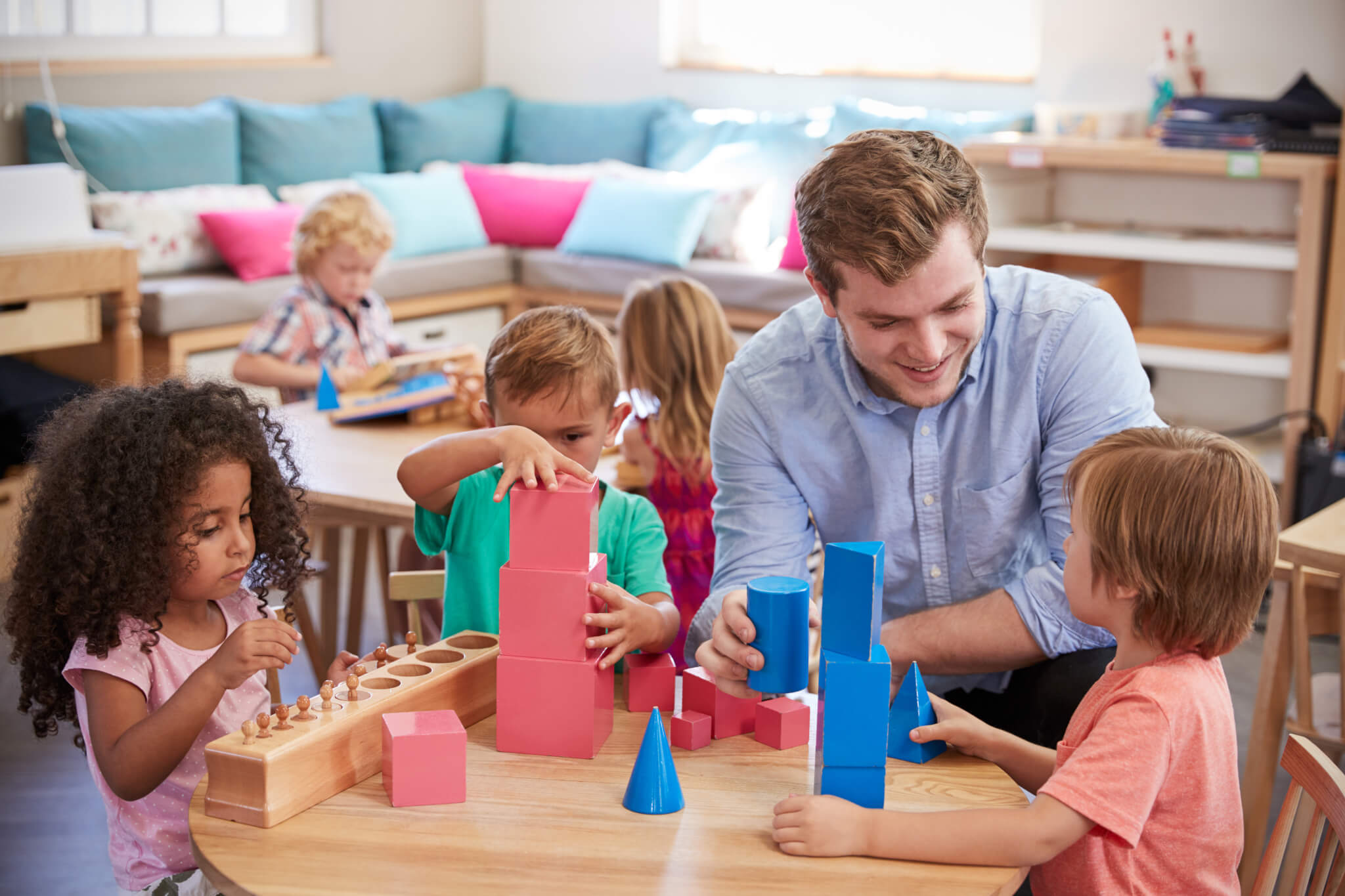
“We need to make sure that preschool and kindergarten instruction is more aligned,” notes Sun. “There’s a drastic change between the two that some children have difficulty coping with.”
“Interventions for children with transition difficulties will not only help them, but it could also lessen disruptions in classroom learning that hurt all students,” Sun concludes.
This research is supported by the Institute of Education Sciences. The study is published in the journal Early Childhood Research Quarterly.
You might also be interested in:
- Children who spend lots of time in nature see greater overall development
- Best Children’s Books Of All Time: Top 7 Classic Titles Most Recommended By Experts, Parents
- 10 Ways to Select the Best Kindergarten Private School
- Reading is fundamental: Children who love books are happier, more physically active


