
(Photo by Markus Spiske)
KONSTANZ, Germany — Any athlete will attest that heading out on the road and playing games in front of a rival team’s fans can be tough. However, new findings out of Germany suggest that some basketball players have faced hostile crowds at home as well. Researchers report that during the 2020-2021 NBA season — coinciding with President Donald Trump’s failed re-election bid — immigrant pro athletes playing for teams in regions with stronger far-right political sentiments were more likely to make in-game errors.
All in all, researchers from Konstanz University say their findings highlight the possible detrimental effects of xenophobic views on immigrant workplace performance — both on the playing field and in the office.
Earlier studies have found that in areas with strong support for far-right political ideologies, immigrants, in general, tend to face more prejudice and discrimination than in other regions. Prior evidence also indicates that simply being exposed to anti-immigrant propaganda can influence and hamper an immigrant’s performance on various tasks. Conversely, prior studies have found exposure to negative stereotypes about a certain group of people or demographic may boost the performance of people outside that group.
So, with all of that earlier research in mind, Benjamin Korman, Florian Kunze, and their team hypothesized that living in areas with far-right views may increase immigrants’ awareness of the possibility of being judged negatively, which can eventually disrupt their attention and lead to more errors in the workplace.
To put their hypothesis to the test, they analyzed a dataset encompassing all 522 US-based NBA players’ game performance following the 2020 election campaign of Donald Trump.
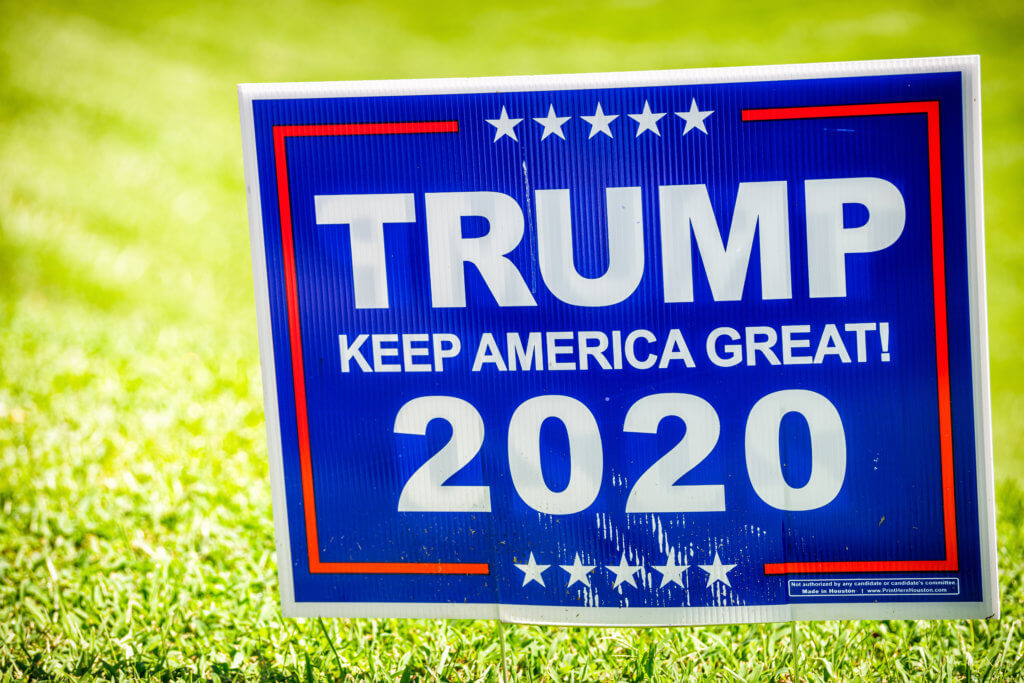
This approach led to the discovery that immigrant players on teams based in regions with a higher percentage of presidential votes for President Trump were indeed more likely to make performance errors than immigrant players in regions with less Trump support. Conversely, the opposite was seen for native players in the far-right regions. All of these findings held up even after the research team statistically accounted for multiple other factors that could impact performance, including age, position, ball-possession time, number of possessions, salary, and minutes played.
While this work alone cannot confirm a cause-effect relationship, it does provide real-world evidence supporting the research team’s original hypothesis. Based on these results, researchers believe organizations should take concrete steps to insulate employees from regional far-right views. For example, by banning employees from wearing politically charged clothing or promoting inclusive environments.
Study authors note this work also addressed gaps in management research, which has historically ignored immigrant employees (even highly-skilled workers) and the influence of the local political scene.
“Using data on NBA players, this study highlights how the political environment external to organizations may seep into them, differentially affecting their immigrant and native members,” researchers write in a media release.
The study is published in the journal PLoS ONE.
You might also be interested in:
- Election Day 2023: Why are U.S. politicians so old? And why do they want to stay in office?
- Are politicians too old? American democracy failing under aging leaders, study argues
- Donald Trump in court: Do unbiased jurors exist in the age of social media?
- Cracking under pressure: Psychological stress really does make pro athletes fail


