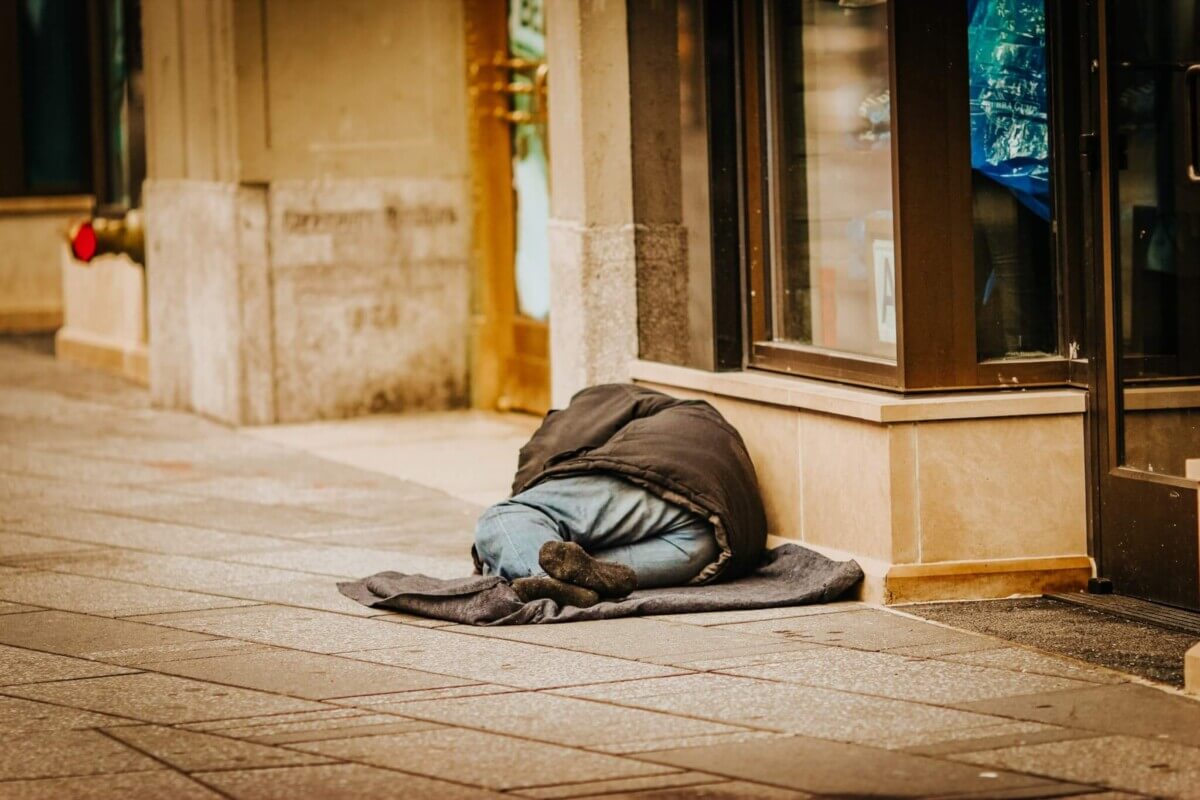
(Photo by Jon Tyson on Unsplash)
SAN FRANCISCO — A troubling new study showcases the dangers of being homeless. Researchers from the University of California-San Francisco have discovered that people experiencing homelessness face a staggering 16-fold higher risk of sudden death from heart attacks and other causes.
The research focused on San Francisco County, an area known for its high concentration of homeless individuals, and revealed that the rate of sudden cardiac death among this vulnerable population is seven times higher than that of the general public.
The findings have prompted urgent calls for public policy measures and access to life-saving devices, such as defibrillators, to improve the health and well-being of those living on the streets.
“Homeless individuals die young, at a mean age of 50 years,” says corresponding and study senior author Dr. Zian H. Tseng, a cardiologist and professor of medicine at UCSF, in a university release. “Our study sheds light into the contribution of sudden death to the homeless population. We found both cardiac and non-cardiac causes, such as overdoses and unrecognized infections, are much higher among homeless individuals dying suddenly.”
“These findings offer several novel insights into the profound impact of homelessness on sudden death and its underlying causes,” Dr. Tseng emphasizes.
The research involved a comprehensive analysis of autopsies conducted on 868 individuals who experienced sudden deaths in the county, with 151 of them identified as homeless. Notably, homeless individuals were younger, with an average age of 56 compared to 61 for housed individuals. They also had a higher proportion of males, a greater prevalence of alcohol and substance use, and a higher incidence of psychiatric conditions, particularly schizophrenia and bipolar disorder.

The study found that homeless individuals most frequently died from non-cardiac causes, such as drug overdoses, gastrointestinal disorders, and infections. In contrast, their housed counterparts experienced more arrhythmic causes of sudden death. Importantly, paramedic response times were similar for both population groups.
“While the high rate of substance use in the homeless population has long been recognized, our study demonstrates its association with early, sudden mortality and its true impact among the homeless,” says study first author Dr. Leila Haghighat, a cardiology fellow at UCSF.
Dr. Haghighat suggests potential public health interventions to address this pressing issue.
“By contrast, housed individuals more closely reflected the classic profile of sudden death that modern medical systems aim to resuscitate and prevent,” she says. “Public health interventions such as increasing the availability of automatic external defibrillators and redoubled efforts to treat substance use and targeted immunization efforts might be helpful to reduce sudden mortality.”
The study is published in the journal JAMA Internal Medicine.


