(Credit: © Anna Shalamova | Dreamstime.com)
MINNEAPOLIS — Neurological conditions affect over 3 billion people worldwide, prompting a significant shift in how medical professionals approach brain health. The American Academy of Neurology (AAN), representing the world’s largest association of neurologists and neuroscience professionals, has introduced a comprehensive initiative focusing on prevention rather than just treatment.
Published in the January 2025 issue of Neurology, this research introduces the “SAFEST BRAINS” framework, intended for doctors to help patients maintain a sharp and healthy mind throughout life. The framework addresses sleep, affect (mood), food and nutrition, exercise, social interactions, trauma prevention, blood pressure, risks, insurance affordability, negative exposures, and social determinants of health.
This approach represents more than just a catchy acronym – it’s a systematic method for preserving cognitive function from early childhood through advanced age.
Central to this initiative is a set of 12 evidence-based screening questions designed for clinical visits. These questions help healthcare providers assess various aspects of brain health, enabling early intervention and prevention of neurological conditions.

Are you able to get sufficient sleep to feel rested
The first crucial area of assessment focuses on sleep quality. When patients are asked this, the answer often reveals critical insights. Sleep disorders can significantly impact memory, mood, and pain perception, making this question far more important than it might initially appear.
Do you have concerns about your mood, anxiety, or stress?
Mental health emerges as another vital component, addressed through the gentle but direct question. This query becomes particularly significant given that mood disorders rank among the leading contributors to global health loss, especially in patients with neurological conditions.

Do you have concerns about getting enough or healthy enough food, or have any questions about supplements or vitamins?
Nutrition takes center stage with this next question. This isn’t just about diet – it’s about understanding how food insecurity links to increased prevalence of neurological disorders, a connection that has become increasingly clear in recent research.
Do you find ways to fit physical exercise into your life?
Physical activity, assessed through this question, addresses a growing concern. Despite overwhelming evidence that regular exercise promotes neurogenesis and suppresses neuroinflammation, nearly one-third of people worldwide fail to meet minimum recommended activity levels.

Do you have regular contact with close friends or family, and do you have enough interpersonal support?
This next question reflect mounting evidence that social networks significantly influence brain health. Research shows that maintaining supportive social connections can reduce the incidence of dementia and slow cognitive decline.
Do you wear seatbelts and helmets, and use car seats for children if you have them?
The protocol also addresses safety concerns in the car. This seemingly simple inquiry opens discussions about traumatic brain injury prevention, a critical aspect of brain health often overlooked in traditional medical screenings.
Have you had problems with high blood pressure at home or at doctor visits, or do you have any concerns about BP treatment or getting a BP cuff at home?
When it comes to cardiovascular health, doctors should ask patients about blood pressure. This screening reflects mounting evidence t, that sustained hypertension can damage cerebrovascular health and impair the brain’s ability to clear toxic metabolites.

Do you have trouble controlling blood sugar or cholesterol? Is there a neurologic disease that runs in your family?
The next inquiry focuses on genetic and metabolic risk factors. This question acknowledges the significant impact that metabolic health and genetic predisposition can have on neurological outcomes throughout life. Have you checked your cholesterol or blood sugar levels recently?
Do you have any trouble with the cost of your medicines?
Healthcare accessibility emerges as a critical concern. It’s espcially important for doctors to ask this question as it addresses a growing challenge in neurological care. Treatment costs continue to rise, with 2023 seeing a 15% increase in medication expenses for neurological conditions compared to the previous year.
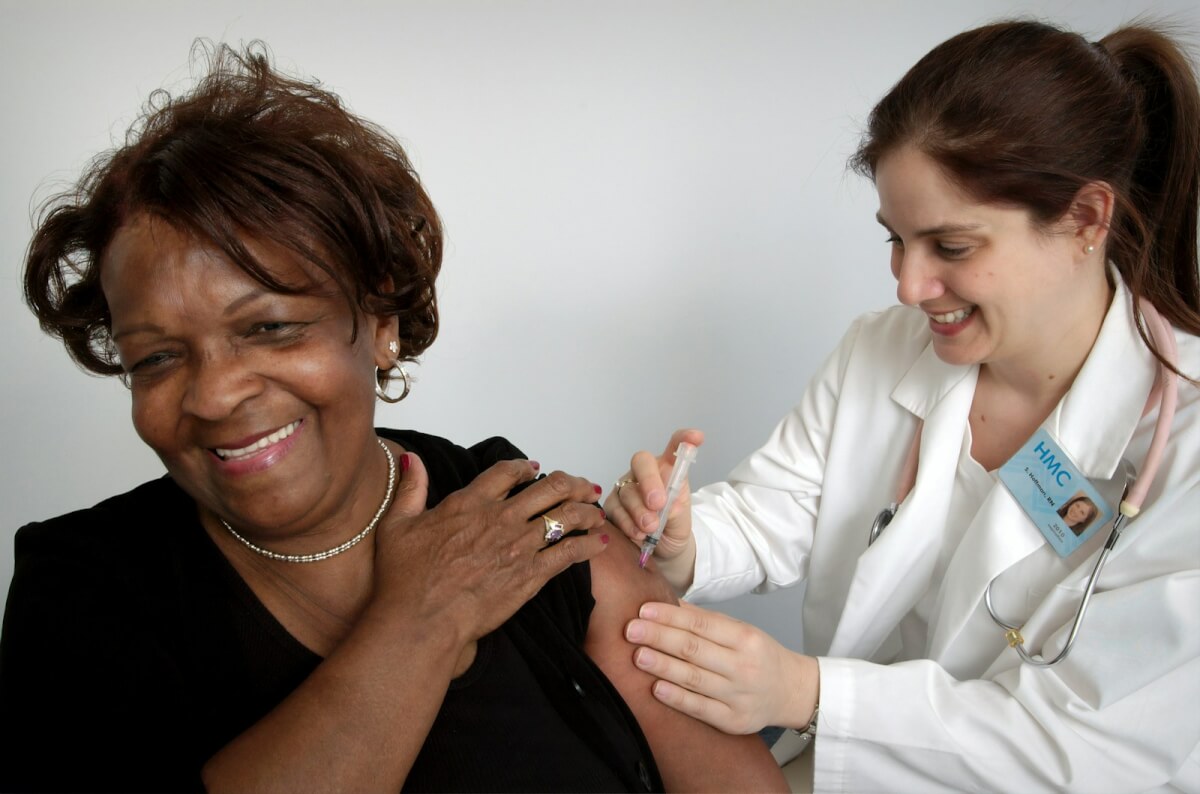
Are you up to date on vaccines, including MMR, COVID-19, and shingles, and do you have enough information about those vaccines?
This very important question dedicates attention to preventive care for individuals who feel comfortable with vaccinations. This screening reflects the vital role of infection prevention in maintaining optimal brain health throughout life.
Do you have concerns about keeping housing, having transportation, having access to care and medical insurance, or being physically or emotionally safe from harm?
The final screening question addresses broader societal factors, recognizing that structural and social determinants of health profoundly influence neurological outcomes.
Implementation of these screening questions represents a significant step toward standardized brain health assessment. However, the researchers emphasize that these questions should serve as conversation starters rather than rigid protocols, allowing healthcare providers to adapt their approach based on individual patient circumstances.
The AAN initiative suggests incorporating these screenings into regular clinical visits, potentially using a documentation tool that helps track responses over time. This systematic approach enables healthcare providers to identify potential risks early and implement preventive measures before significant problems develop.
“Neurologists are the experts in brain health, with the training and insight needed to help you keep your brain in top shape throughout life,” says American Academy of Neurology President Dr. Carlayne E. Jackson, in a statement. “The American Academy of Neurology’s Brain Health Initiative is leading the way, improving brain health for all by providing neurologists with important information on preventive neurology.”
As neurological science continues to advance, this preventive approach may become as routine as annual physical examinations. The challenge now lies in ensuring equitable access to these preventive measures across all populations, recognizing that brain health is not merely a medical concern but a fundamental aspect of human well-being.


