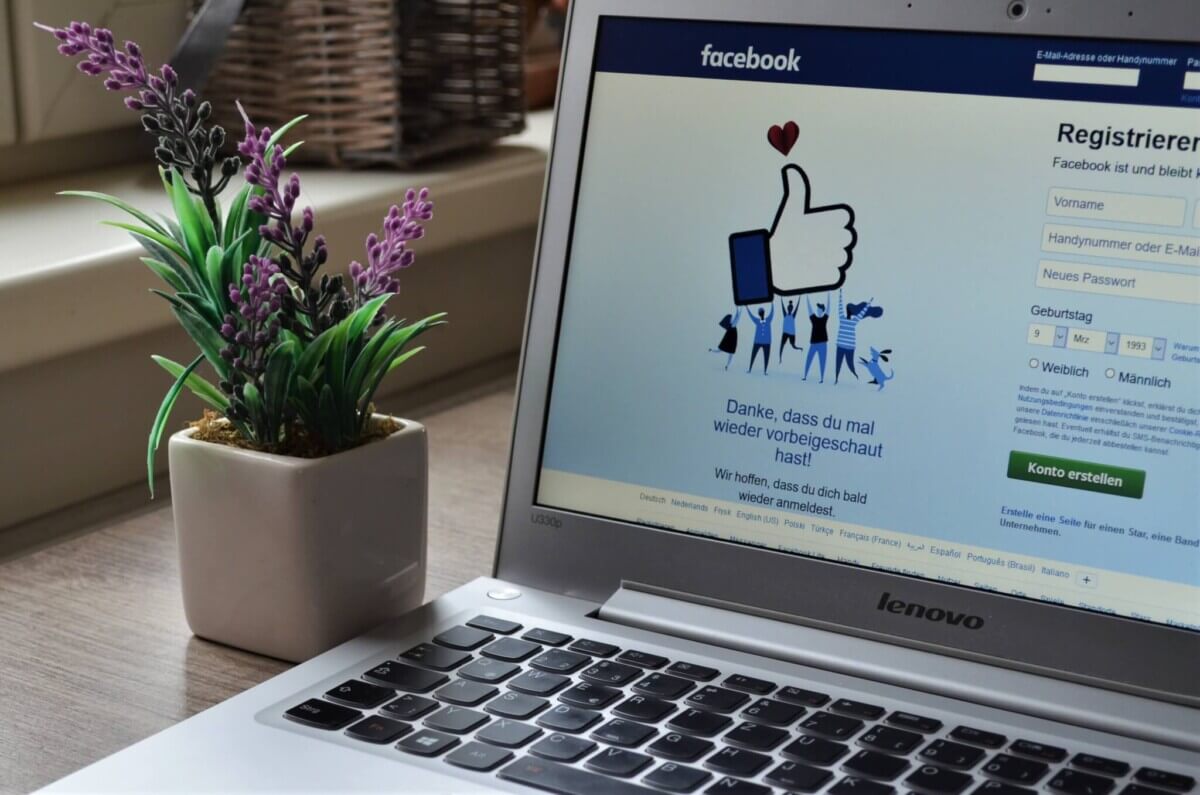
EAST LANSING, Mich. — There’s no shortage of research pointing to the downsides of too much time on social media. But could a daily Facebook session actually be good for mental health? A new study claims that spending time on social media regularly may make us happier and improve our psychological well-being.
It’s safe to say that Facebook’s honeymoon period is long over. The site enjoyed a meteoric rise in popularity in the mid-to-late 2000s and paved the way for newer social media platforms like Instagram and Snapchat. Generally considered the blueprint for modern social media (MySpace who?), Facebook has been a staple of American society for over a decade.
However, the last few years haven’t been especially kind to Facebook; between the Cambridge Analytica data-sharing scandal last year and Mark Zuckerberg’s awkward congressional hearing, the social network’s PR has certainly seen better days. On top of all that, there is a growing consensus among Americans that social media platforms like Facebook are negatively impacting the nation’s mental health.
With all that in mind, a new study is playing devil’s advocate in regards to Facebook’s mental health implications, at least for adults. Researchers from Michigan State University have found that regularly using social media can actually help prevent anxiety and depression in adults.
Keith Hampton, a professor at MSU and co-author of the study, says that Facebook may be helping older Americans stay upbeat by making it easier for them to stay in touch with loved ones and access health information. Furthermore, Hampton believes Facebook and similar social media platforms have received such a negative reputation regarding mental health because most studies have focused on their effects on children and adolescents, not adults.
“Taking a snapshot of the anxiety felt by young people today and concluding that a whole generation is at risk because of social media ignores more noteworthy social changes, such as the lingering effects of the Great Recession, the rise in single child families, older and more protective parents, more kids going to college and rising student debt,” Hampton comments in a release.
Researchers analyzed data on more than 13,000 adults, collected in 2015-2016 by a household survey. The survey asked questions on the use of the internet for communication and psychological distress levels. The study concluded that adult social media users are 63% less likely to experience mental health issues such as anxiety or depression year over year.
Moreover, adults are even less likely to encounter psychological distress if their extended family members are also on social media, that is, unless those family members are displaying a decline in mental health.
Facebook is the overwhelming top social media platform used by U.S. adults over the age of 29.
Researchers say they are aware that their findings are in direct contrast to most people’s beliefs about social media, but the ability to remain in contact with loved ones who are sometimes hundreds of miles away can make a positive difference for many adults’ mental health.
“Today, we have these ongoing, little bits of information popping up on our cell phones and Facebook feeds, and that ongoing contact might matter for things like mental health,” Hampton explains.
The study is published in the Journal of Computer Mediated-Communication.


