(Credit: Deemerwha studio/Shutterstock)
LONDON — As the world grapples with climate change and environmental calamities, a new survey is revealing a surprising shift in public opinion. It turns out that most people around the globe now want to see serious, criminal consequences for those who harm the planet.
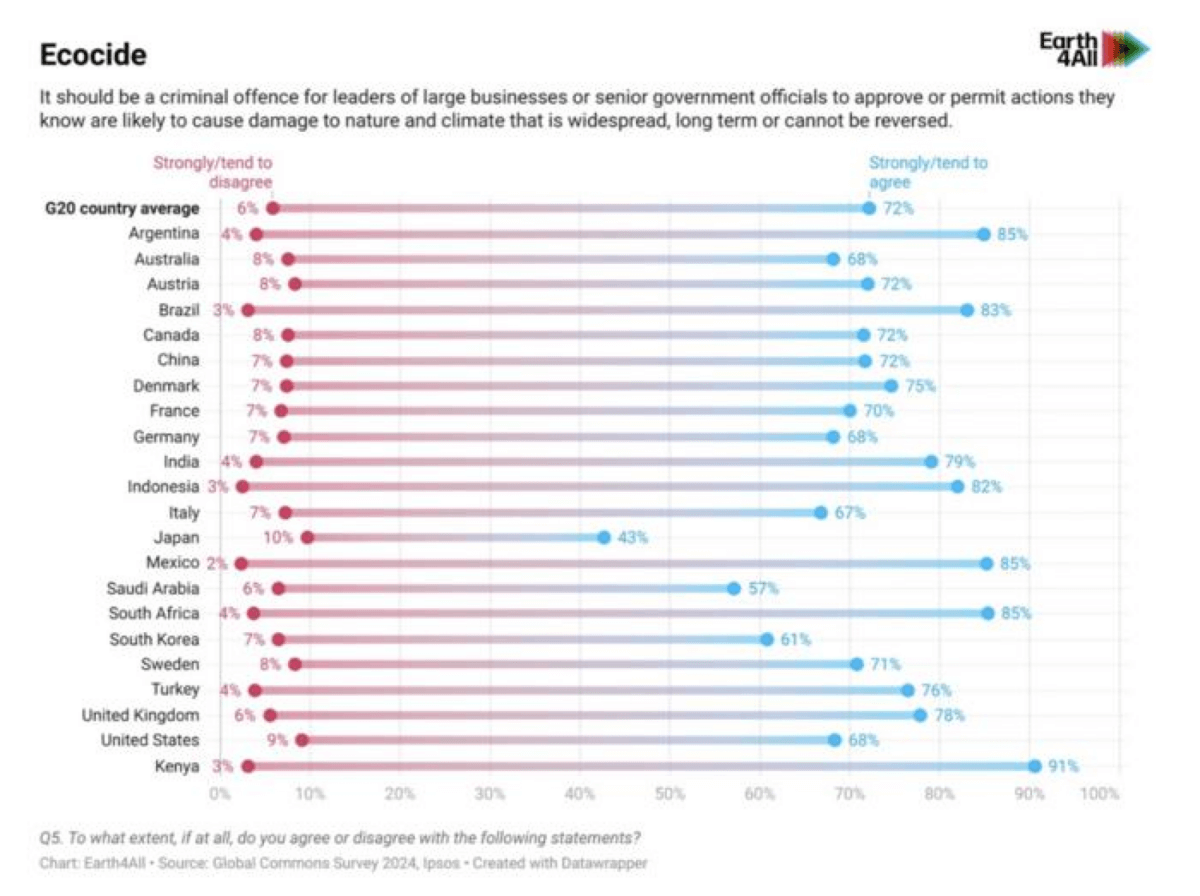
Imagine if damaging the environment was treated like a serious crime, right up there with theft or fraud. Well, that’s exactly what a whopping 72% of people across 18 major countries want to see happen. This eye-opening finding comes from the Global Commons Survey 2024, a massive research project that took the pulse of 22,000 people across some of the world’s biggest economies.
So, what does this actually mean? Researchers are talking about making it a criminal offense for government officials or corporate executives to give the green light to actions that seriously harm nature or the climate. Think of it as putting Mother Nature under legal protection.
“The majority support (72%) for criminalizing actions which allow serious damage to the climate surprised us,” admits Owen Gaffney, who helps lead an initiative called Earth4All, in a media release.
It’s a clear signal that people are fed up with environmental destruction and want to see real accountability.
Poll reveals a growing movement
This isn’t just pie-in-the-sky thinking. Some countries are already making moves in this direction. Belgium, for instance, recently made “ecocide” a federal crime. If you’re scratching your head wondering what ecocide means, think of it as a fancy term for severely damaging the environment. It’s like genocide, but for ecosystems instead of people.
Belgium isn’t alone. France and Chile have passed similar laws, while countries like Brazil, Italy, and the Netherlands are considering jumping on the bandwagon. It’s like a domino effect of environmental protection laws spreading across the globe.
The survey paints a picture of a world that’s both deeply concerned about the state of our planet and hopeful for change. Here are some key findings that might raise your eyebrows:
- Nearly 6 in 10 people (59%) are seriously worried about the current state of nature.
- An even bigger group – 69% – think we’re approaching some scary “tipping points” for climate and nature due to human activities. These tipping points are like environmental points of no return, where damage becomes irreversible.
- On the brighter side, 61% of people fall into groups that strongly support taking action to protect the environment.
“People everywhere are very worried about the state of our planet and they’re feeling the pain already,” says Jane Madgwick, who heads up the Global Commons Alliance.
However, Madgwick also sees a path forward, emphasizing the need for “bold leadership and a truly global effort” to tackle these challenges.
Women driving fears about climate
Interestingly, the survey found that women tend to be more concerned about environmental issues than men. They’re more worried about the state of nature today and for future generations. Women are also less likely to think that claims about environmental risks are exaggerated or that technology alone can solve our problems without lifestyle changes.
The survey also revealed some stark differences between developed and developing countries. People in countries like India, China, and Indonesia feel much more personally exposed to climate change compared to those living in Europe and the United States.
This makes sense when you think about it. Many developing countries are on the front lines of climate change, facing more frequent and severe natural disasters, rising sea levels, and extreme weather events. It’s no wonder they’re feeling the heat (literally and figuratively) more acutely.
What does all this mean for the future?
Jojo Mehta, who leads an organization called Stop Ecocide International, sees these survey results as a sign of growing momentum. She points out that we’re already seeing “significant policy shifts in favor of ecocide legislation” at various levels of government. Mehta believes this push is being driven by widespread demand from regular, everyday people.
“People clearly understand that the most severe forms of environmental destruction harm all of us,” Mehta explains.
The idea is that by making top decision-makers personally liable for environmental crimes, we can prevent damage before it happens. As we look to the future, it’s clear that the tide of public opinion is turning in many countries.
The question now is: will leaders and policymakers worldwide listen and take action?


