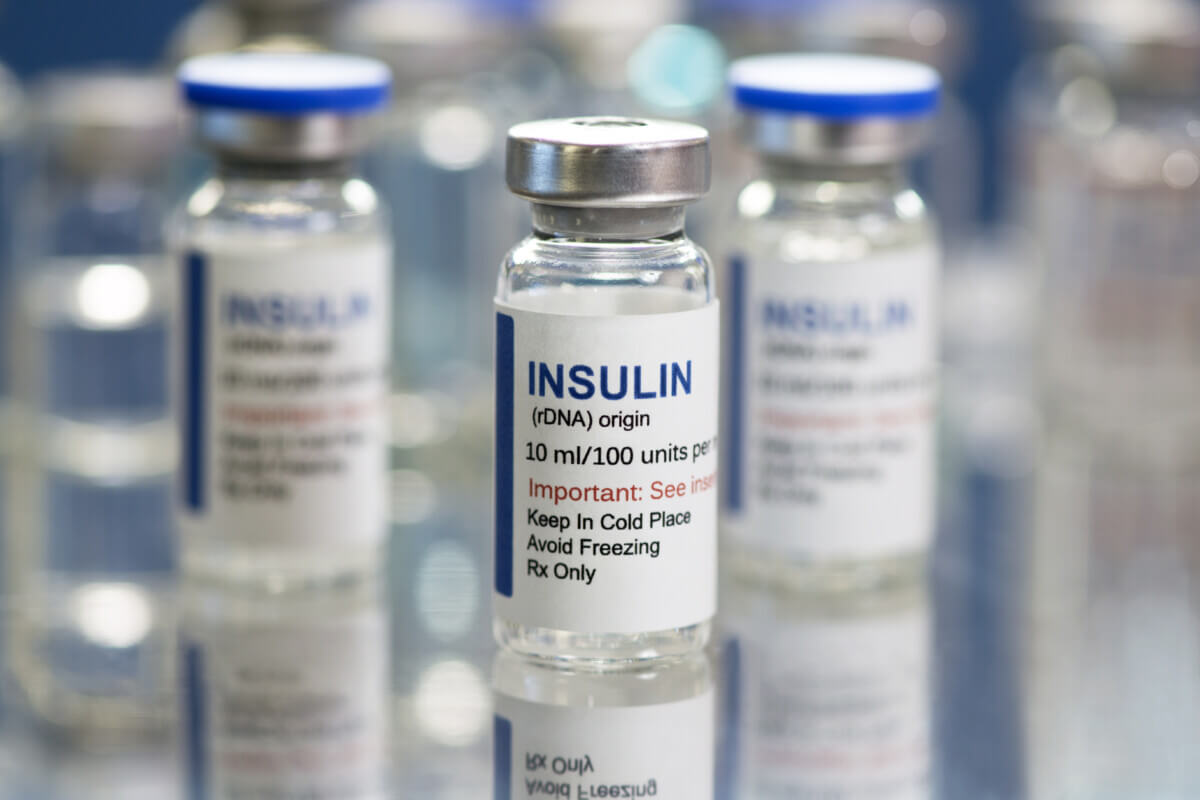
(© Sherry Young - stock.adobe.com)
????What To Know:
- Researchers are developing insulin that diabetes patients can take orally
- The medication does not break down in the digestive tract
- Scientists have created insulin-infused chocolates during tests with baboons
TROMSO, Norway — There could soon be a less painful — and tasty — way to treat diabetes. Scientists from the University of Tromsø (UiT) – The Arctic University of Norway have discovered a new form of insulin that patients can ingest orally, possibly even inside chocolate. This innovative approach offers an alternative to daily injections using needles or insulin pumps for the approximately 425 million people worldwide living with diabetes.
The key to this new method lies in tiny nano-carriers, each 1/10,000th the width of a human hair, which encapsulate the insulin. These carriers are too small to be seen with a regular microscope.
“This way of taking insulin is more precise because it delivers the insulin rapidly to the areas of the body that need it most,” says study researcher Peter McCourt, a professor at UiT Norway’s Arctic University, in a university release. “When you take insulin with a syringe, it is spread throughout the body where it can cause unwanted side effects.”
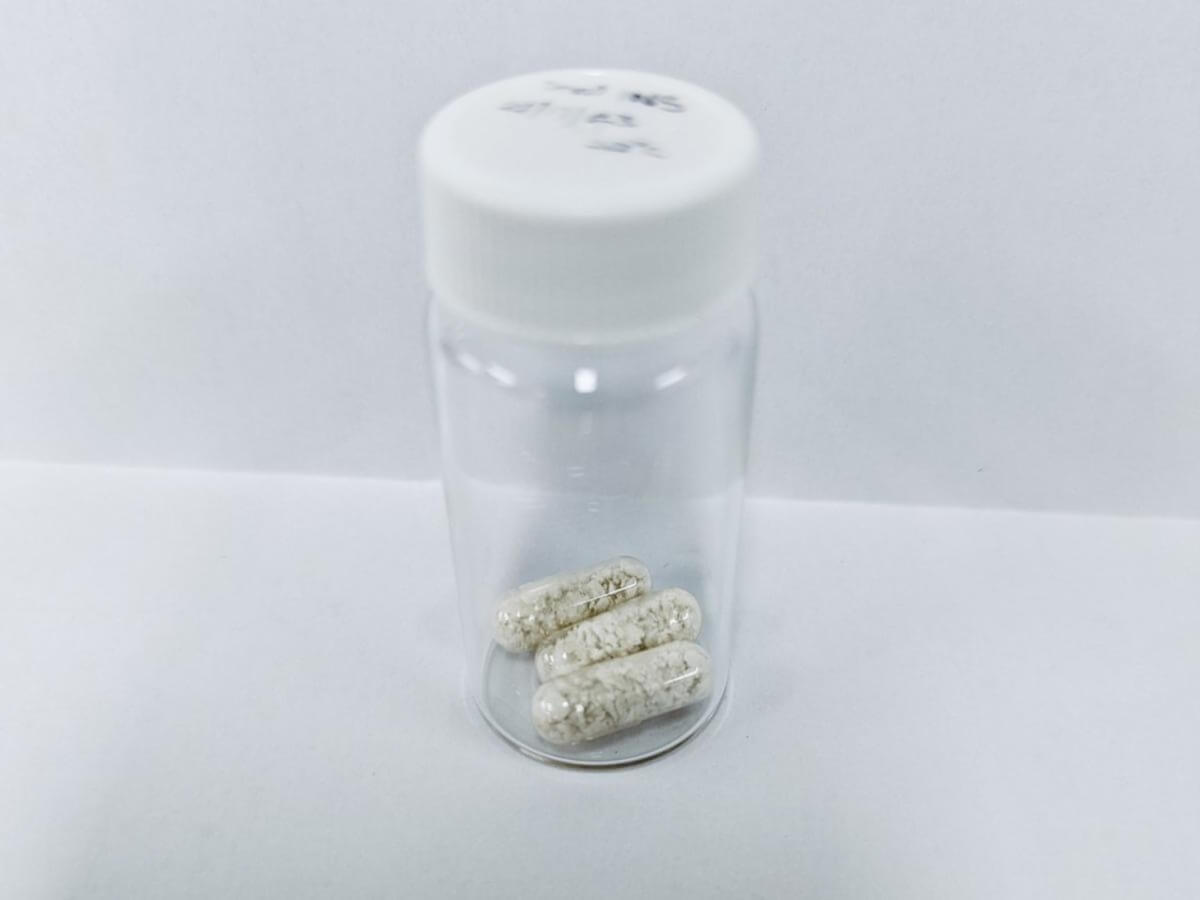
The research was a collaborative effort between the University of Sydney, Sydney Local Health District, and UiT. Scientists overcame a major hurdle in oral insulin delivery: the breakdown of insulin in the stomach before reaching its destination in the body. They developed a special coating to protect the insulin through the digestive system, ensuring its safe arrival in the liver.
In the liver, enzymes that activate only during high blood sugar levels break down the coating, releasing insulin where it’s needed.
“This means that when blood sugar is high, there is a rapid release of insulin, and even more importantly, when blood sugar is low, no insulin is released,” says project leader Nicholas J. Hunt, from the University of Sydney.
It avoids the risk of hypoglycemia (low blood sugar) common with injections, as the insulin release is controlled based on blood sugar levels. This novel approach mimics how insulin works in healthy individuals. Normally, insulin from the pancreas is absorbed largely by the liver, stabilizing blood sugar. The nano-carrier technology releases insulin in the liver, reducing side-effects like fat accumulation and hypoglycemia seen with injections.
The oral insulin has been successfully tested on nematodes, mice, rats, and baboons. In the National Baboon Colony in Australia, insulin was incorporated into sugar-free chocolate, which the baboons readily consumed, leading to a reduction in their blood sugar levels. Importantly, tests on diabetic mice and rats showed no hypoglycemia or weight gain, overcoming the limitations of existing diabetic treatments.

Human trials conducted by Endo Axiom Pty Ltd. are set to begin in 2025, focusing first on safety and the incidence of hypoglycemia in both healthy and Type 1 diabetic patients. These trials will adhere to strict quality standards and involve collaboration with physicians.
Researchers are hopeful that this new form of insulin could replace injections for diabetic patients in the next two to three years, following successful human trials. This innovation holds the promise of a more convenient, effective, and safer way to manage diabetes, potentially improving the lives of millions of people around the world.
The study is published in the journal Nature Nanotechnology.


