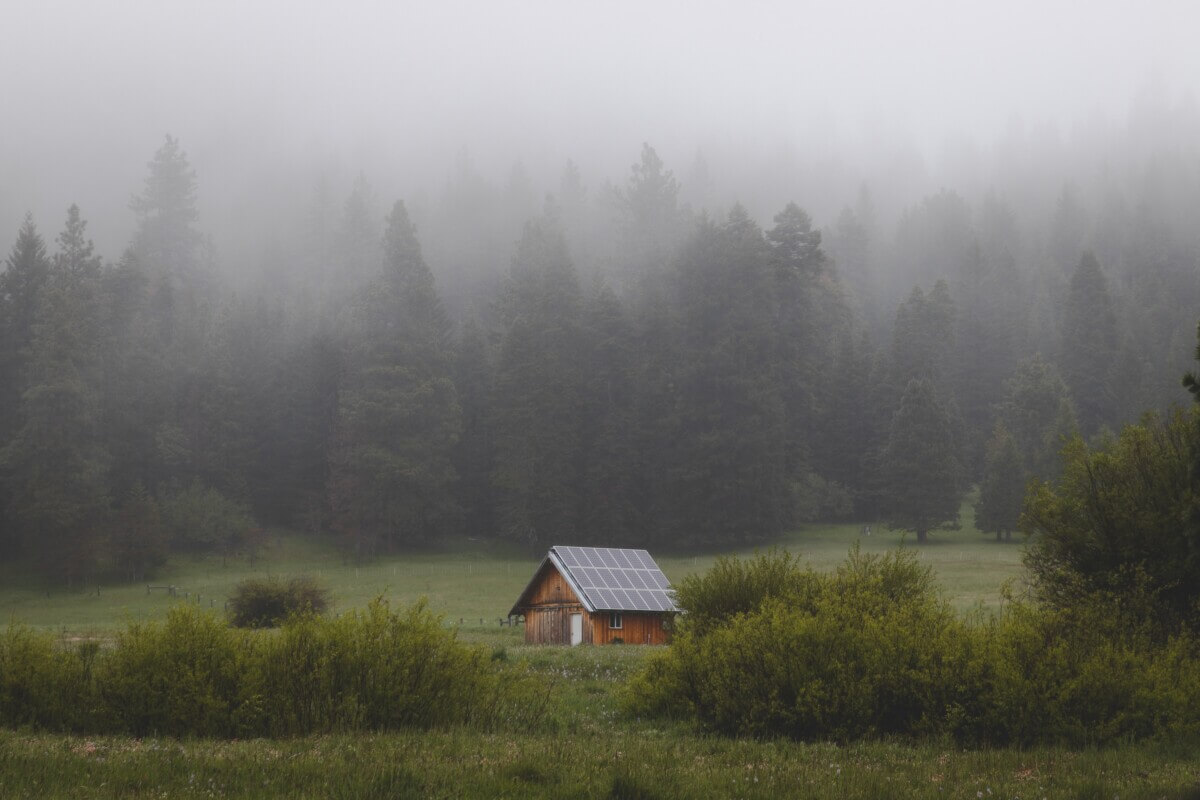
Off-grid house with solar panels in the wilderness (Photo by Alex Bierwagen on Unsplash)
In a world where urban living often dominates the narrative, the allure of off-grid living beckons with promises of self-sufficiency, sustainability, and a deeper connection to nature. Escaping the confines of traditional city life, off-grid communities and remote homesteads offer a glimpse into a lifestyle characterized by simplicity and independence. Whether living among the rugged terrain of the mountains, nestled within the tranquility of a forest, or perched along the shores of a secluded coastline, the best places to live off-grid invite adventurers and seekers of freedom to embrace a life where the horizon is limitless and the rhythms of nature guide the way.
Whether you want to live off-grid to protect your data security or to explore sustainable power options, here is a list of the top seven best places to live off-grid. Our list is based off of the consensus of 11 experts versed in the off-grid lifestyle. If your recommendation didn’t make the list, let us know in the comments below!
1. Tennessee
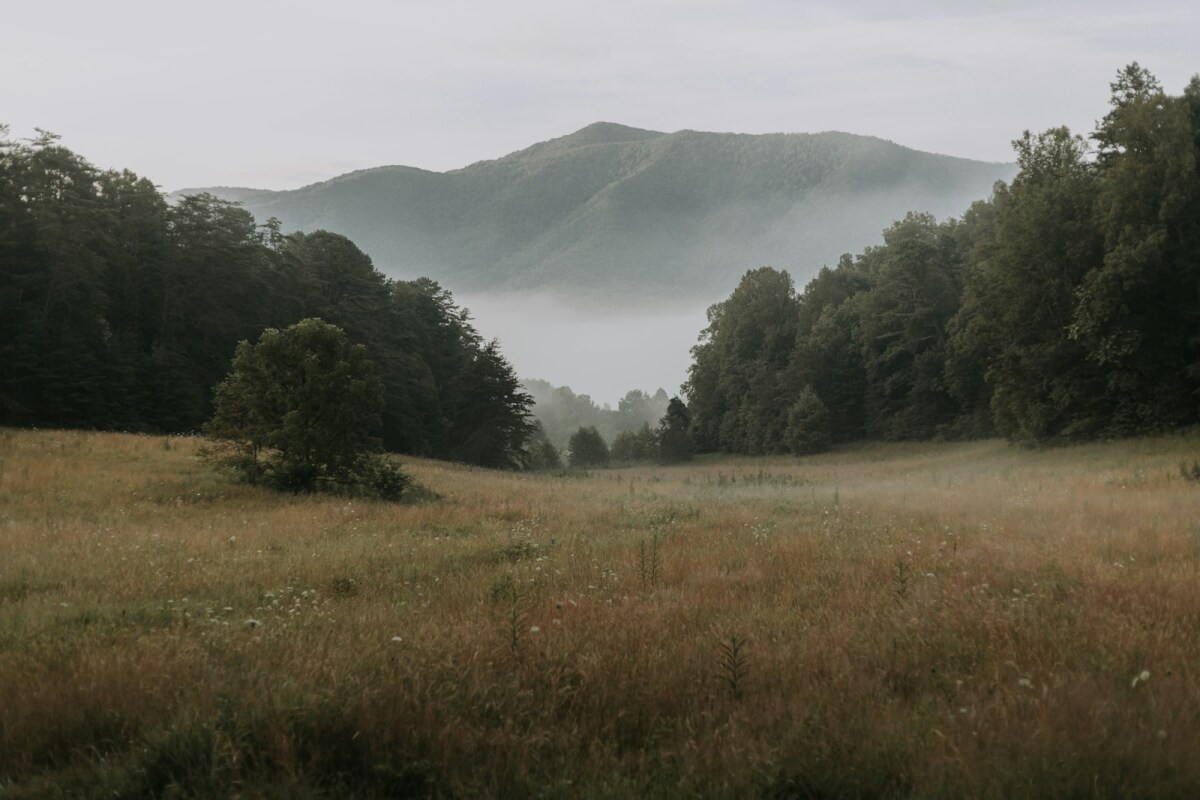
At the top of the list is Tennessee, known for its beautiful landscape and abundance of natural resources. It has a temperate climate where you can experience during all four seasons. Off Grid Permaculture explains how with an average rainfall of over 50 inches, homesteaders living off-grid have ample access to legally harvest rainwater.
“One unique aspect of living off the grid in Tennessee,” notes Zendure, “is the availability of homesteading opportunities on public land. This means that individuals can apply to live and work on government-owned land for a low cost or even for free.” Many have therefore chosen to call Tennessee home because it has allowed them to use larger portions of land than other areas of the country.
The fertile land found in this state provides a growing season of over eight months per year, which is great for those looking to grow their own food. There are no restrictions on rainwater collection. It also boasts a lower cost of living than many other states. Peter Heinzl agrees, stating, “Tennessee stands out as a budget-friendly haven for off-grid enthusiasts.”
2. Missouri
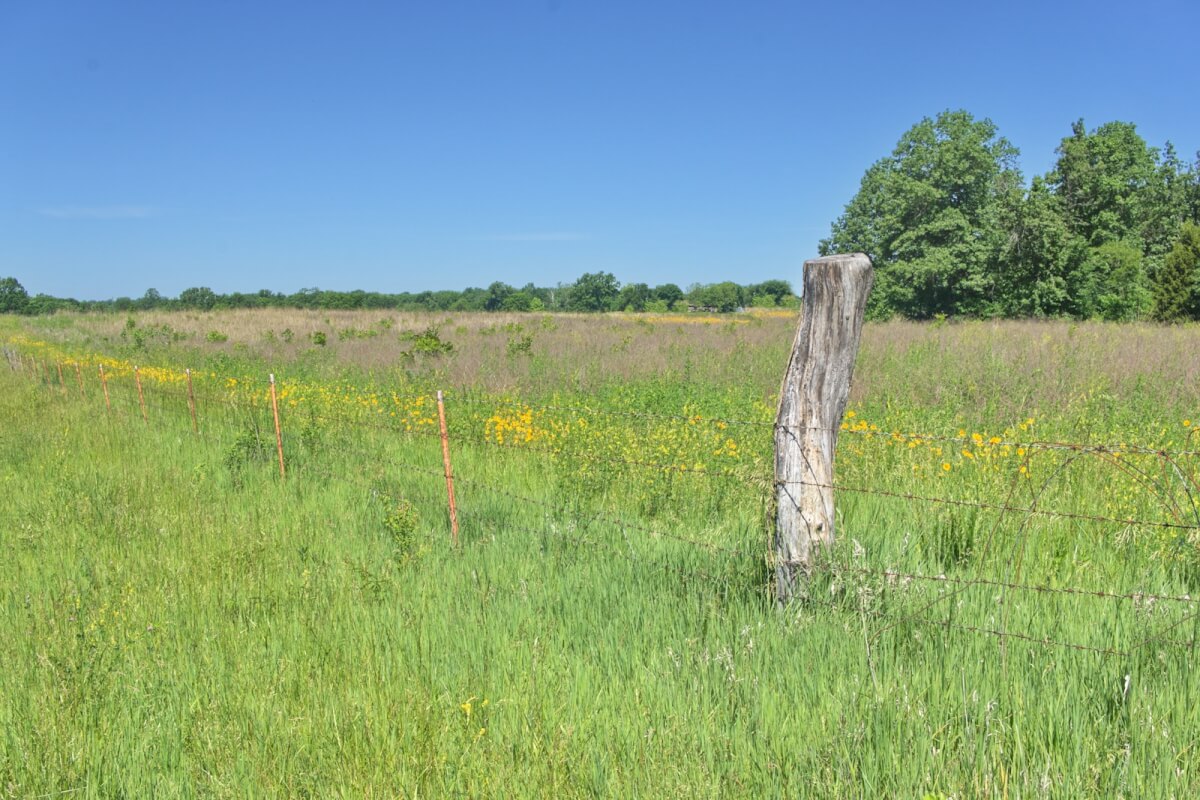
Long known for being an ideal place to homestead, Missouri is one state that actually encourages living off-grid. According to Survival Sullivan, there are even areas where no zoning or building codes exist. Even though the state wants to make sure your well and septic are safe, there is little intervention to how you live out in Missouri.
The Show-Me State offers wide open spaces and an abundance of natural resources. “Missouri has cheap land prices, making it a great option for those looking for an affordable place to settle,” notes Persurvive. There are also relaxed laws concerning homeschooling so you can educate your kids as you deem best.
Missouri boasts a temperate climate, ideal for growing crops. Invest Guiding points out that, “It’s also home to Dancing Rabbit Ecovillage [a sustainable living community], which can be a valuable resource for those looking to make their off-grid home in Missouri.”
3. Texas
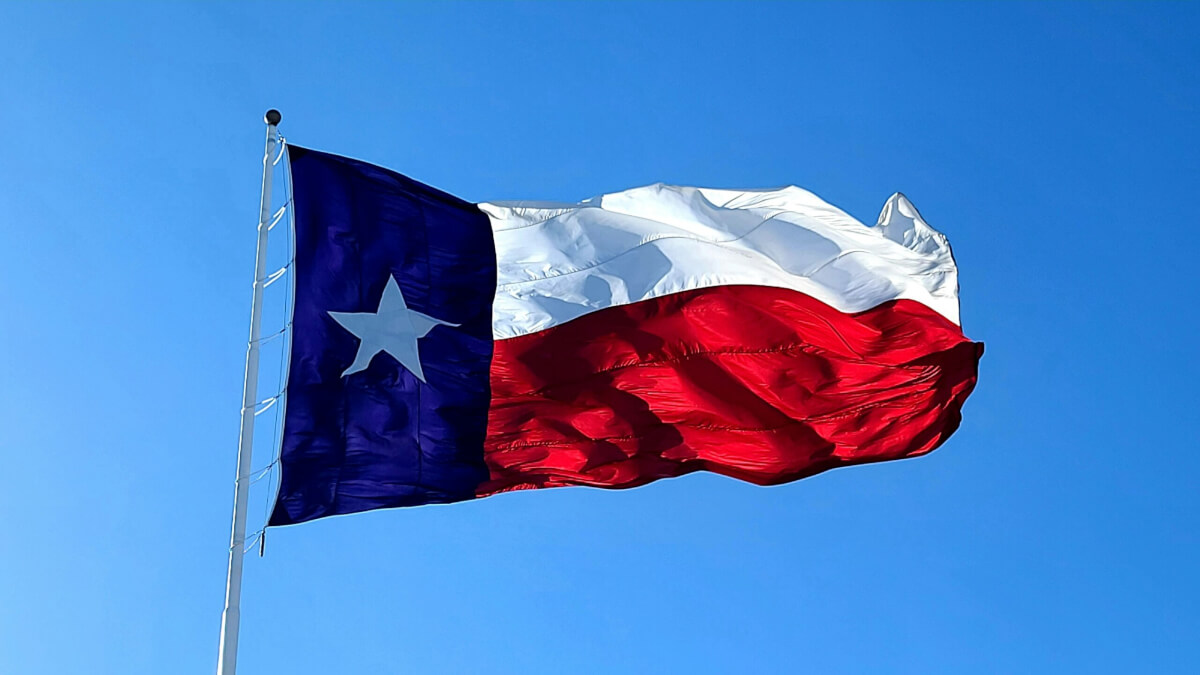
As the second largest state in the U.S., Texas offers plenty of land options with a variety of climates. Most areas have warm temperatures for much of the year. “Texas’ agricultural opportunities are vast thanks to its large size and variety of ecosystems,” explains Zero & Zen.
Renewable energy is strongly encouraged by the state of Texas, making it an ideal area for living off-grid. “The Renewable Energy Investment Tax Credit provides financial incentives for individuals who install solar panels or wind turbines on their property,” notes Zendure.
Texas is an ideal state for off-grid living. One reason is that the cost of living and the cost of property is relatively low, according to Off Grid Grandpa. Plus there are no state income taxes. All of these make it a prime location for those looking to save money.
4. Wyoming
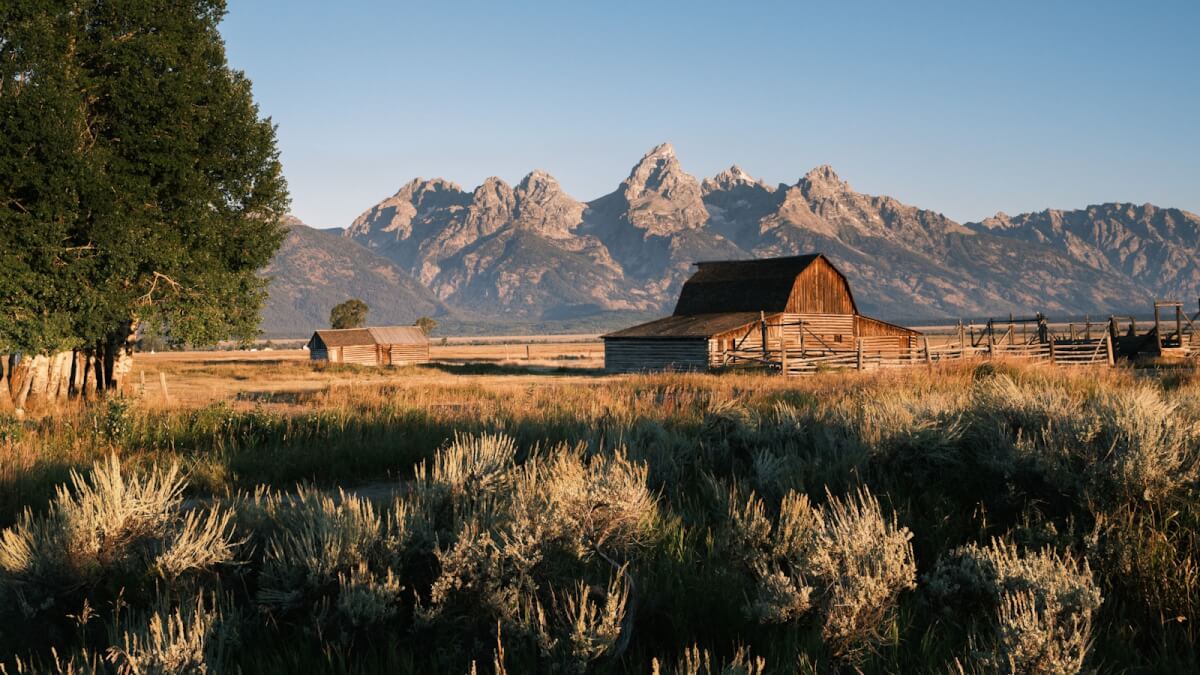
Being the least populated state in the U.S. makes Wyoming a great place to live for those desiring solitude. “Wyoming is known for its can-do and self-reliant attitude,” points out Primal Survivor. This is partly due to the remote nature of living there.
Wyoming is also popular for those who prefer a long winter and a short summer, as noted by Survival Sullivan. This can limit the variety of crops grown beyond staples. Therefore, growing your own food may take some creativity.
Invest Guiding mentions their relaxed regulations and abundance of spots with no zoning rules. This makes it a great place for mobile or tiny homes. Laws are supportive of solar and wind energy, even exempting solar equipment from sales tax and providing a rebate for the cost.
5. Montana
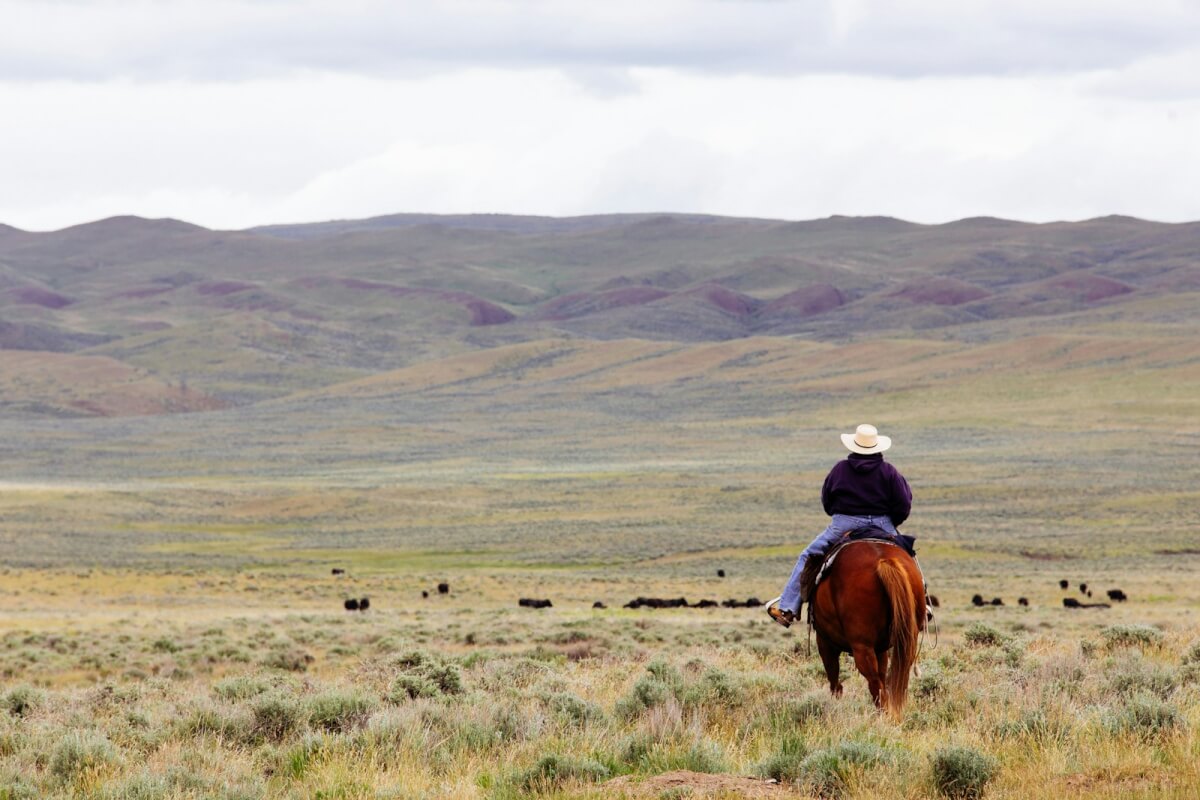
Having no state income tax and relatively low property taxes make Montana a financially wise place to call home. Peter Heinzl notes that the real estate market reflects this with many “land options that won’t burn a hole in your pocket.”
Montana is known for its breathtaking scenery and open skies. It offers plenty of options for outdoor enthusiasts. Among the many activities to enjoy are fishing, hiking, hunting, and camping, adds Persurvive. With its long winter and average of over 100 inches of snowfall, skiing is another popular activity to enjoy in Montana.
Wondering about renewable energy? Montana offers the options of solar, wind, and hydroelectric energy. This allows you to “enjoy off-grid life with self-power production,” notes Emoffgrid.
6. Oregon
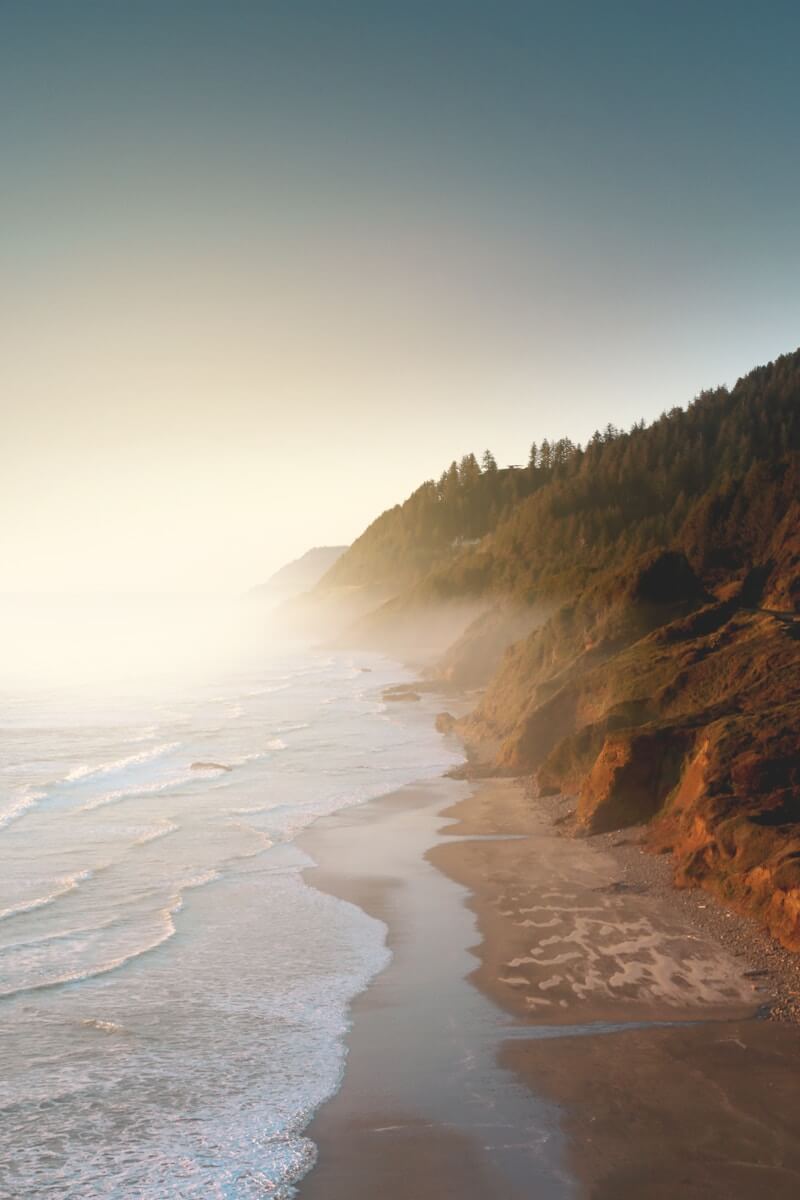
This state offers a variety of locations for living off-grid ranging from along the coast to further inland with its more populated areas. “Oregon has a thriving homesteading culture and over 30,000 small farms in the state. You’ll find lots of local support for off-grid living, such as workshops, grant programs and farmer’s markets for selling homemade goods,” says Primal Survivor.
As long as you don’t mind the frequent rain, this beautiful state could be the ideal place to call your new home. Oregon boasts a growing season of over 200 days. Living off the land won’t be a problem here when it comes to growing your own food (Ecoflow).
There are plenty of inexpensive land options, too. It also does not have a general sales tax. Invest Guiding also notes, “the state values renewable energy and offers incentives for setting up off-grid solutions.”
7. Maine
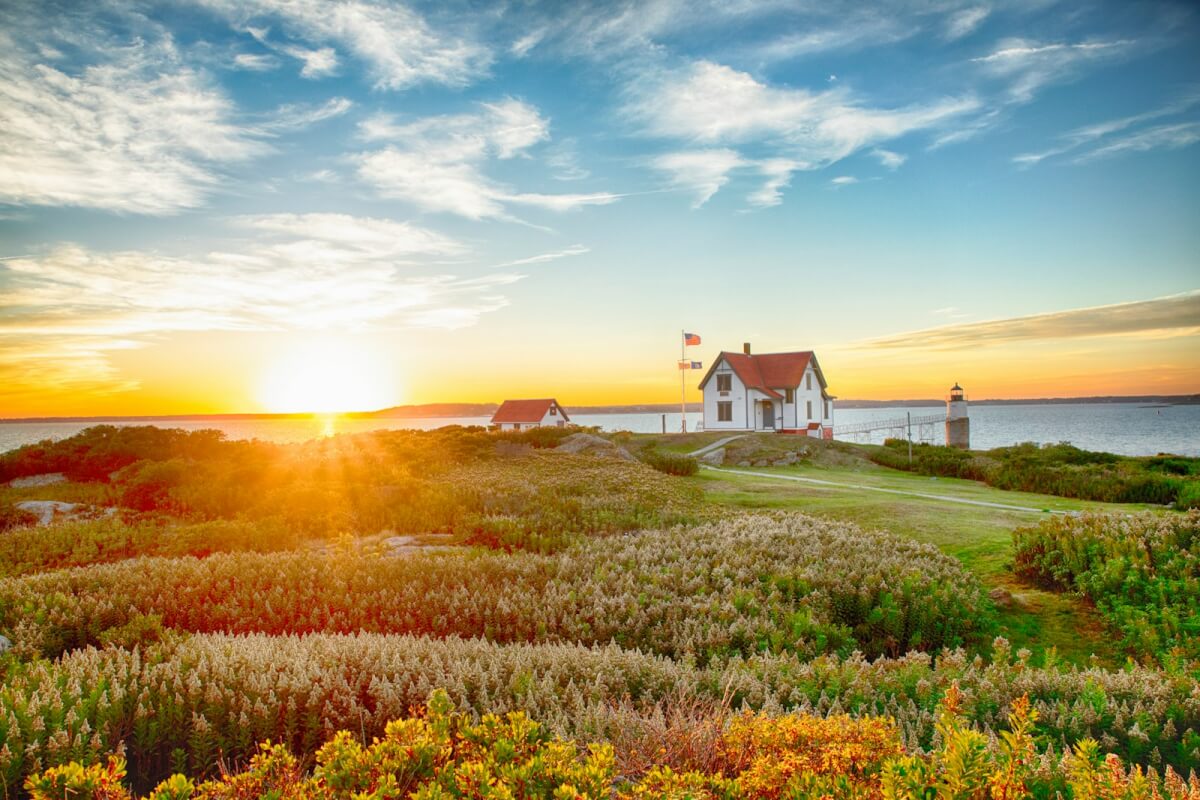
The New England state of Maine is known for its stunning coastlines, streams, and rivers. These provide a variety of seafood options to choose from wherever you settle down. Zero & Zen notes, “Maine offers vast forests, a low population density, and access to freshwater sources.”
Looking to use renewable energy to lower your costs and environmental impact? Off Grid Grandpa reports that Maine also offers several incentives and rebates, making it even more affordable to set up shop there. Solar, wind, and hydropower are all available in Maine.
Winters are long and cold in Maine. Therefore the growing season is short. Primal Survivor notes that greenhouse and aquaculture are popular agricultural options. So if you’re looking for a New England alternative to the other states listed as the top seven best states for living off-grid, Maine might be the place for you.
Your Off-Grid Living Checklist
When deciding to make your home off-grid, there are many things to consider:
- Essential resources like water, energy, and food
- Financial considerations of initial costs, ongoing expenses, and continued income
- Legal aspects of zoning, permits, property taxes, and waste management
- Skills and knowledge of maintenance and repair, food production, and emergency care
- Lifestyle changes which may result in limited convenience, connectivity, and social interaction
- Location characteristics such as climate and natural disasters
Sources used to create our list:
- Zendure
- Peter Heinzl
- Off Grid Permaculture
- Persurvive
- Invest Guiding
- Ecoflow
- Survival Sullivan
- Primal Survivor
- Emoffgrid
- Zero & Zen
- Off Grid Grandpa
Note: This article was not paid for nor sponsored. StudyFinds is not connected to nor partnered with any of the brands mentioned and receives no compensation for its recommendations. This article may contain affiliate links in which we receive a commission if you make a purchase.


