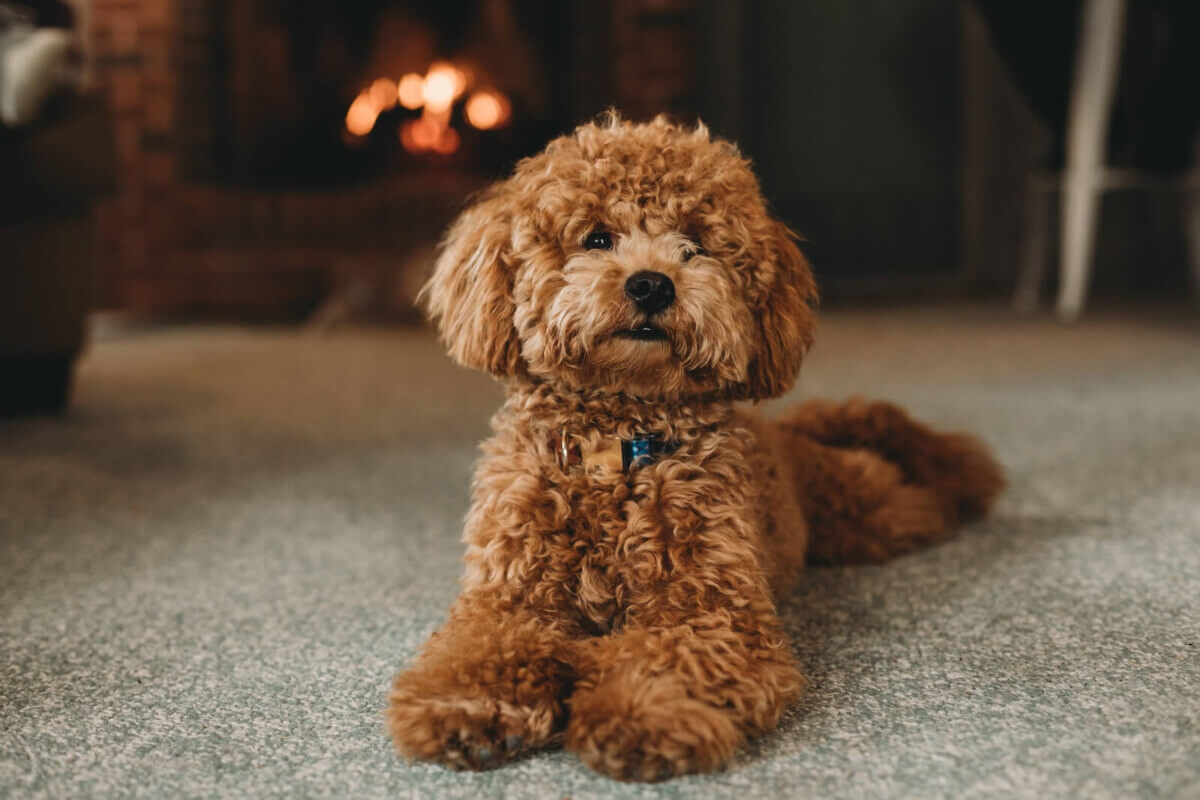
A toy poodle by a fire (Photo by Steven Van Elk on Unsplash)
For dog lovers with allergies, the dream of canine companionship need not remain out of reach. While no dog is truly 100 percent hypoallergenic, certain breeds are known to produce fewer allergens, making them more suitable for individuals with sensitivities. These so-called hypoallergenic breeds typically shed less and produce lower levels of dander and saliva proteins that can trigger allergic reactions. From the elegant Poodle to the playful Bichon Frise, a variety of breeds offer the joy of dog ownership with a reduced risk of allergy flare-ups. This article explores the best hypoallergenic dog breeds, helping potential owners find their perfect low-allergen companion. If you’ve got your own suggestions, please leave them in the comments below! Please note that before looking into owning one of these breeds, consult with your doctor if it will be safe for your health.
StudyFinds is a research-driven platform that analyzes and synthesizes expert recommendations from trusted sources. Rather than writing reviews ourselves, we meticulously compile consensus findings from leading industry experts and established publications to save consumers valuable research time. Each article represents hours of analysis across multiple authoritative sources to identify the most consistently recommended choices.
Top 5 Hypoallergenic Dog Breeds, According to Experts
1. Poodle
This breed is known for its hypoallergenic coat, which produces less dander. “Poodles are hypoallergenic dogs. In fact, all three size variations of Poodles, including the standard, miniature and toy, are hypoallergenic. Thanks to their unique low-shedding coats, less allergens will be released into the air when a Poodle sheds. As a result, allergic reactions are way less likely to be triggered in humans,” mentions The Smart Canine.

“The poodle is certainly a one-of-a-kind dog breed,” says Native Pet. “The answer is technically yes, poodles do shed. Every dog does to some extent. (And even hairless breeds give off dander.) However, because of the nature of their coat, the poodle sheds far less than other breeds. That makes them a great choice for allergy sufferers.”
Past their hypoallergenic qualities, “Poodles are good family dogs — fun, energetic, smart and easy to train. They do best with plenty of exercise for both mind and body and prefer to be with people most of the time. They are not good kennel dogs. Socialization should begin early and include other people, other pets and the grooming routine,” says Hill’s Pet Nutrition.
2. Bichon Frise
These small and playful dogs have coats that are low-shedding and hypoallergenic, making them an excellent choice for allergy sufferers. American Kennel Club breaks it down like this: “The small but sturdy and resilient Bichon Frise stands among the world’s great ‘personality dogs.’ Since antiquity, these irresistible canine comedians have relied on charm, beauty, and intelligence to weather history’s ups and downs. A good-size Bichon will stand a shade under a foot tall at the shoulder. The breed’s glory is a white hypoallergenic coat, plush and velvety to the touch, featuring rounded head hair that sets off the large, dark eyes and black leathers of the nose and lips.”

“Although the Bichon Frise is said to have a non-shedding coat, all dogs shed to some degree — but this breed appears to shed less than many others. However, that doesn’t mean he’s a ‘non- or hypoallergenic breed.’ It’s a dog’s dander — flakes of skin — that triggers allergic reactions in humans, not the coat,” says Vet Street.
They are a dog for everyone. “Intelligent, affectionate, and incredibly cute, the bichon frise could easily be mistaken for a child’s toy. This happy-go-lucky breed originated in the Mediterranean islands, which could be why they’re so easygoing and fun-loving. Bichons are the perfect companion for families, elderly couples, and everyone in between,” adds Daily Paws.
3. Portuguese Water Dog
This breed has a waterproof and non-shedding coat that is hypoallergenic, making it a great option for people with allergies. “If you’re thinking about getting a Portuguese Water Dog, the good news is this pup is a great match for households with children. Plus, since this dog sports a hypoallergenic coat, they’re an especially good fit for owners suffering from allergies,” says Neater Pets.
An active dog that you can go on adventures with, “The Portuguese water dog is a medium-sized working breed from Portugal with floppy ears, facial hair, and wavy or curly hypoallergenic fur. Since these dogs don’t shed significantly, they’re a preferred breed among people with mild to moderate allergies. Portuguese water dogs are also a high-energy breed, so they’re best suited for active owners seeking a companion for outdoor activities,” writes The Spruce Pets.
For more on their coats, Orvis writes: “The Portuguese Water Dog has a thick coat with no undercoat. The hair may be curly or wavy and comes in black with or without white markings, brown, and occasionally white. As the PWD has hair rather than fur, it will continue to grow if left unclipped. Because it is a low-shedding breed that produces less dander, the Portuguese Water Dog is considered a hypoallergenic dog and may trigger fewer allergic reactions.”
4. Maltese
These cute and affectionate dogs have a long, silky coat that is hypoallergenic. “The single coat of hair means that any allergies that you may have with dogs may be less severe; however, do keep in mind that there is no such thing as a 100% hypo-allergenic dog. This is because many people are allergic to the proteins found in a dog’s saliva, and this is present whether you are talking about a Maltese or a Chow-Chow,” claims Pet Maltese.

For more about their coats, My Family Vet says, “The Maltese is famed for its silky white coat that reaches all the way to the floor. Often, owners decide to have their coats clipped to make them easier to manage. You might expect them to be serial shedders, but the Maltese has a different undercoat to most dogs, meaning that they shed less than average.”
Other than their coat, Hill’s Pet Nutrition adds, “The Maltese is gentle, affectionate, intelligent, responsive and trusting. A good family dog, Maltese are lively, playful, vigorous, and they generally enjoy learning tricks. They can be snappy with raucous children. The petite build of the Maltese belies its fearless presence.”
5. Basenji
This breed has a short and fine coat that produces less dander, making it a hypoallergenic option for those with allergies. Petsmont explains some background behind the breed: “They are an ancient breed after all. The presence of this breed has been noted in Africa and Egypt. They were used as hunting dogs for the tribe in these early civilizations. It wasn’t until the 1940’s that the Basenji made its way to the United States. That was when the first one was brought to America from Egypt, as a ‘gift from the pharaohs of the Nile’.”

“The Basenji is a great dog for living in the city as long as the dog gets enough exercise. The breed is very versatile and can adjust to living in an apartment or in a house. This African dog breed has a very short and hypoallergenic coat,” states Dog Breeds 911.
American Kennel Club talks about their looks. “Basenjis are small, graceful hounds standing 16 or 17 inches at the shoulder. They are recognizable by their glistening short coat, tightly curled tail, and wrinkled forehead and expressive almond-shaped eyes that convey a variety of subtle, humanlike emotions. Basenjis are a lovely sight at a standstill but more impressive yet at a fast trot, when they exhibit the long, smooth strides of a mini-racehorse,” they write.
Sources:
Note: This article was not paid for nor sponsored. StudyFinds is not connected to nor partnered with any of the brands mentioned and receives no compensation for its recommendations. This article may contain affiliate links in which we receive a commission if you make a purchase.


