
Harrison Ford returns in Disney's "Indiana Jones: Dial of Destiny" (Photo credit: ©Disney)
DAVIS, Calif. — Another summer blockbuster season is here, and every major movie studio is hoping they’ll have the hottest film of the year. Unfortunately, not everyone can be a winner — especially when negative early reviews influence movie goers. Even the much-anticipated “Indiana Jones and the Dial of Destiny” faces an uphill battle thanks to multiple unflattering reviews online. Movie reviews posted by professional critics are usually a fairly accurate predictor of how a movie will fare at the box office, but researchers from the University of California-Davis are surprisingly turning that notion on its head. Their study actually found the exact opposite; bad reviews often predict hits while positive reviews signal a film will flop.
Earlier studies covering this topic have produced varying results. Some have found good reviews bode well for a film’s box office performance, while others have found negative reviews correlate to box office revenues, and the effect of negative reviews diminishes as time goes on. For this latest project, study authors analyzed both pre-release commentary and opening weekend box office revenues to reach their conclusions. All in all, they believe their work may change how many perceive popular pre-release reviews.
“We contend that it’s essential to differentiate among movie critics, arguing that the influence of reviews on box office performance isn’t uniform across all critics,” says the study’s lead author, Pantelis Loupos, assistant professor of marketing and business analysis for the Graduate School of Management, in a university release. “In our analysis, we demonstrate that not all positive or negative reviews necessarily signal a movie’s success or failure, respectively.”
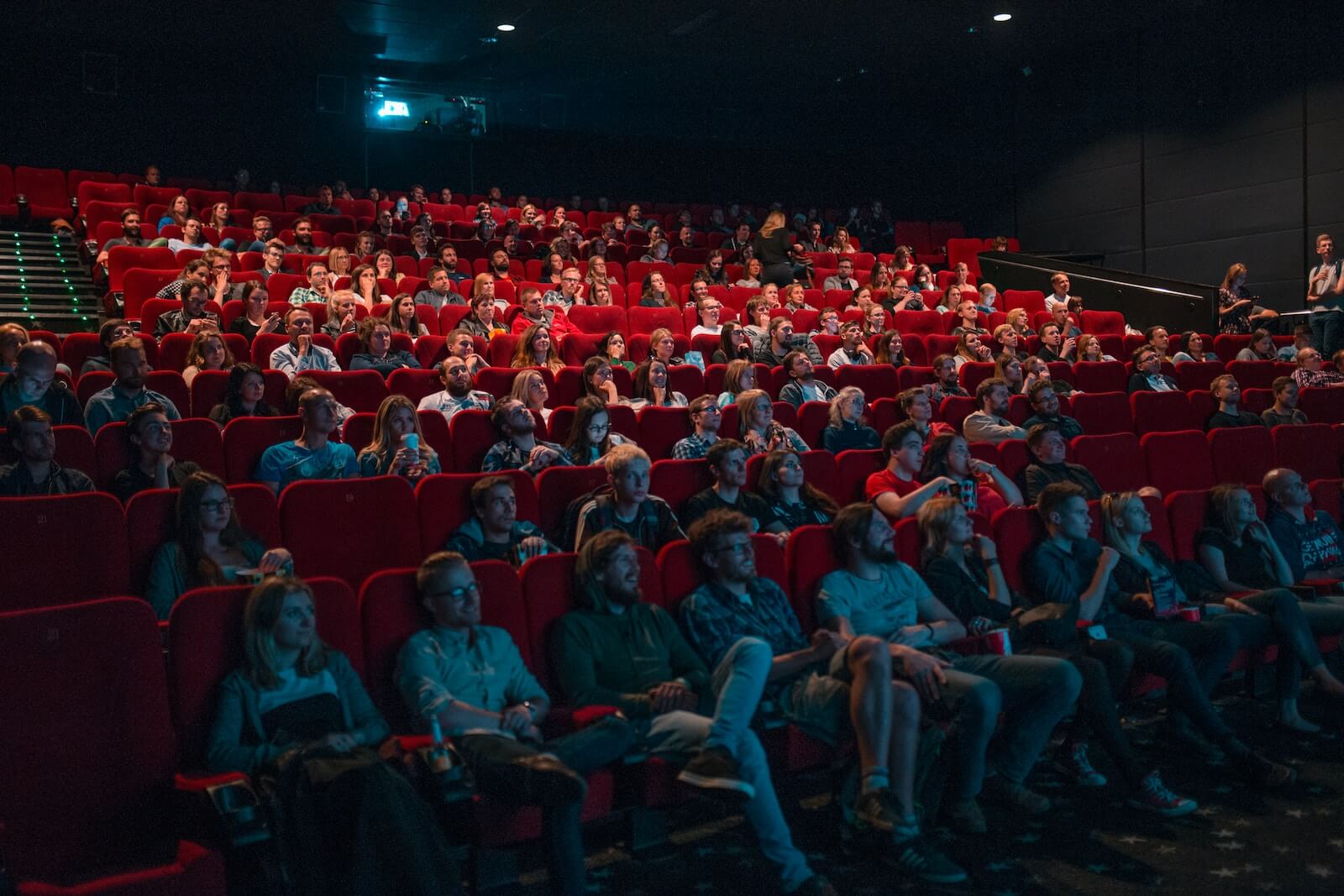
Researchers analyzed numerous pre-release movie reviews written by film critics on Rotten Tomatoes. More specifically, they focused on discovering if they could successfully predict a movie’s success based on those reviews. Sure enough, a pattern began to emerge.
“Interestingly, when these critics penned positive pre-release reviews, they signaled that the movie would be a flop,” Prof. Loupos explains. “Conversely, their negative reviews hinted towards the film being a success. The stronger the sentiment in either direction, the stronger the predictive signal.”
For example, films such as “Baywatch” and “Tomb Raider” received positive pre-release reviews yet performed very poorly at the box office during their opening weekends. Notably, this pattern even held up among top critics. According to Prof. Loupos, these findings suggest expertise does not always lead to accurate predictions.
“This surprising outcome challenges the prevailing belief that positive reviews equate to better box office revenues,” he adds.
In an effort to better understand this paradox, researchers used text analytics to dive into the writing style of these so-called harbingers of box office failure, gaining further insight into their personality traits and cognitive biases. This led to the discovery that harbinger critics lean toward a formal and analytical writing style, using fewer self-reference pronouns.
“Our fresh perspective on the role of critics’ personalities opens up new avenues in our understanding of the film review space,” Prof. Loupos concludes. “It’s an important acknowledgment that the movie industry is a puzzle of complexity and unpredictability.”
The study is published in the journal Marketing Letters.


