
(© picsfive - stock.adobe.com)
COLD SPRING HARBOR, N.Y. — Aging is a natural process that we all go through, but what if we could slow it down or even reverse some of its effects? A groundbreaking study might be paving the way to do just that. Researchers in New York have developed a new therapy using specialized immune cells, known as CAR T-cells, to target and eliminate old, worn-out cells in the body that contribute to age-related decline. This exciting development could lead to significant advancements in treating age-related diseases and improving the quality of life as we age.
As we get older, our bodies accumulate senescent cells. These cells have stopped dividing and secrete harmful substances that can cause inflammation and damage surrounding tissues. They’re like the bad neighbors of the cellular world, causing trouble in the neighborhood (our bodies). Over time, this can lead to various age-related diseases, from diabetes to decreased physical fitness.
Enter CAR T-cells, a type of therapy initially developed for cancer treatment. These cells are engineered to seek out and destroy specific targets. In this case, the target is a protein called uPAR, found on the surface of senescent cells. By targeting uPAR, these CAR T-cells can effectively locate and eliminate senescent cells.
One of the most remarkable aspects of this therapy is its long-term effectiveness. Traditional treatments often require continuous administration, but in this case, a single dose of CAR T-cells continues to work over time. This is a significant advantage, as it could potentially reduce the cost and inconvenience of frequent treatments.
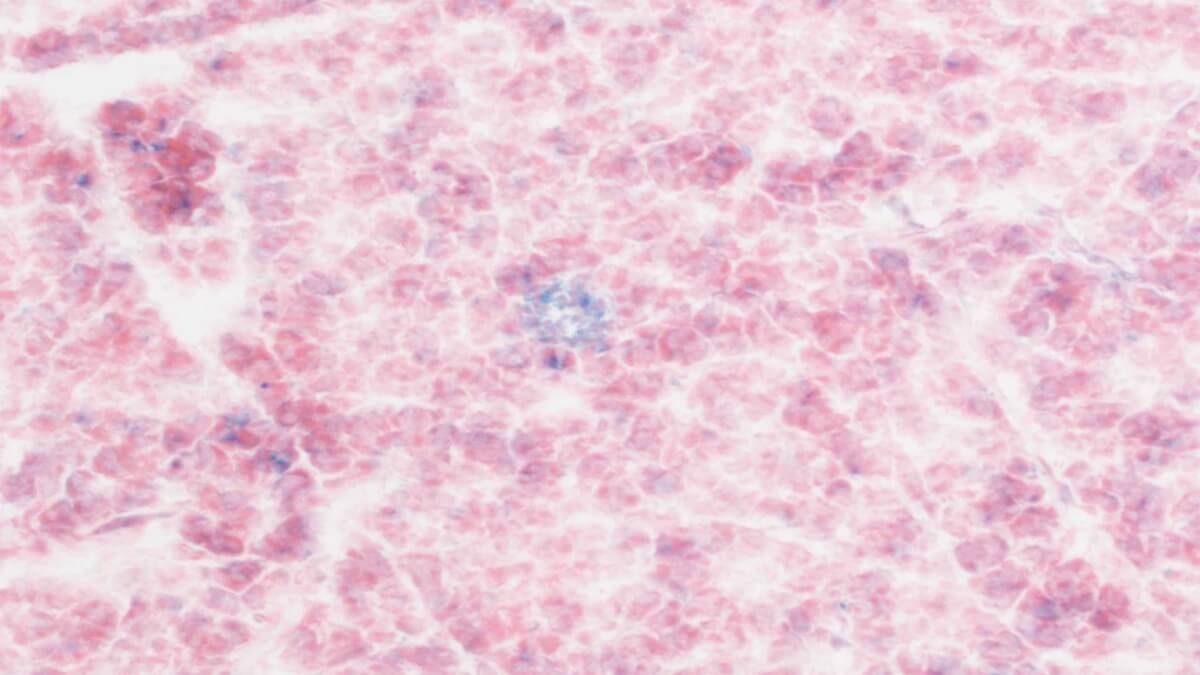
While it’s tempting to think of this therapy as just a way to extend lifespan, its implications go much deeper. By eliminating senescent cells, the therapy has the potential to improve metabolic function, like better glucose tolerance and increased exercise capacity. This means we’re not just talking about living longer but living healthier and more active lives in our later years.
In studies with mice, this therapy showed significant promise. Treated mice exhibited improved physical and metabolic health without any noticeable side-effects. This is crucial, as it suggests the therapy can be both effective and safe.
“If we give it to aged mice, they rejuvenate. If we give it to young mice, they age slower. No other therapy right now can do this,” says Cold Spring Harbor Laboratory (CSHL) Assistant Professor Corina Amor Vegas in a media release.
The potential of this therapy is immense. Imagine a future where a single treatment could help mitigate the effects of aging, leading to a healthier, more vibrant older population. It could revolutionize how we think about aging and the treatment of age-related diseases.
“T cells have the ability to develop memory and persist in your body for really long periods, which is very different from a chemical drug. With CAR T cells, you have the potential of getting this one treatment, and then that’s it. For chronic pathologies, that’s a huge advantage. Think about patients who need treatment multiple times per day versus you get an infusion, and then you’re good to go for multiple years,” Amor Vegas concludes.
While the results are promising, more research is necessary before this therapy can be available for humans. However, the path is clear: targeting senescent cells could be a key to unlocking healthier, more active aging. This research isn’t just about adding years to life; it’s about adding life to those years.
The findings are published in the journal Nature Aging.


